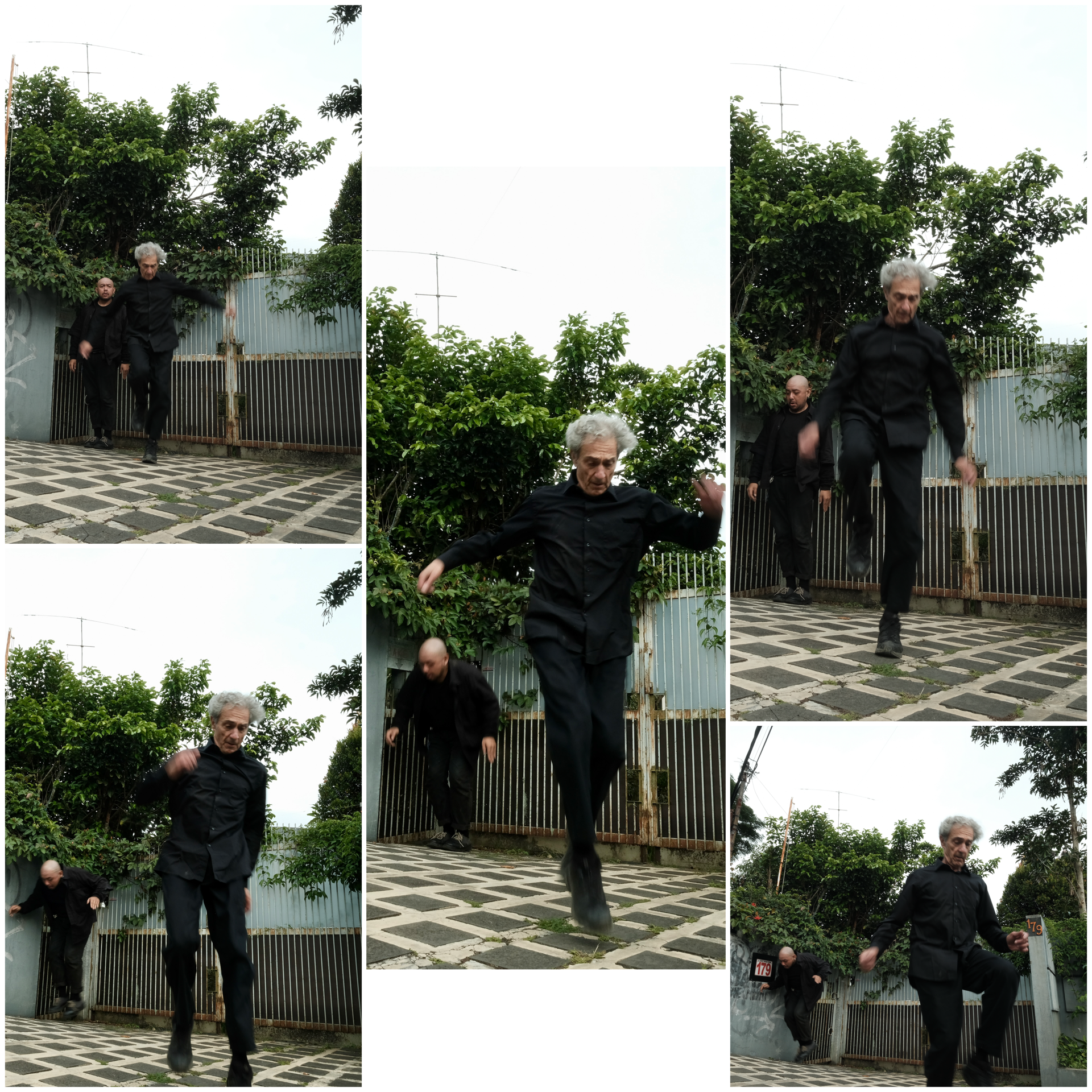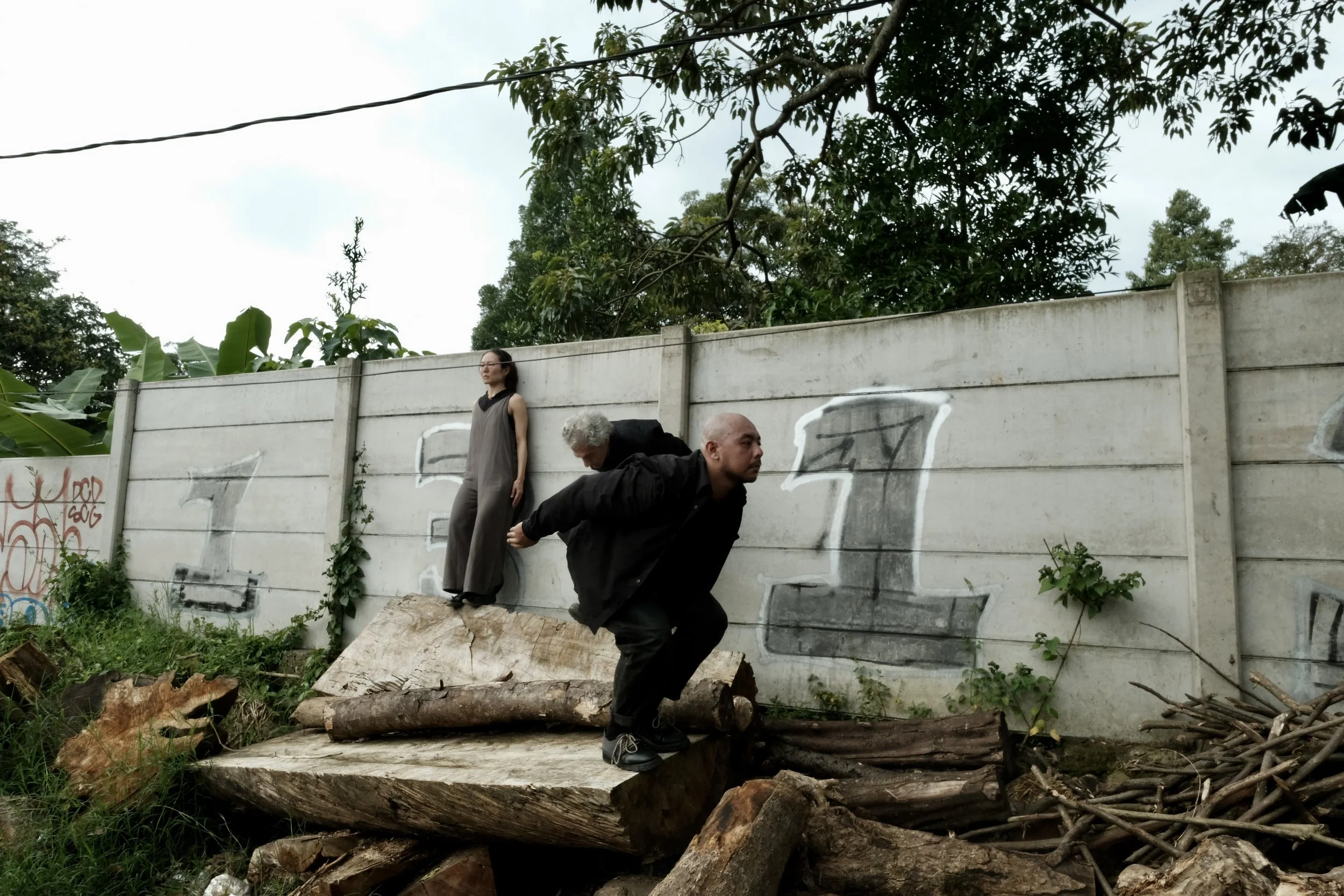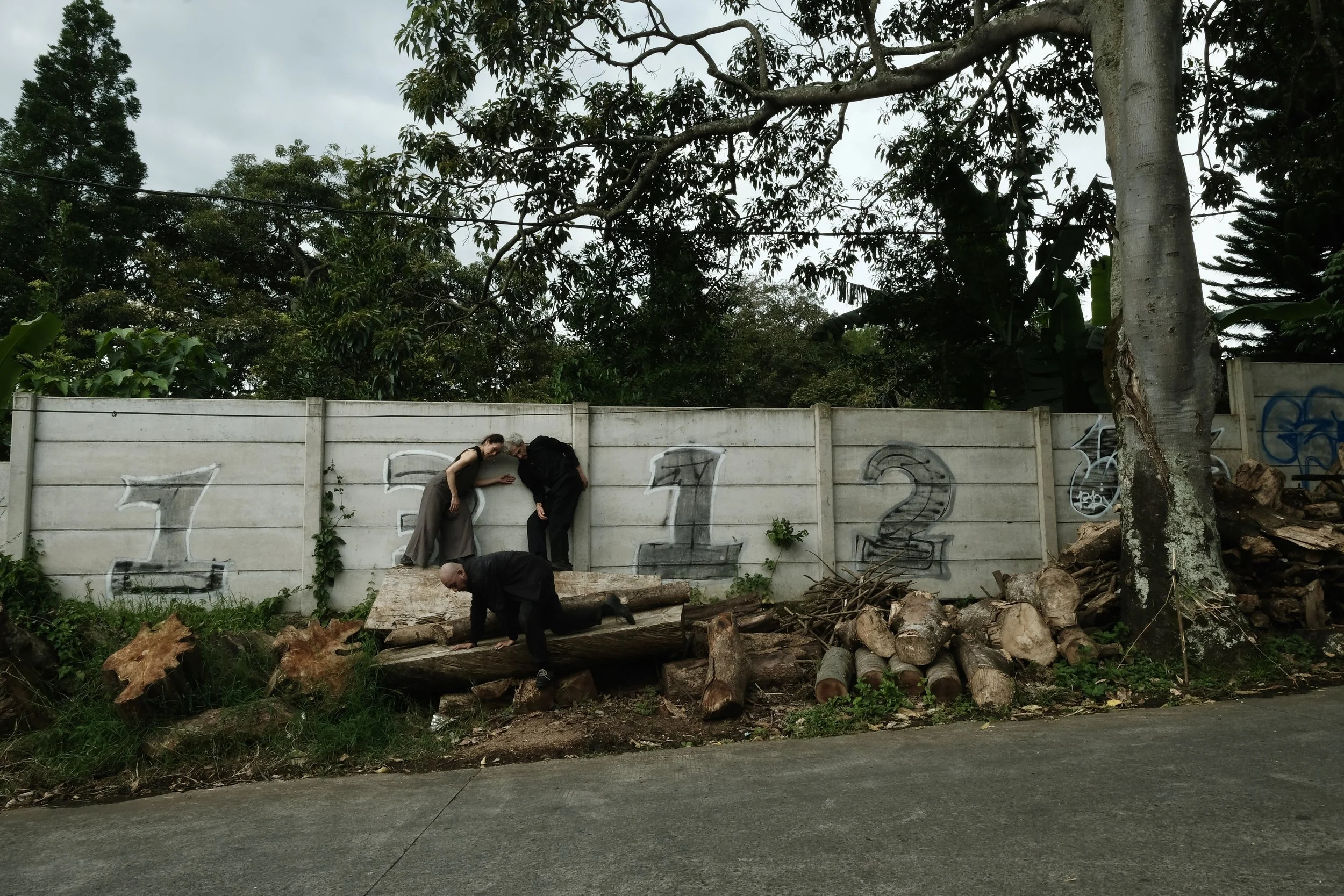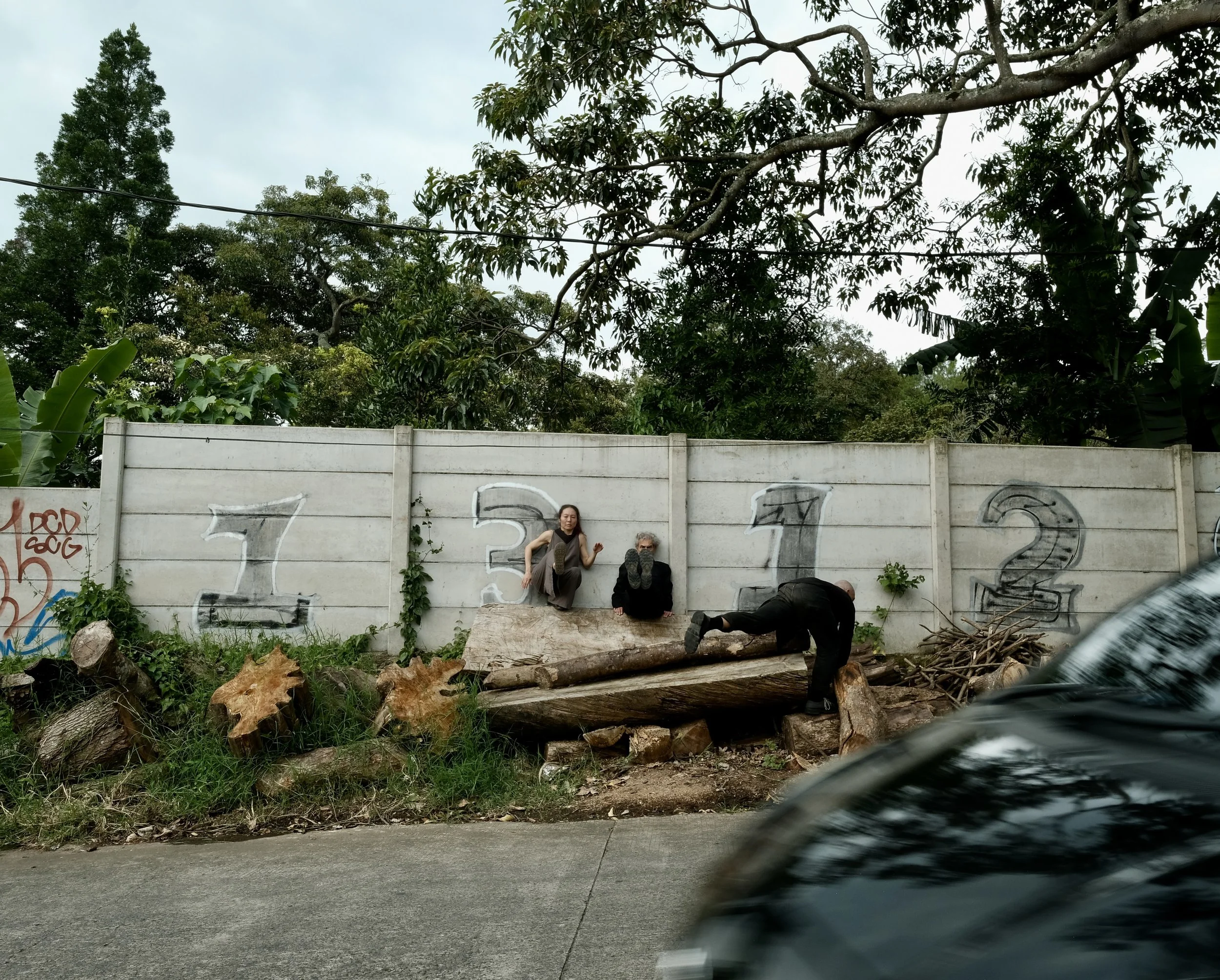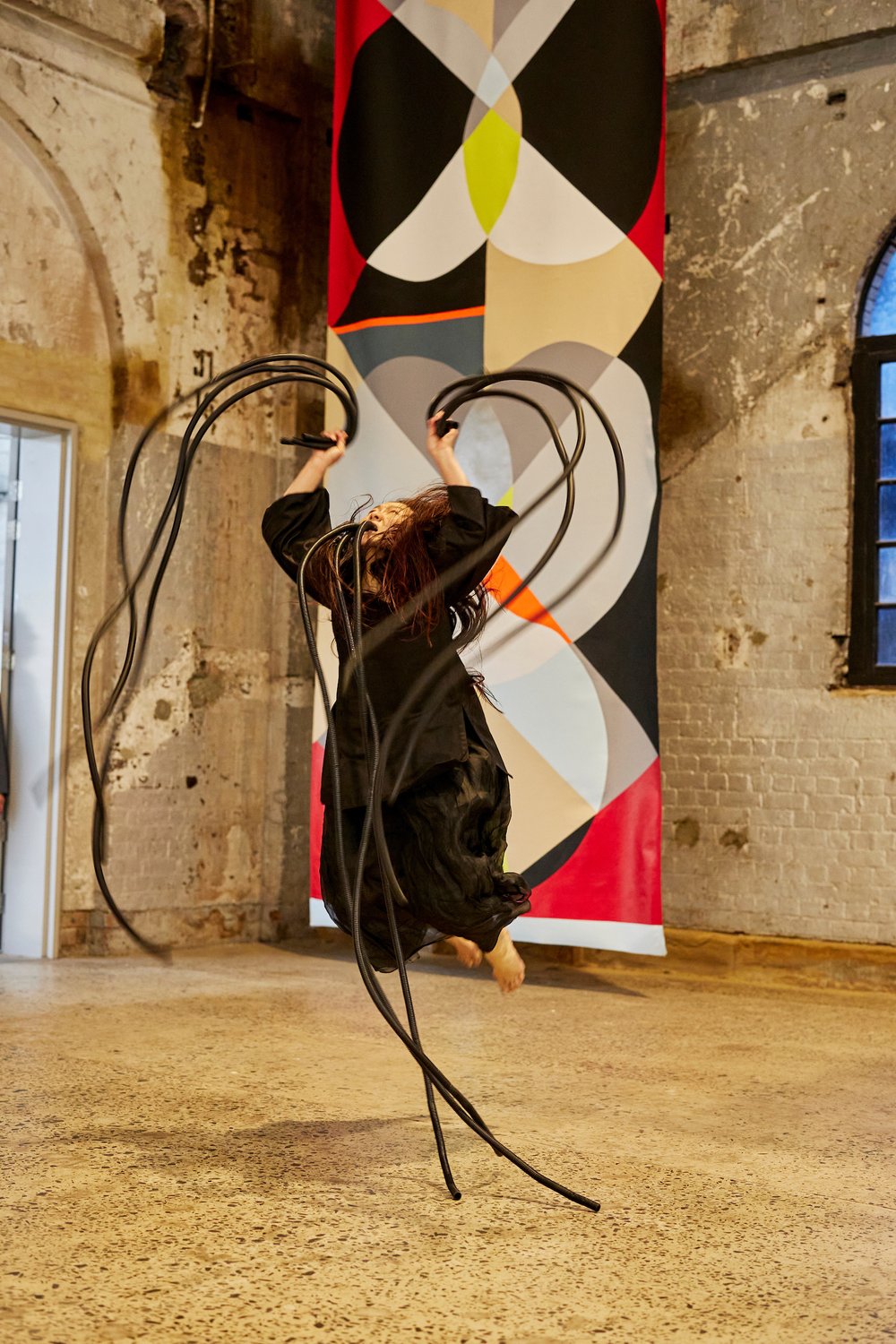
Walk With Me, Ciburial : Being and Place
Concept and Performance Artists - Alan Schacher, WeiZen Ho
Participating Artist from Bandung - Ario Mahardhika
facilitated by Ferial Affif on behalf of the project’s supporter,
the arts collective Gelanggang Olah Rasa, RDP Fajar Abadi,
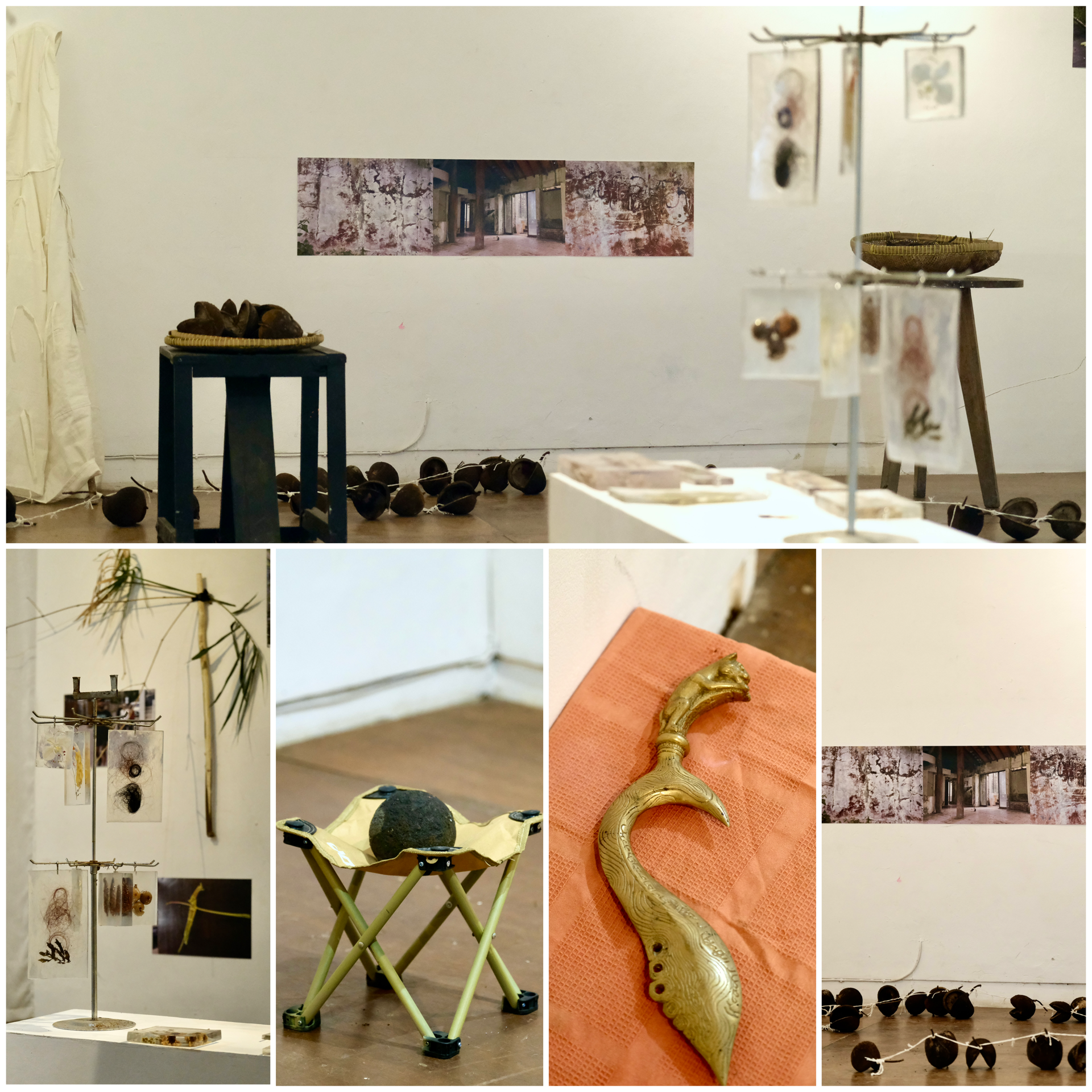
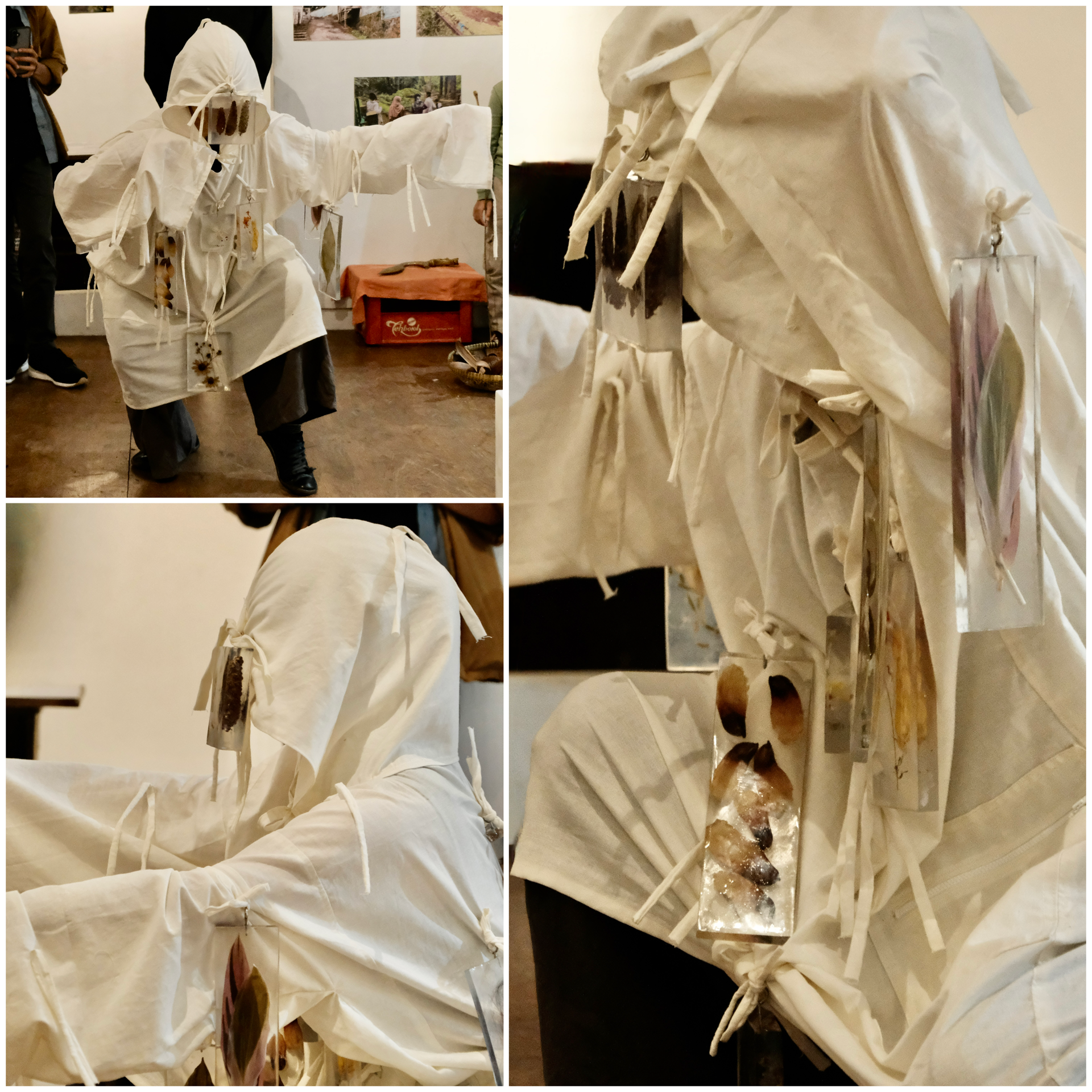
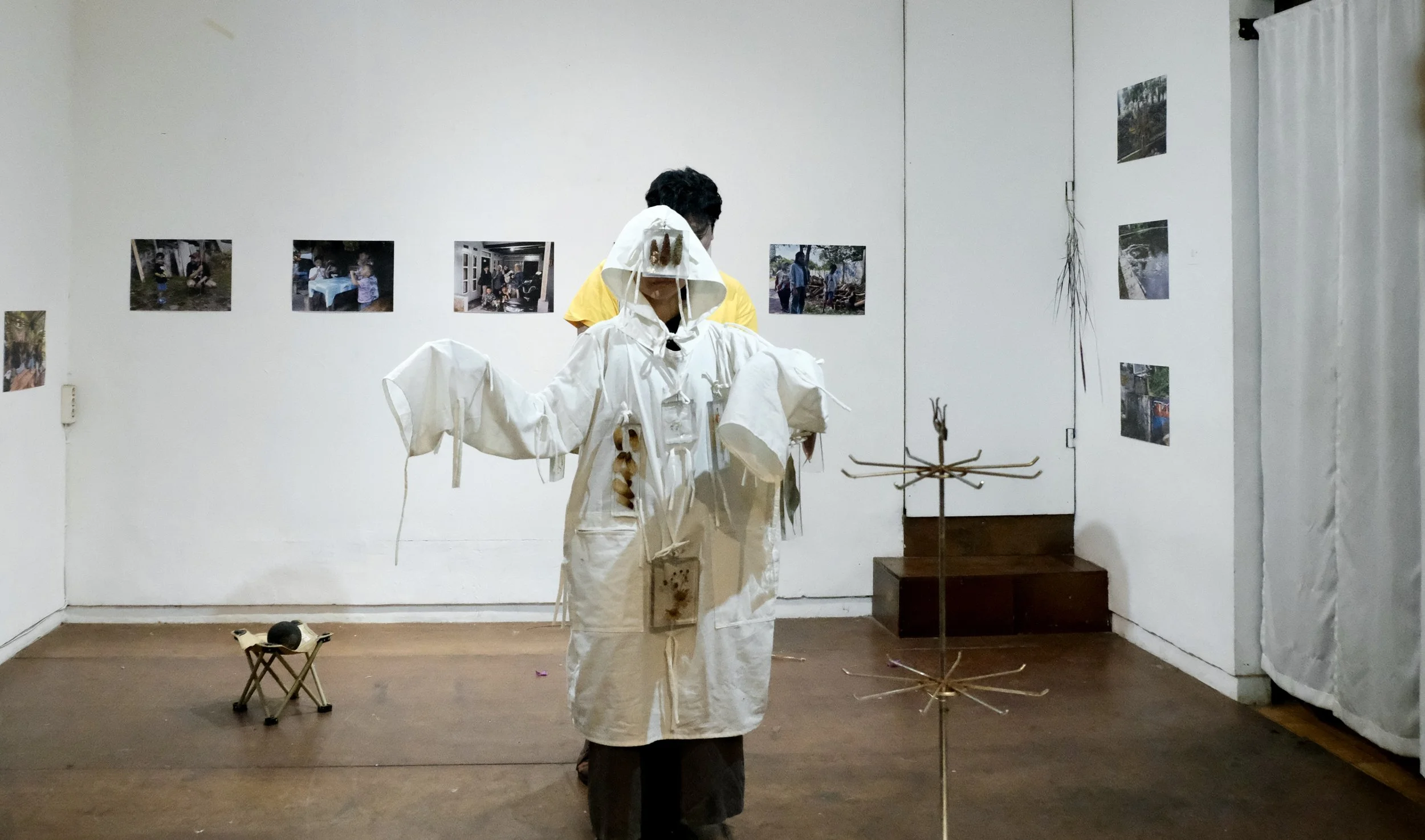
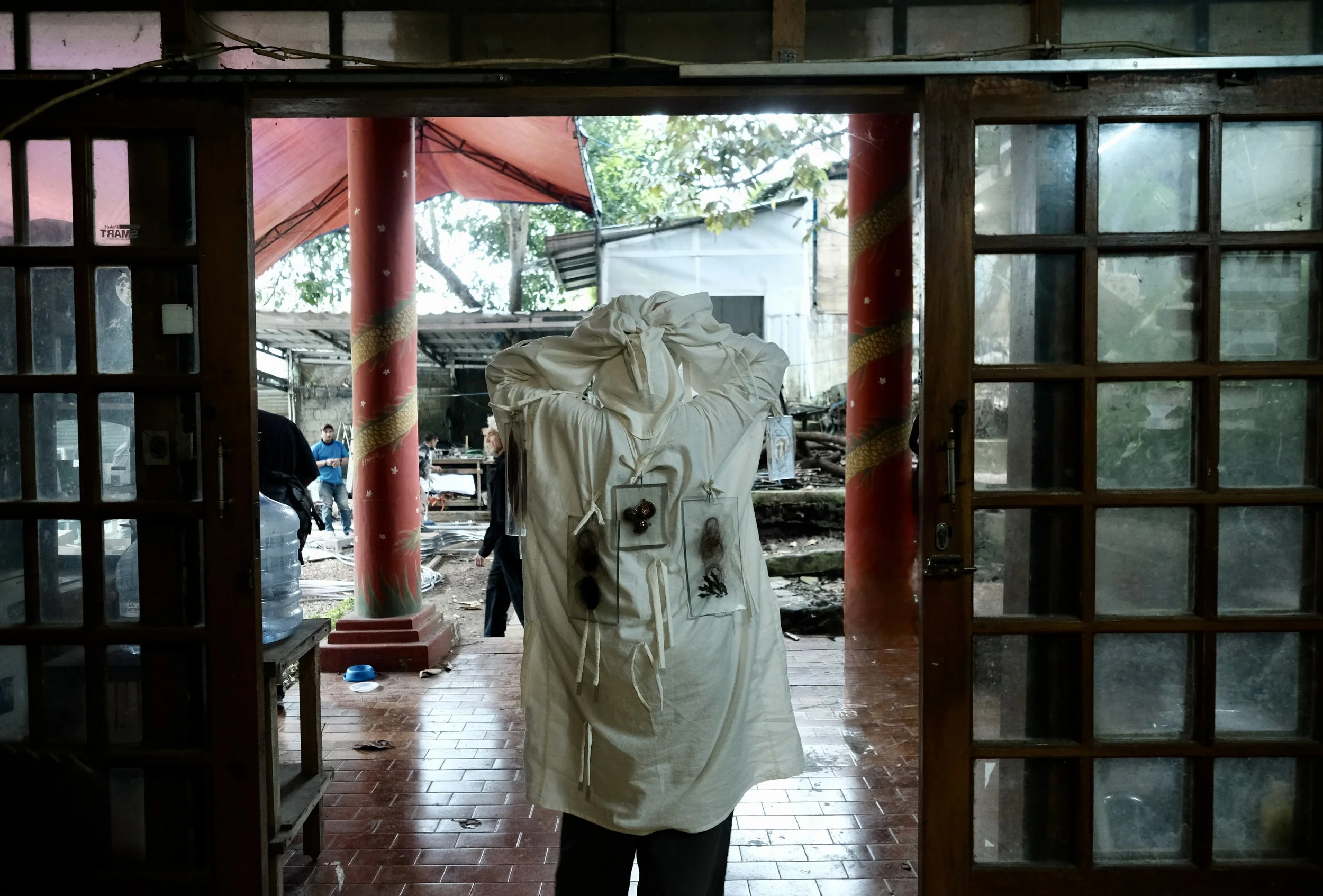
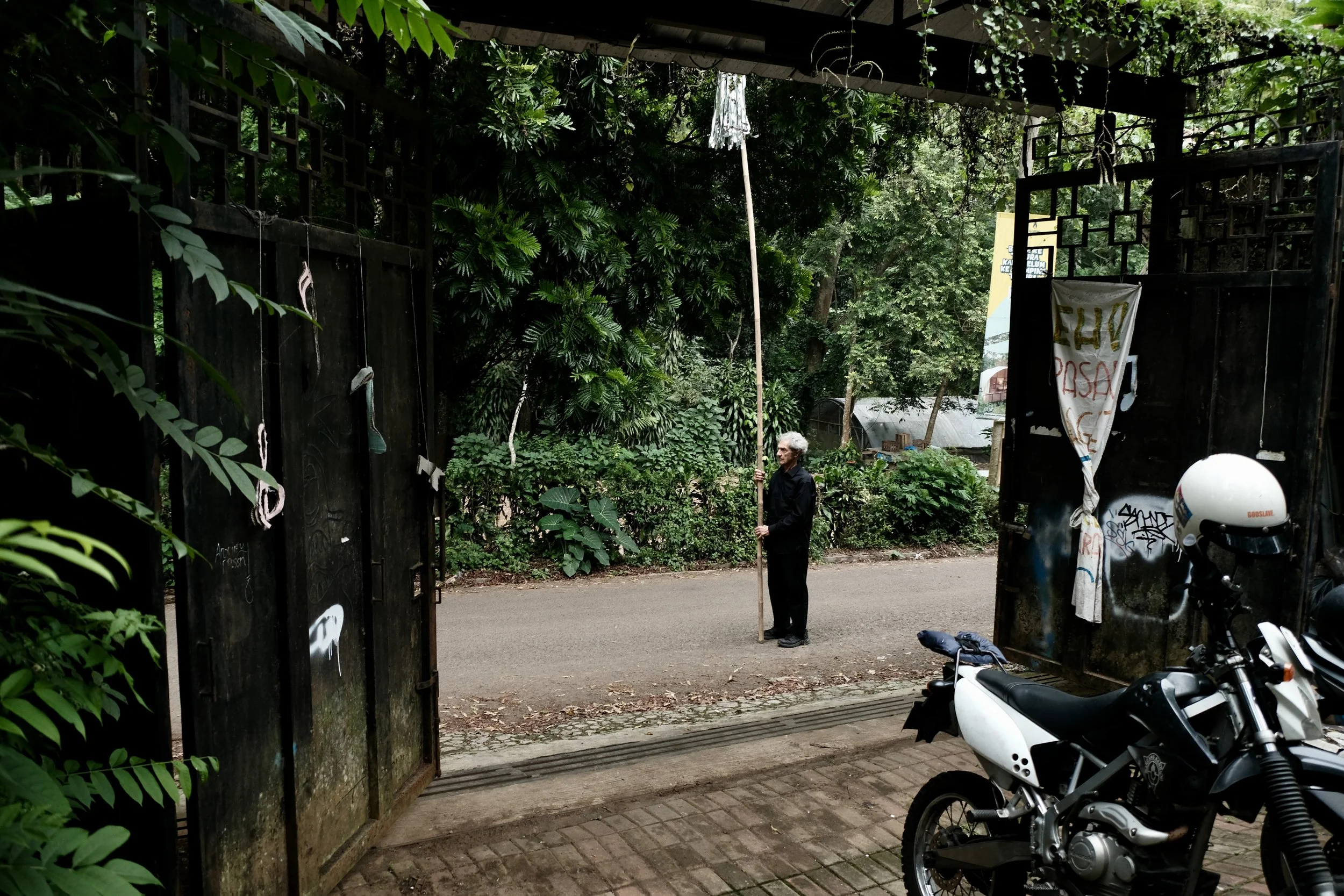
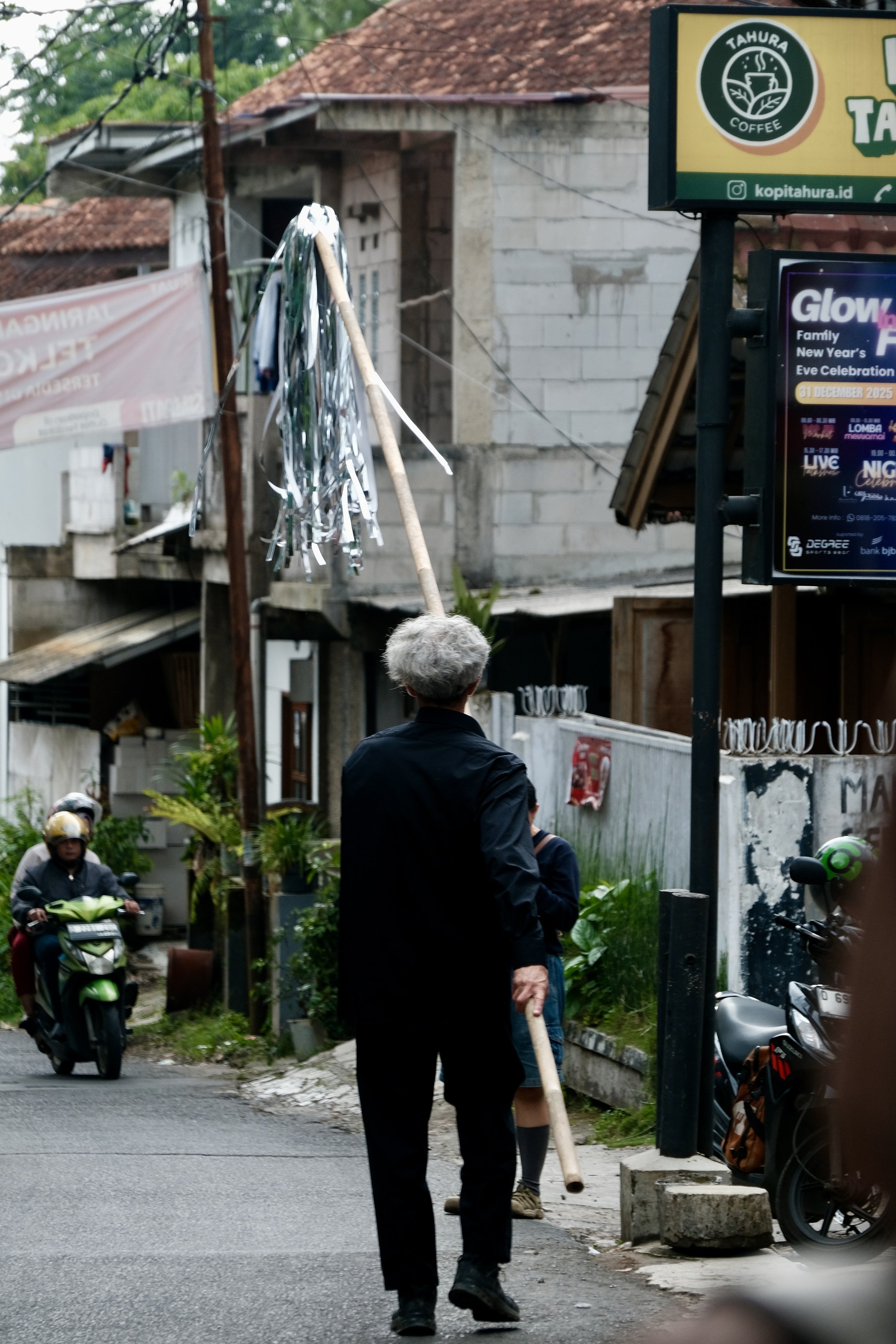
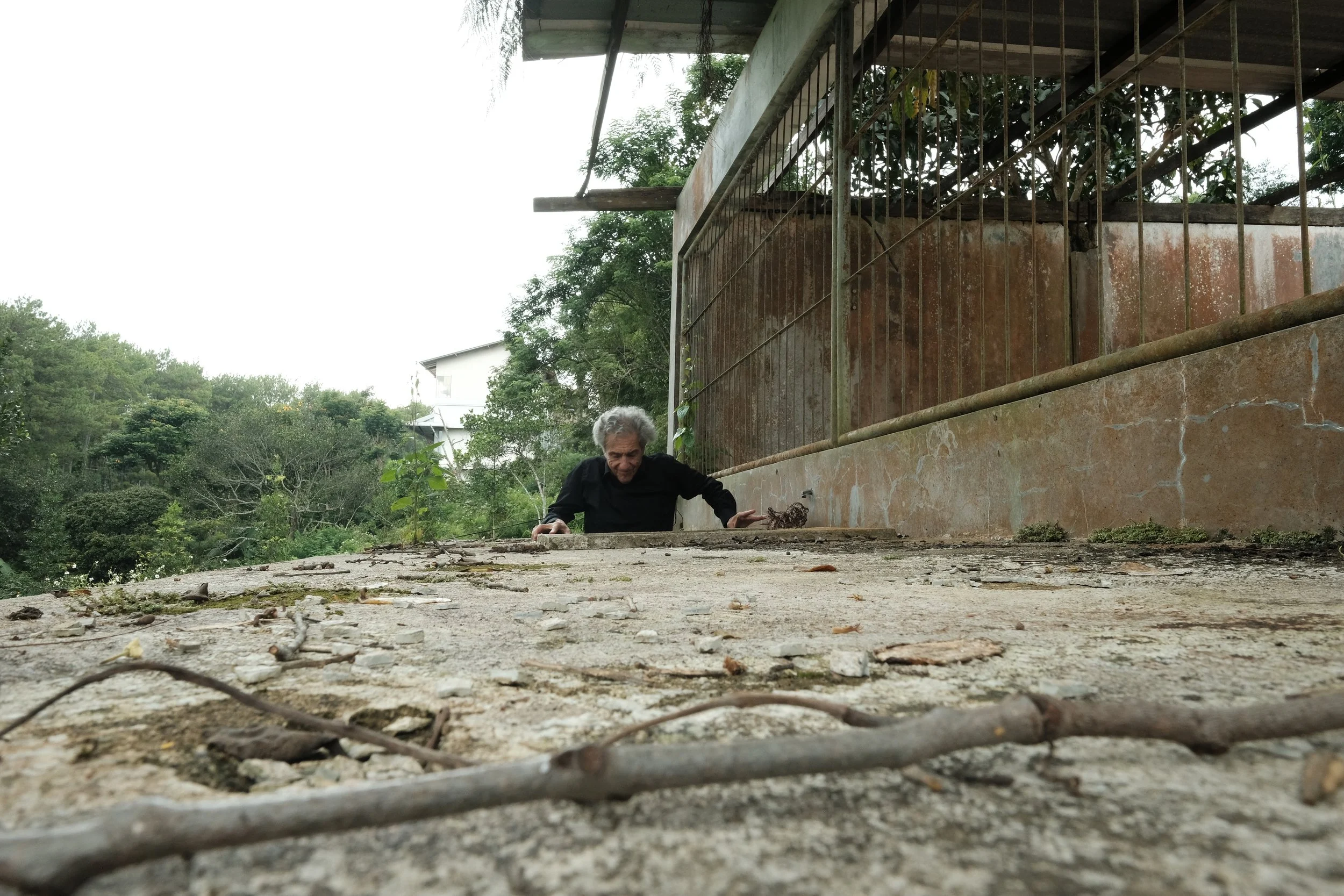
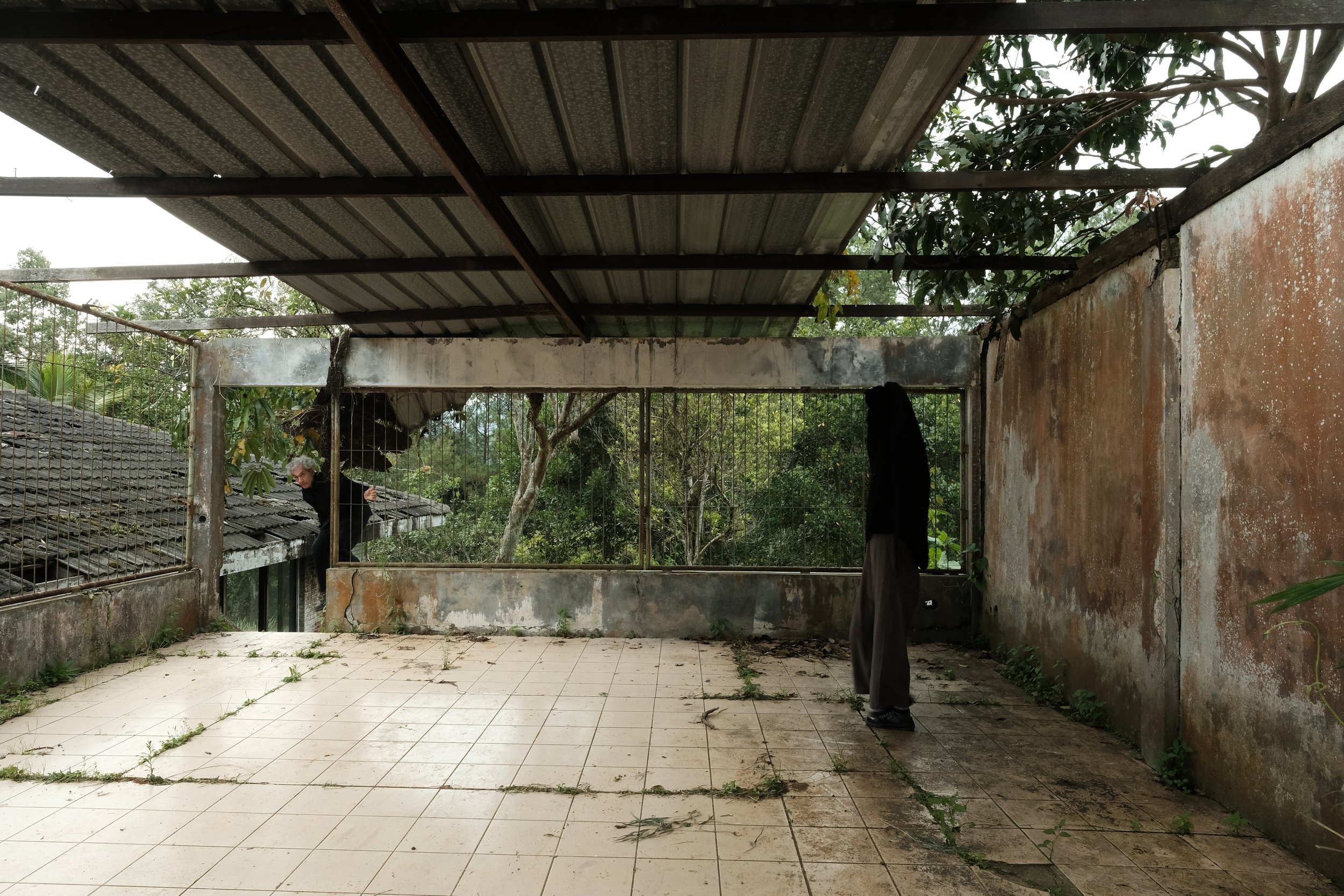
Performance-Installation and interventions in the public spaces of Dago Atas, Ciburial,
Bandung, West Indonesia
27 January 2026
-webpage-in-progress-
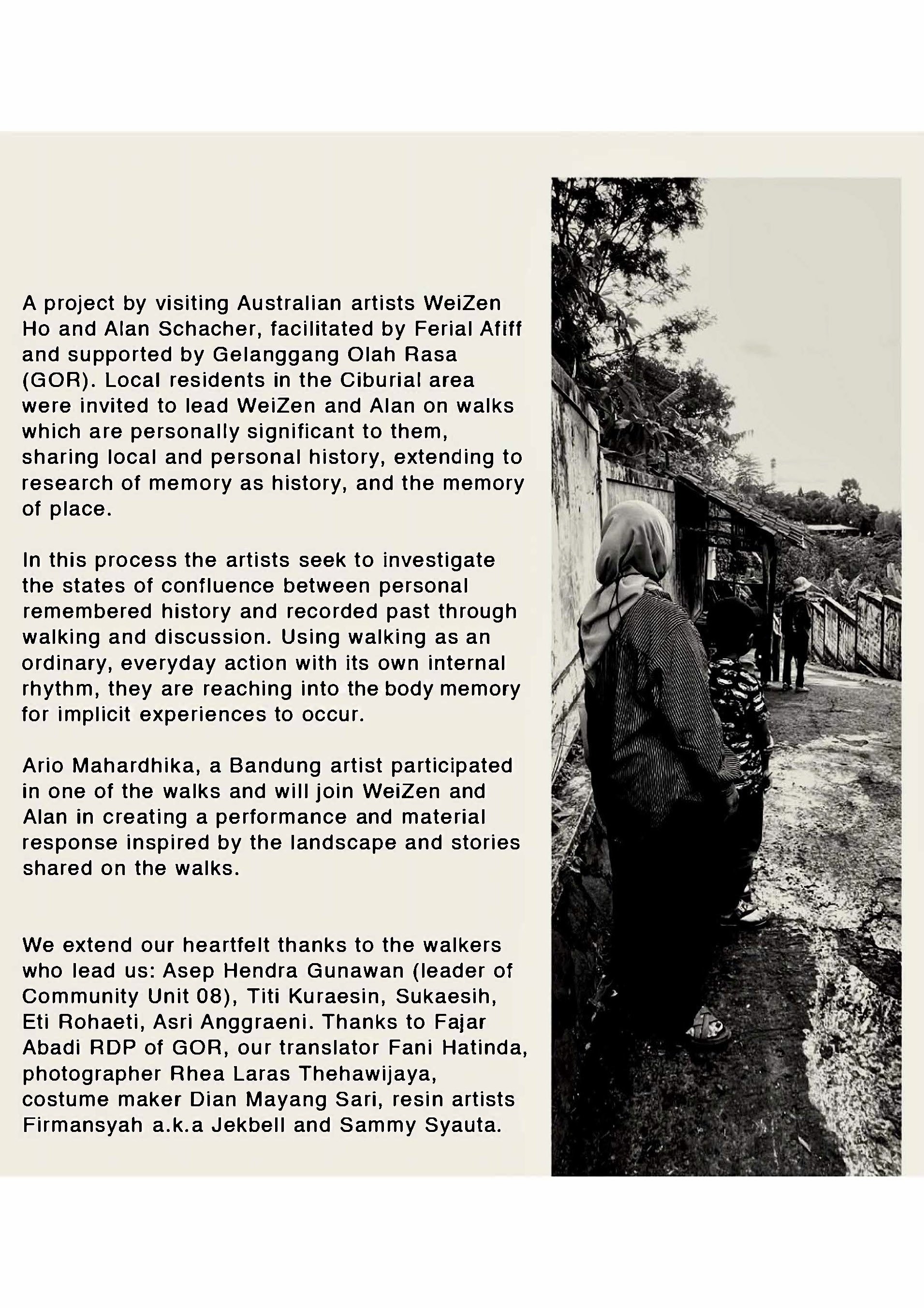
-webpage-in-progress-
Reflections
There is a word in Bahasa Indonesia and Malay, ‘cabangan’, used to describe the network patterns of leylines and how streams connect to rivers, which ultimately all flow into a single body: the ocean. I begin with this term as an entry point to reflecting on our project Walk with Me, Ciburial: Being and Place. The word resonates with the “ci” found in many Bandung place-names, signifying “the source of a spring.” This meaning describes the network of communities that exist in villages, which form territories, districts, regencies, provinces, and beyond.
For me, ‘cabangan’ also evokes the sources—both visible and invisible—of people’s networks and what moves them within Bandung’s sociocultural geography. This has been the most powerful revelation in reflecting on the project’s process. For most of us, movement is unthinking: it establishes its own internal rhythm, allowing implicit experiences to unfold. Walking a route of significance and sharing it with someone opens a broader framework for contemplating the complexity of Being and Place—a kind of embodied history that merges with personal memory through the walking encounter and exchange.
History exists in more than one register: the written trace found in archives, documents, monuments, and the living archive of memory that resides in bodies, stories, gestures. The psycho-philosophy of place attends to how these registers interact: how a site holds formal records and also accumulates feeling, perception, and personal testimony. Between them is a gap that is not absence but a field of action — a place to listen, to intervene, and to recompose what we call history.
A place is porous. People (like us visiting artists) pass through as outsiders, visitors, guests; they arrive carrying private narratives, prejudices, wounds, and affinities. Each person functions like a portal: when they encounter a street, a building, a ruin, they translate the material into meaning. That translation alters the atmosphere of the place—sometimes subtly, sometimes decisively. Memory does not simply sit inside heads; it moves through posture, speech, ritual, and the small ways we occupy space. These micro-movements aggregate into a social texture that is not reducible to official documentation.
Recorded history aims for coherence: dates, causality, major actors. It is shaped by institutions, power, and the technologies available to preserve and prioritize certain records. Memory resists that neatness. It is partial, affective, contradictory. A single event—an uprising, a displacement, a celebration—will produce a constellation of local memories that contest or complicate the archival account. When history omits these personal recollections, it becomes a flattened map, legible but barren of the lived contours that made the events meaningful.
Treating history as incomplete without individual memory reframes historical practice as an ethical and ontological duty. Ethically: because to listen is to acknowledge persons as carriers of truth that the archive often erases. Ontologically: because the reality of a place is constituted by both material continuity and the ongoing acts of remembering that keep it alive. Practices that collect oral histories, cultivate testimonies, and preserve embodied rituals act not merely as supplements to archives but as necessary components of historical truth.
This gap—between recorded history and personal memory—is a productive zone for artistic and durational practice. Interventions that center individual recollection can reveal how memory shapes perception of space over time. A person’s walk through a neighborhood, narrated in the first person, overlays private timelines onto public ones. A participatory performance that invites inhabitants to mark a map with moments of fear, joy, or loss stitches a counter-archive into the urban fabric. Rituals that repeat gestures associated with past events keep those events present, transforming static monuments into living, contested sites.
Working in this gap needs attention to scale and form. Some memories are quiet: a smell that summons a childhood corner, a seed pod that falls on the jungle floor, a medicinal flower that blooms on the side of a concrete wall. Others are collective and loud: occupation experiences, funerals, festivals. Both kinds should be held in relation. The artist or researcher must design encounters that respect vulnerability, enable agency, and foreground multiplicity. This means privileging listening over speaking, and testing diverse approaches—temporal, spatial, relational—that allow memories to surface and interact. In practical terms, the approach can take many forms and the resident-walkers are always the co-authors of place-history.
Ultimately, insisting that history includes each person’s memory resists the forced habit of closure - perhaps, allowing the suspension of conclusion in what we read and listen to, cultivating the capacity for ongoing attention, holding space for questioning institutional, aesthetic and interpersonal erasures both conscious and unconscious. History then takes on a dynamic form because memory is generative: it reframes the past in light of present needs, making history a living negotiation rather than a fixed record. This perpetual recasting is not failure but fidelity—to human complexity, to the embodied mind, and to the sites that hold us. If place is both ground and dialogue, then to deepen thinking about psycho-philosophy of place is to practice a politics of attention: attending to the ‘cabangan’ of feeling that archives cannot contain, and making space for memory to alter what we accept as historical truth.
Click below for Alan Schacher's perspective:
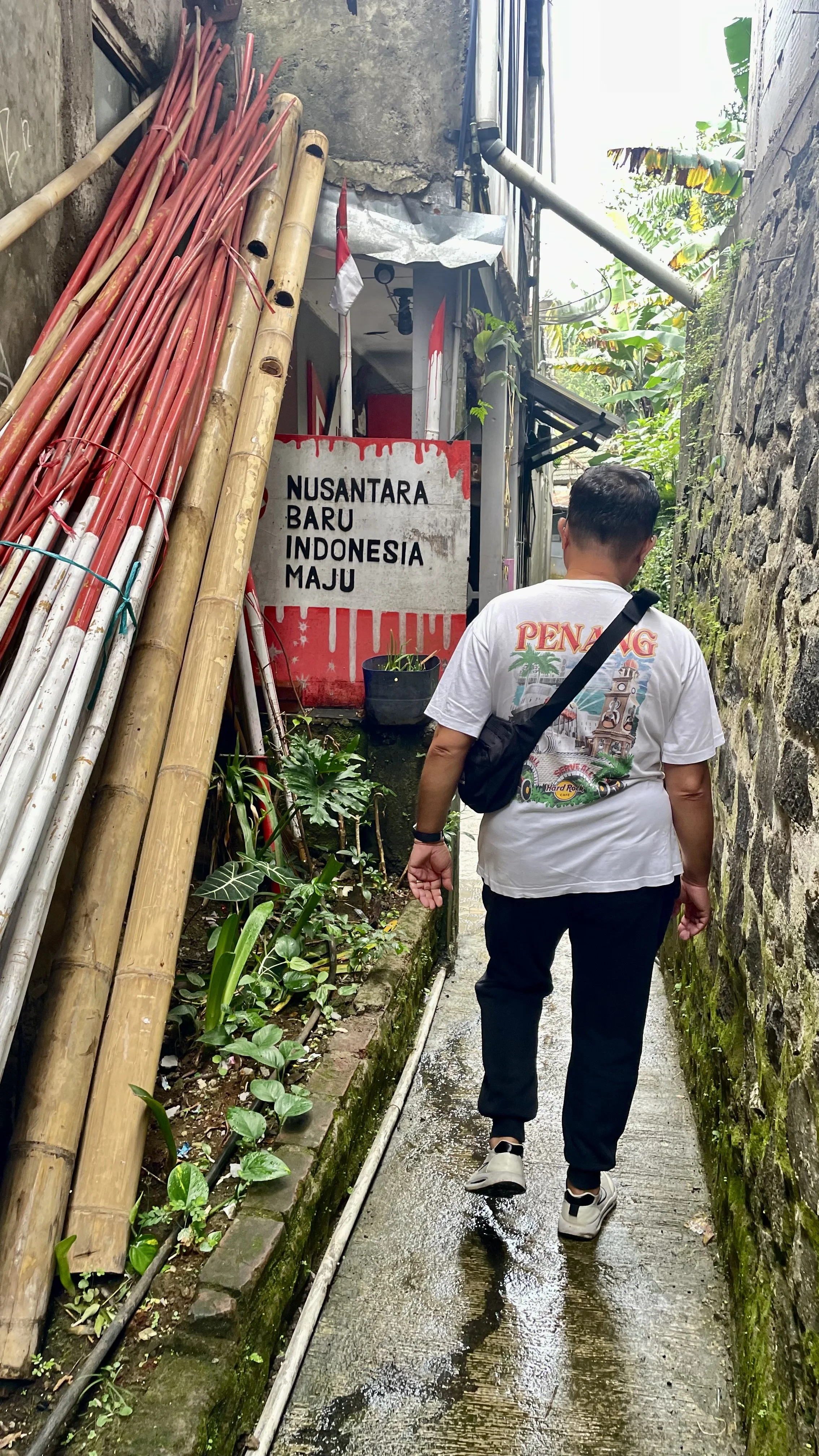
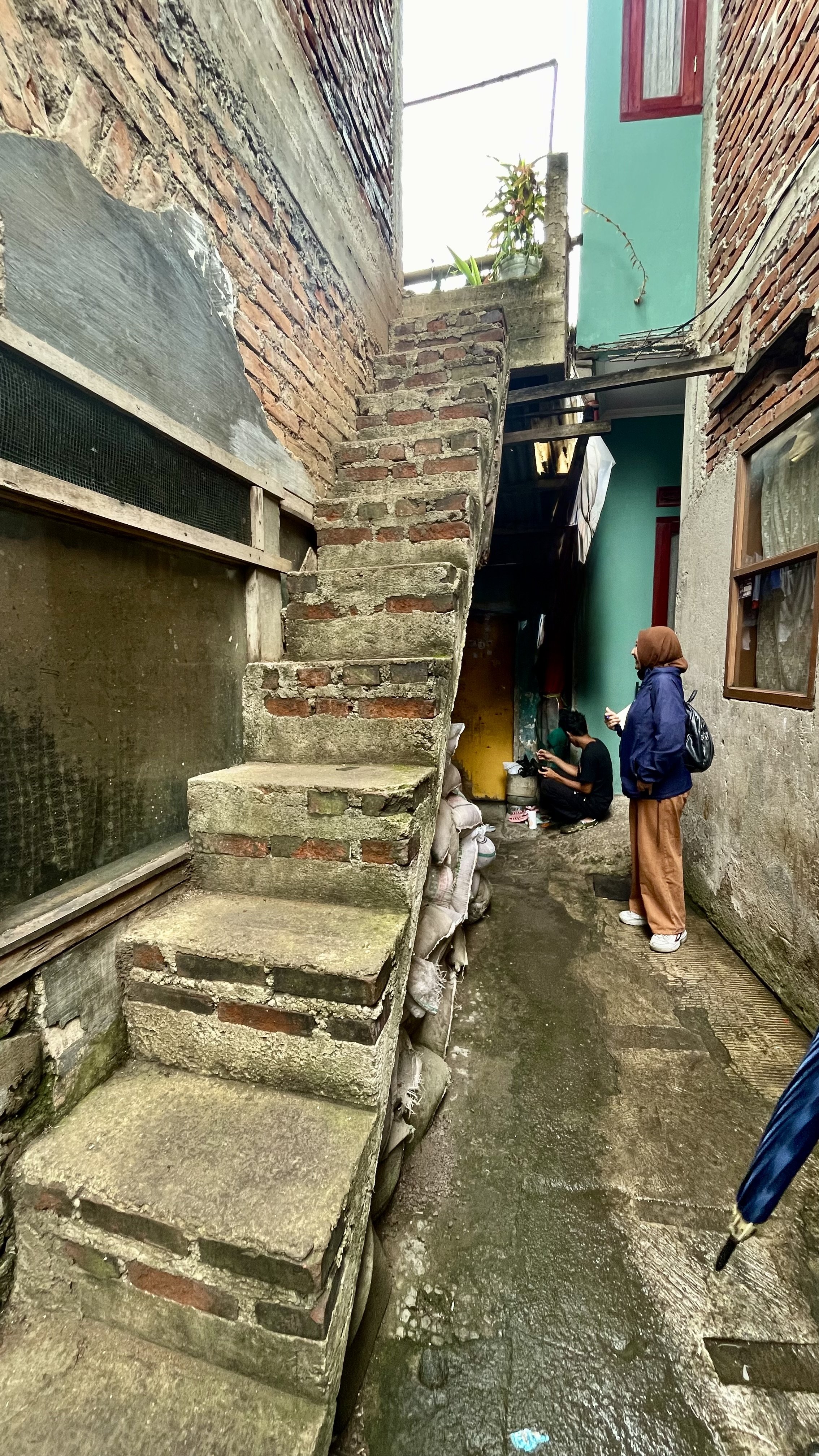
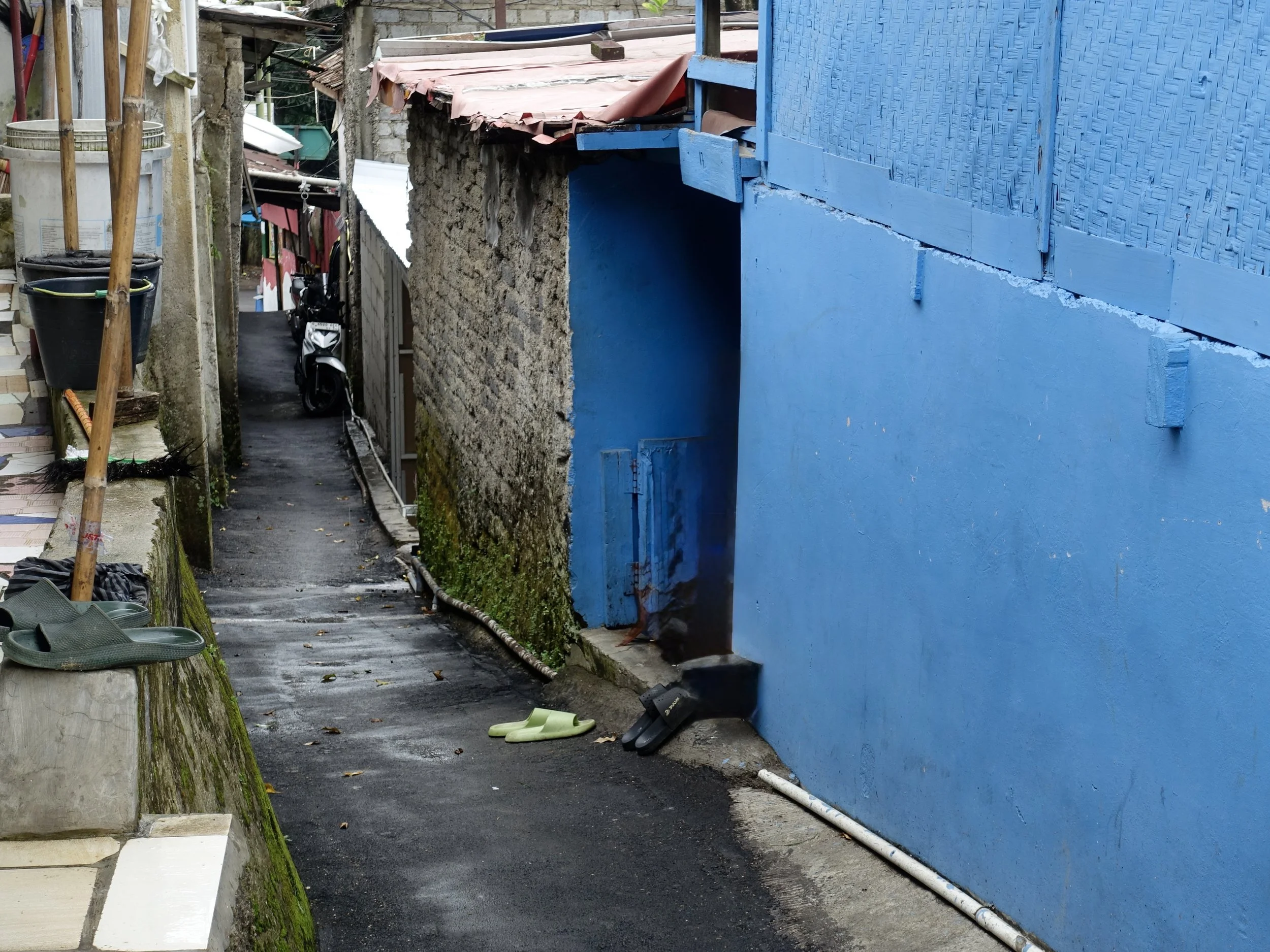
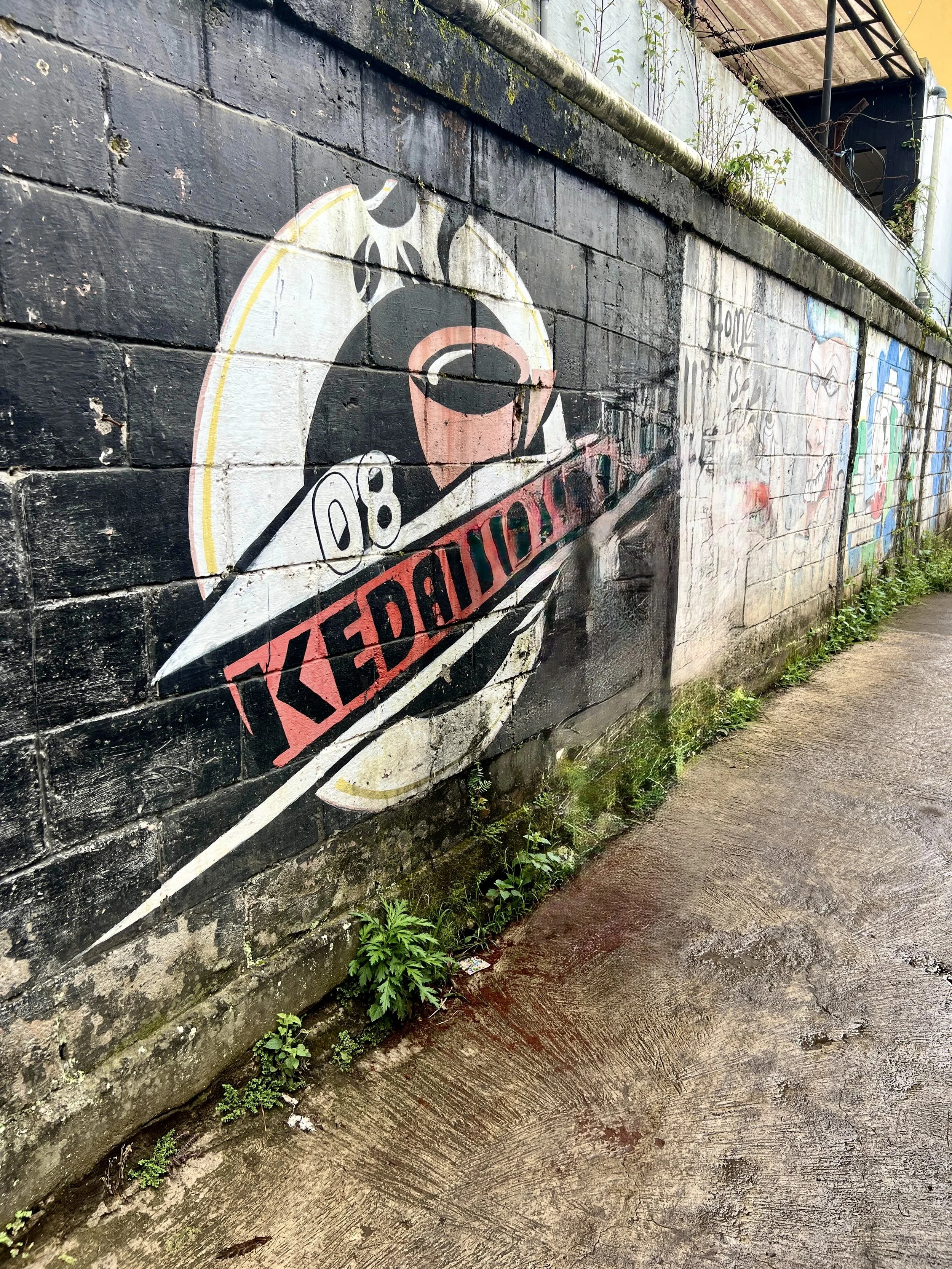
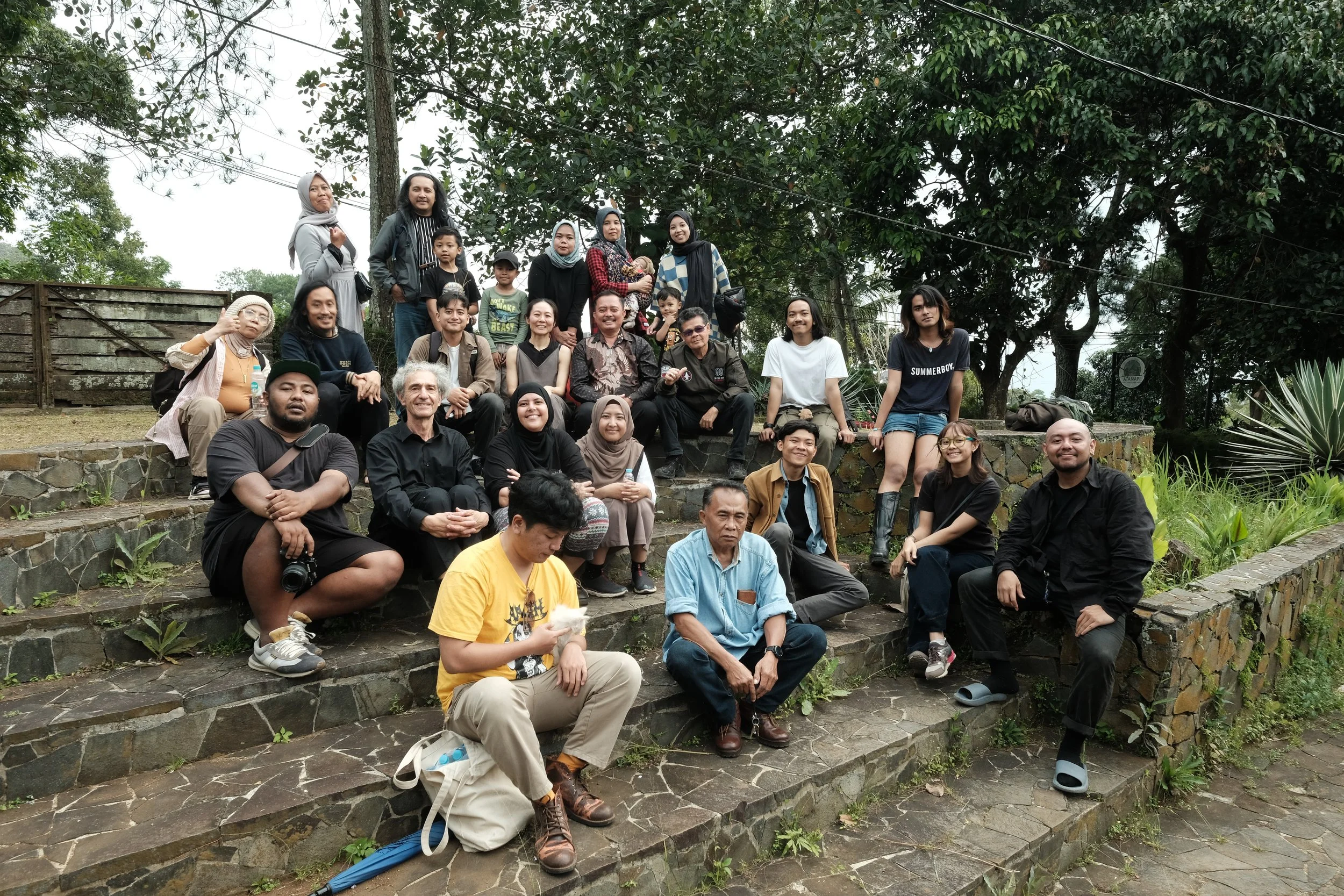
Anchoring our workspace and meeting point at GOR meant we were embedded in the area where the walkers live. Additionally, Ferial Affif began the important process of spreading the invitation and speaking with the residents and members of the Ciburial community months before we arrived. Due to her passion in approaching new communities as inspiration for possible arts processes, Ferial organised ‘get to know’ sessions with the potential walkers as a way of securing the walking sessions, increasing the potential for direct relationships to take place. I do believe that this may be the reason we were invited into the homes of these walker-residents.
Above are some photos of our first walk with Pak Asep Hendra Gunawan, dotted with a network of friendships and advocacy relations as a result of his role as the Rukun Warga (RW), the leader of Community Unit 08. As an elected RW, Pak Asep represented Rukun Tetangga (RT) act as a bridge between the community and city government; RW 03 includes areas near the Cikapundung River and Bukit Dago Utara/Selatan.
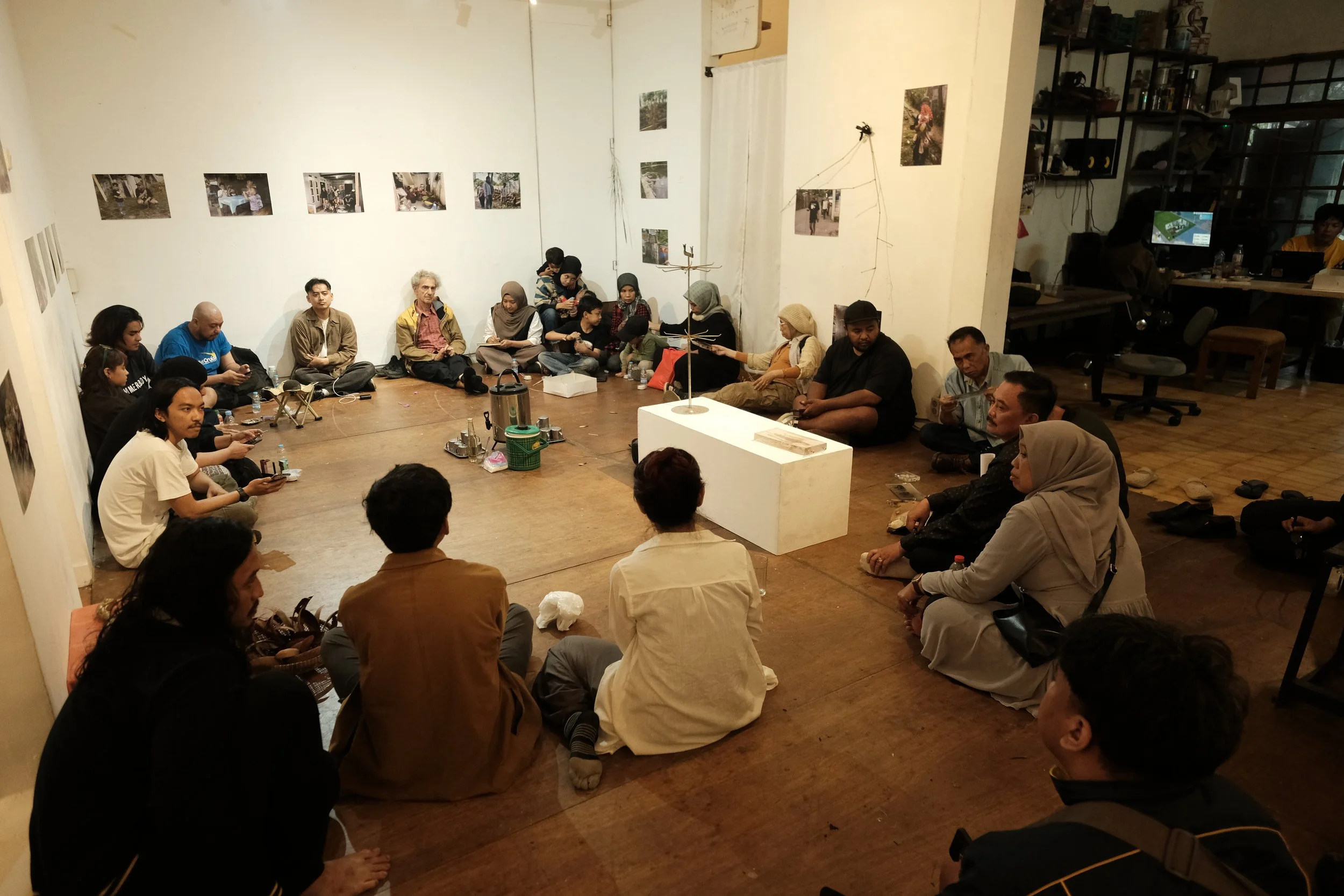
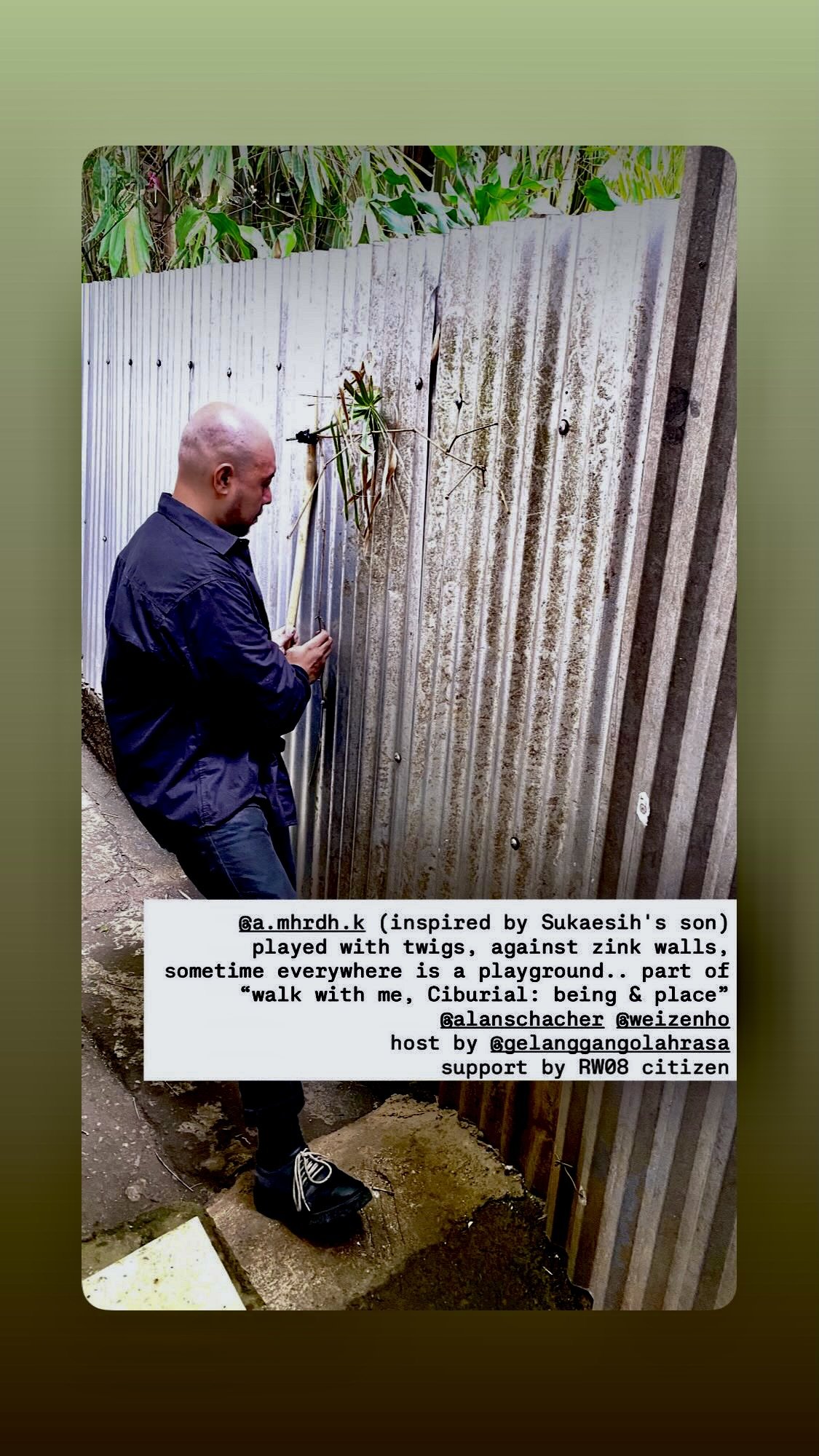
An artists’ talk was also organised within a few days - this is how we managed to elicit the interest of a local performance artist and theatre practitioner to join us in part of our walking, devising and public space presentation process - Ario Mahardhika featured below in an Instagram photo Ferial posted.
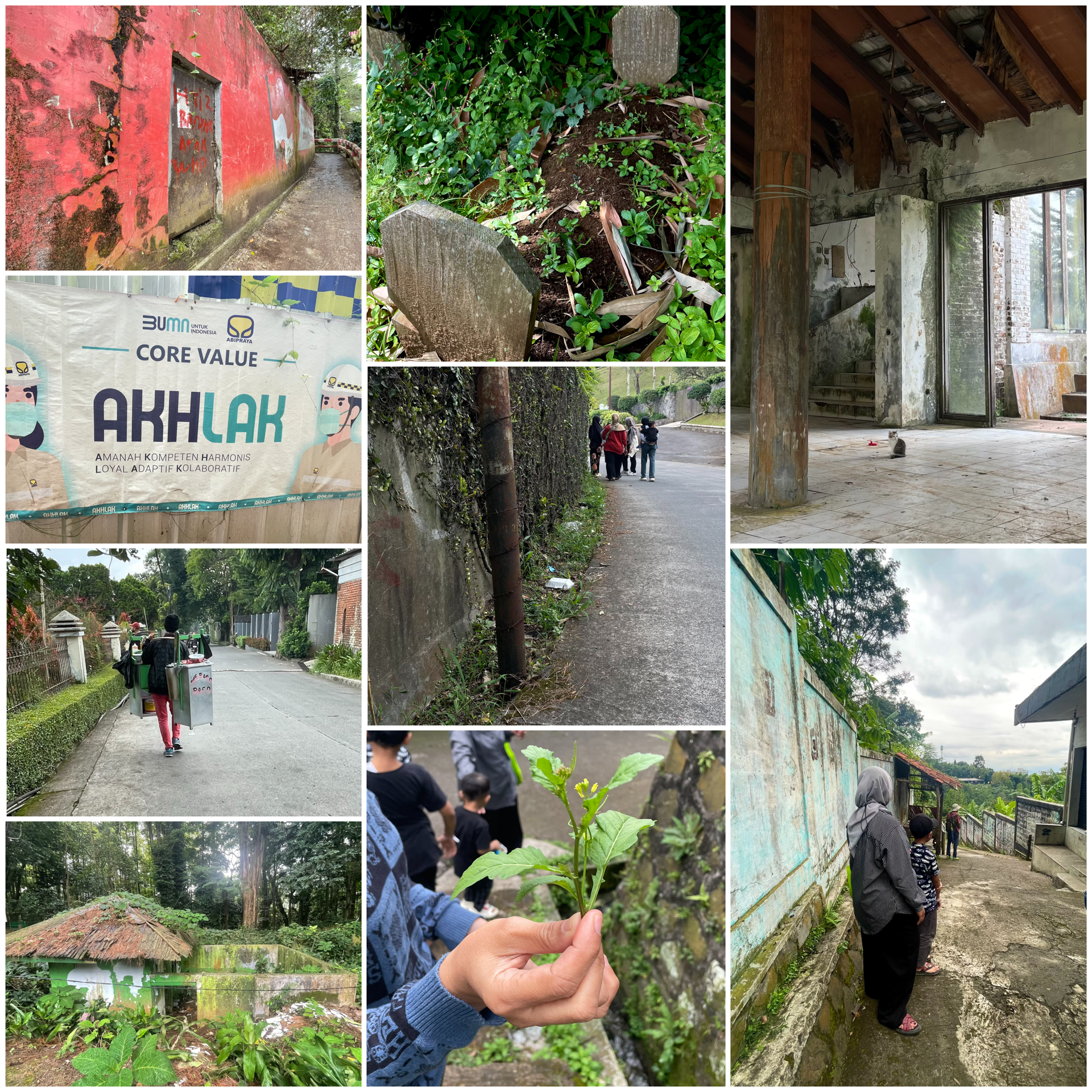
Above are the routes shown to us over several days by Titi Kyraesin, Sukaesih, Eti Rohaeti, and Asri Anggraeni, each leading a walk-and-talk session on a different day according to what they wished to share of their memories.
-webpage-in-progress-
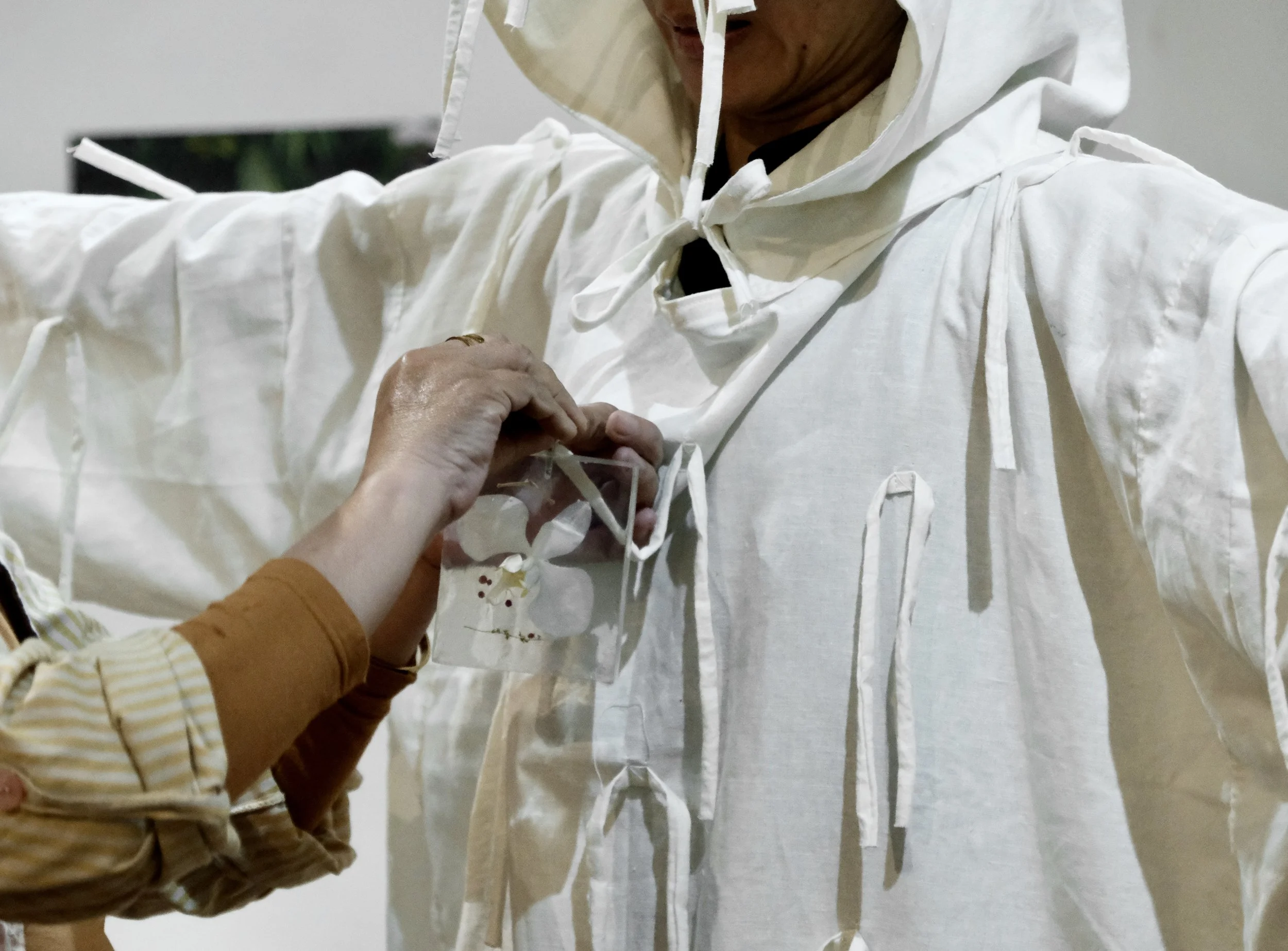
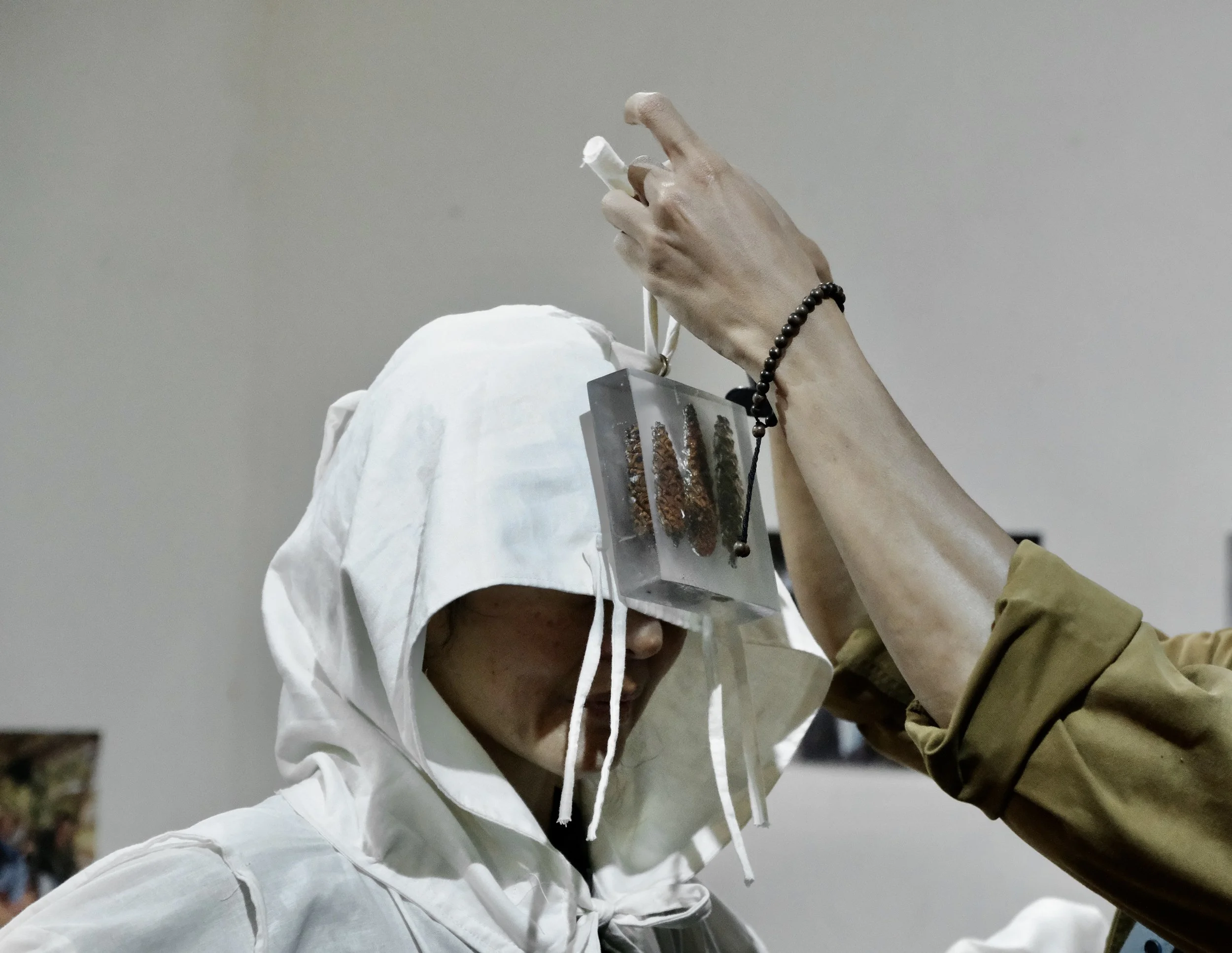
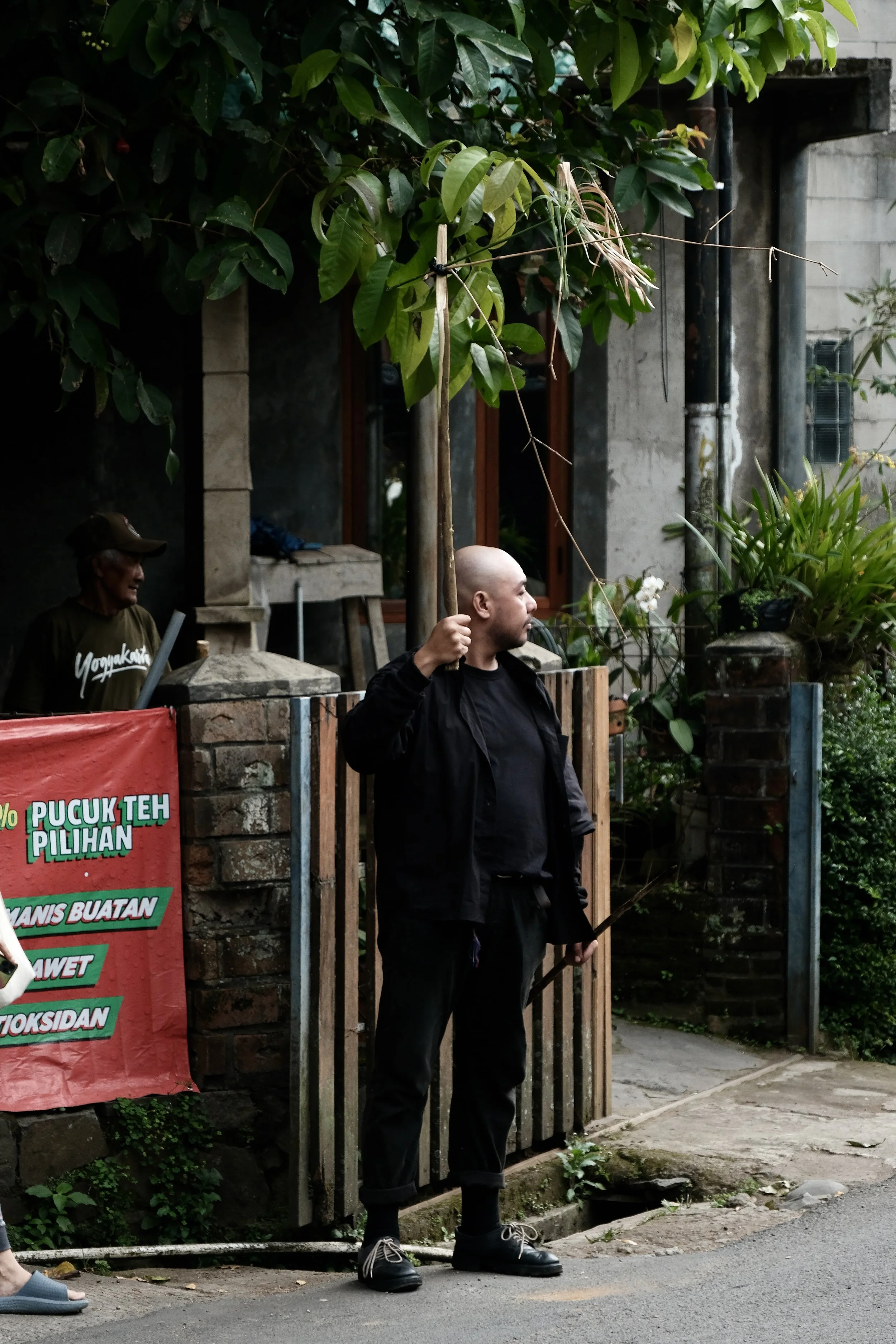
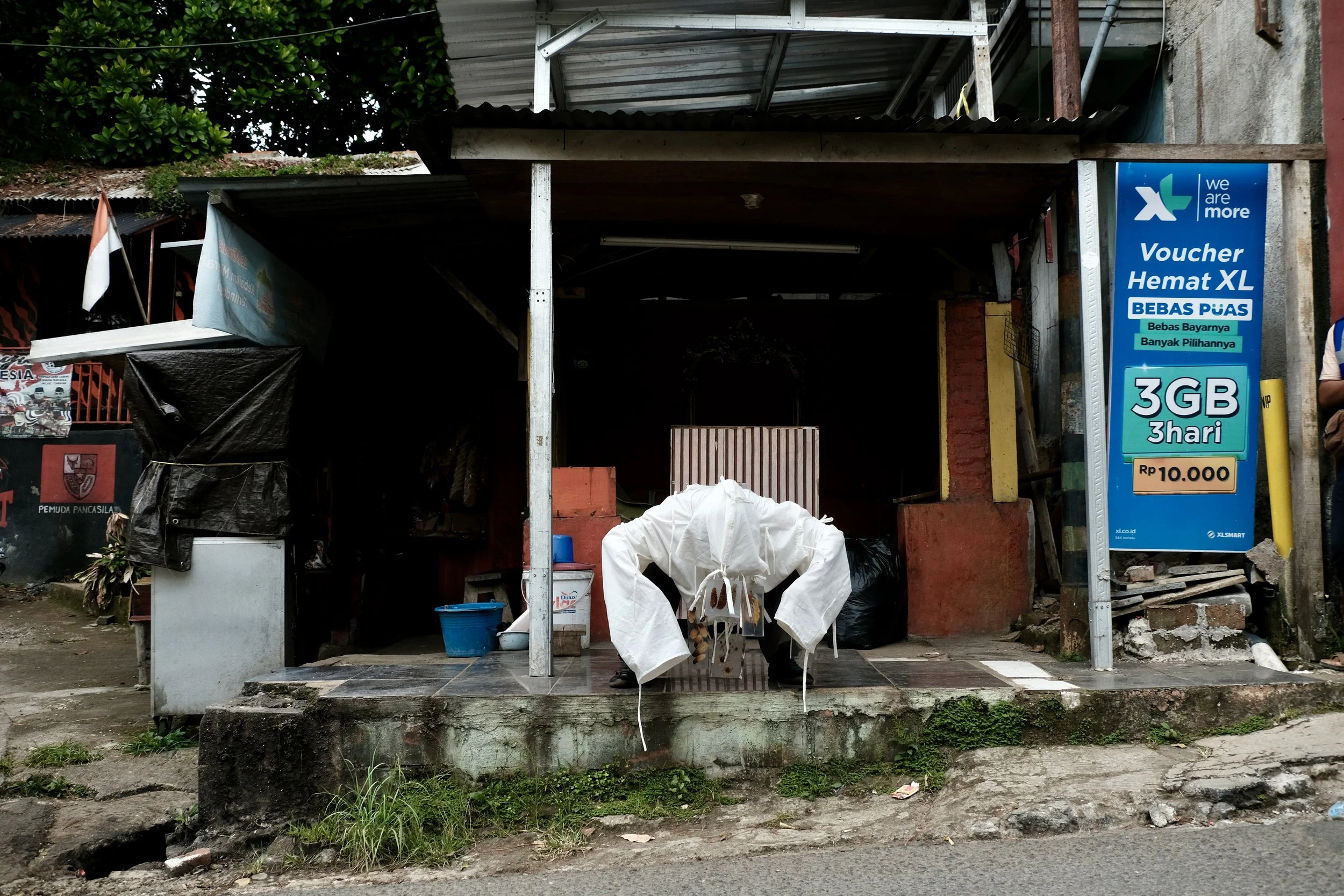
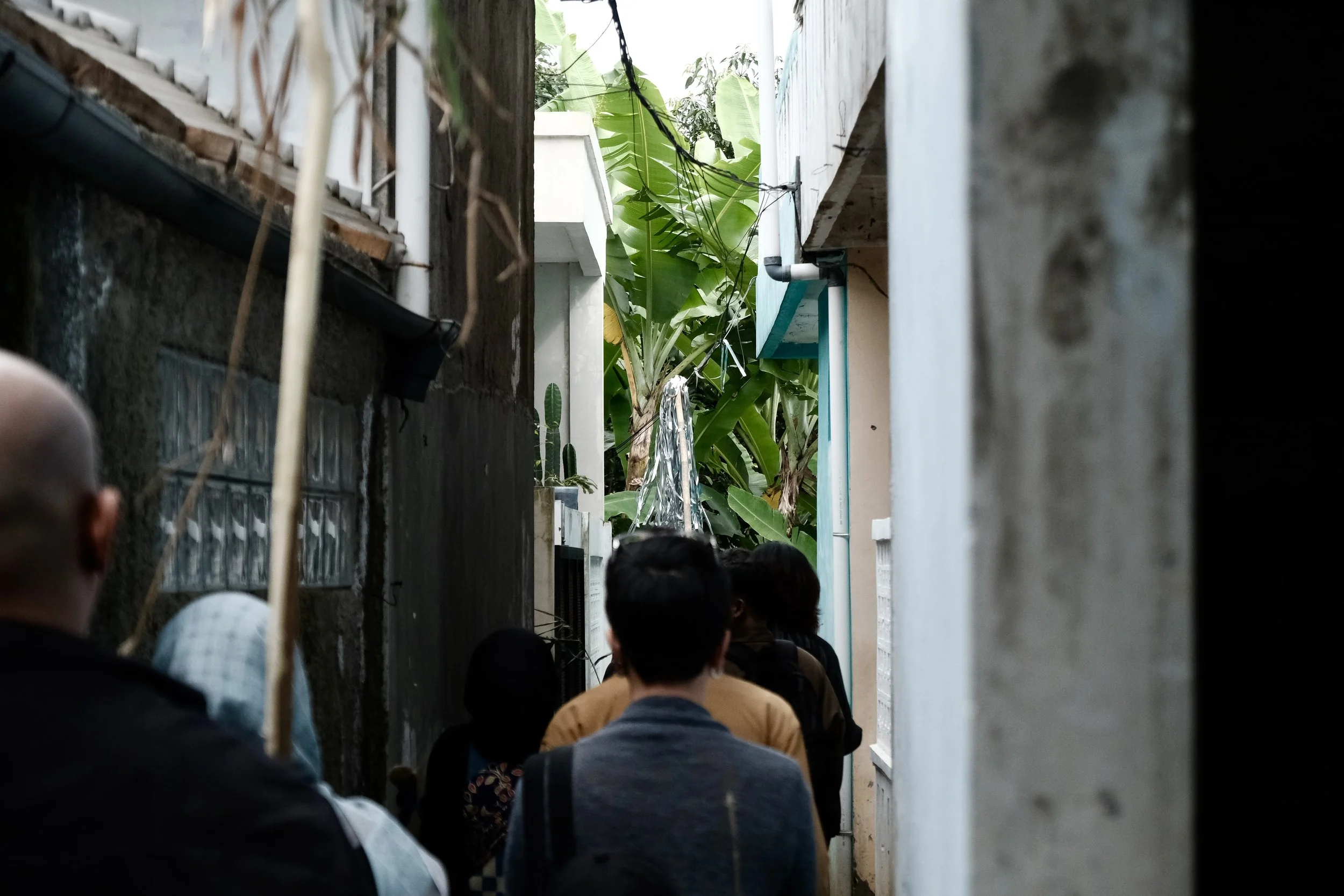
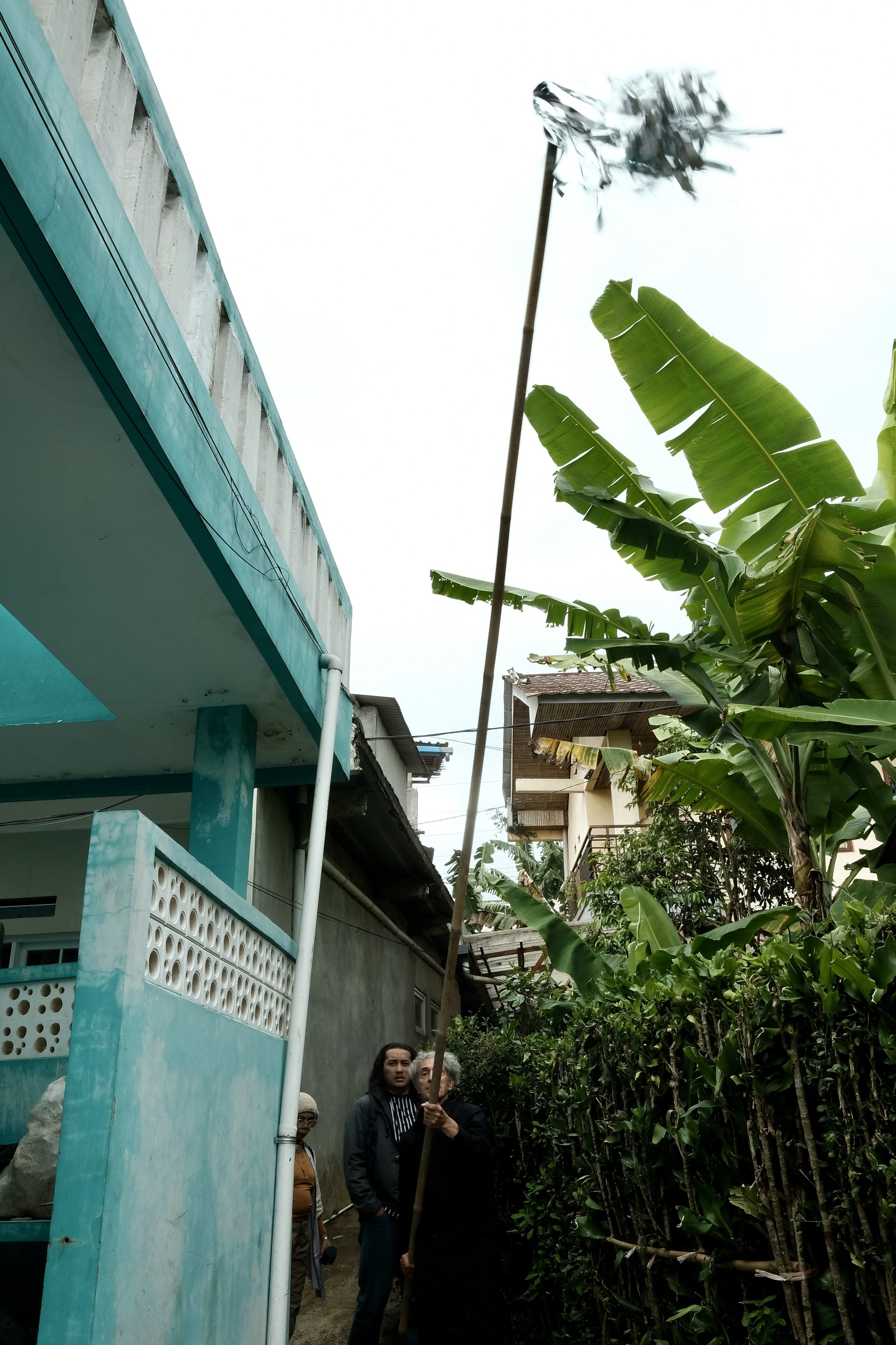
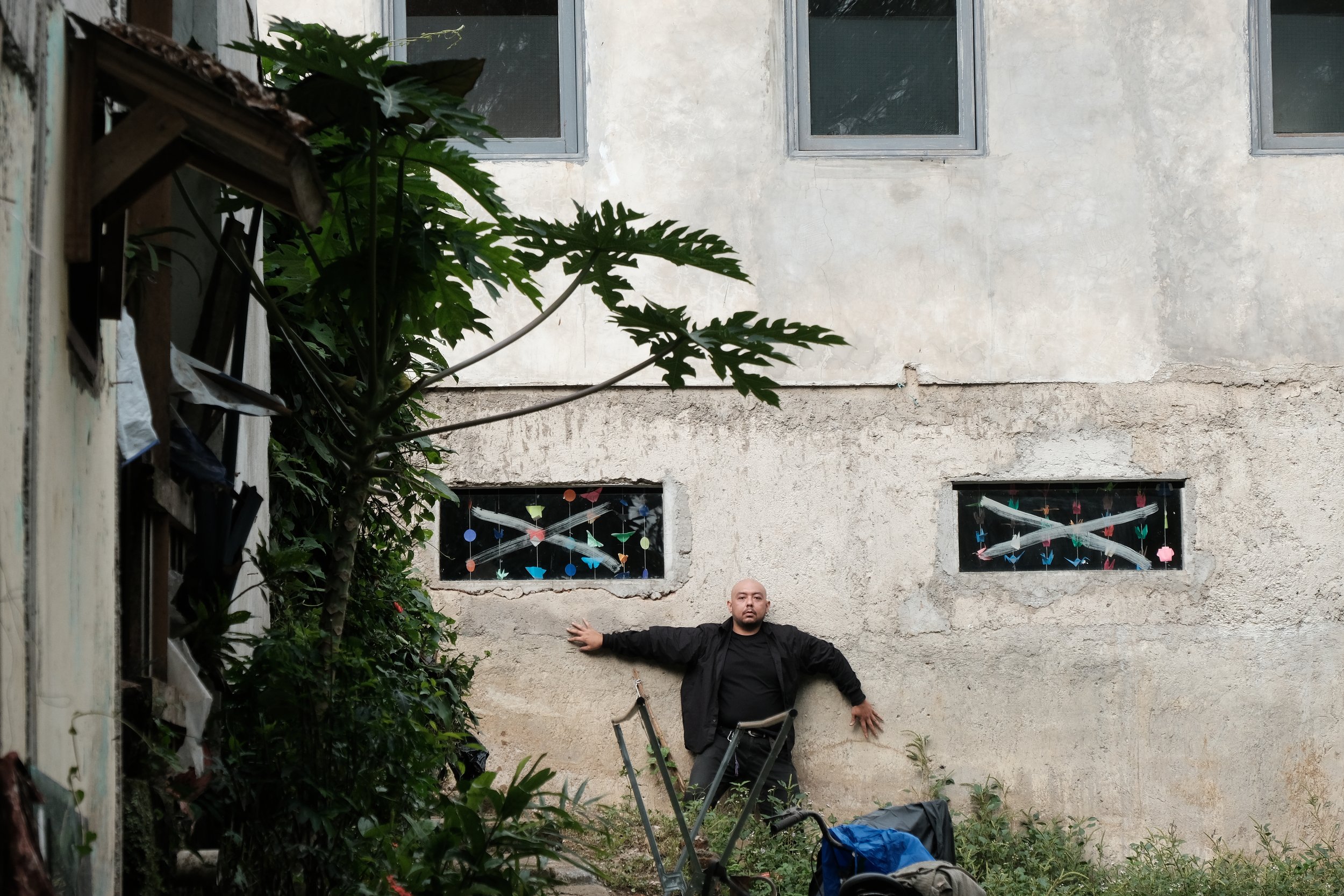
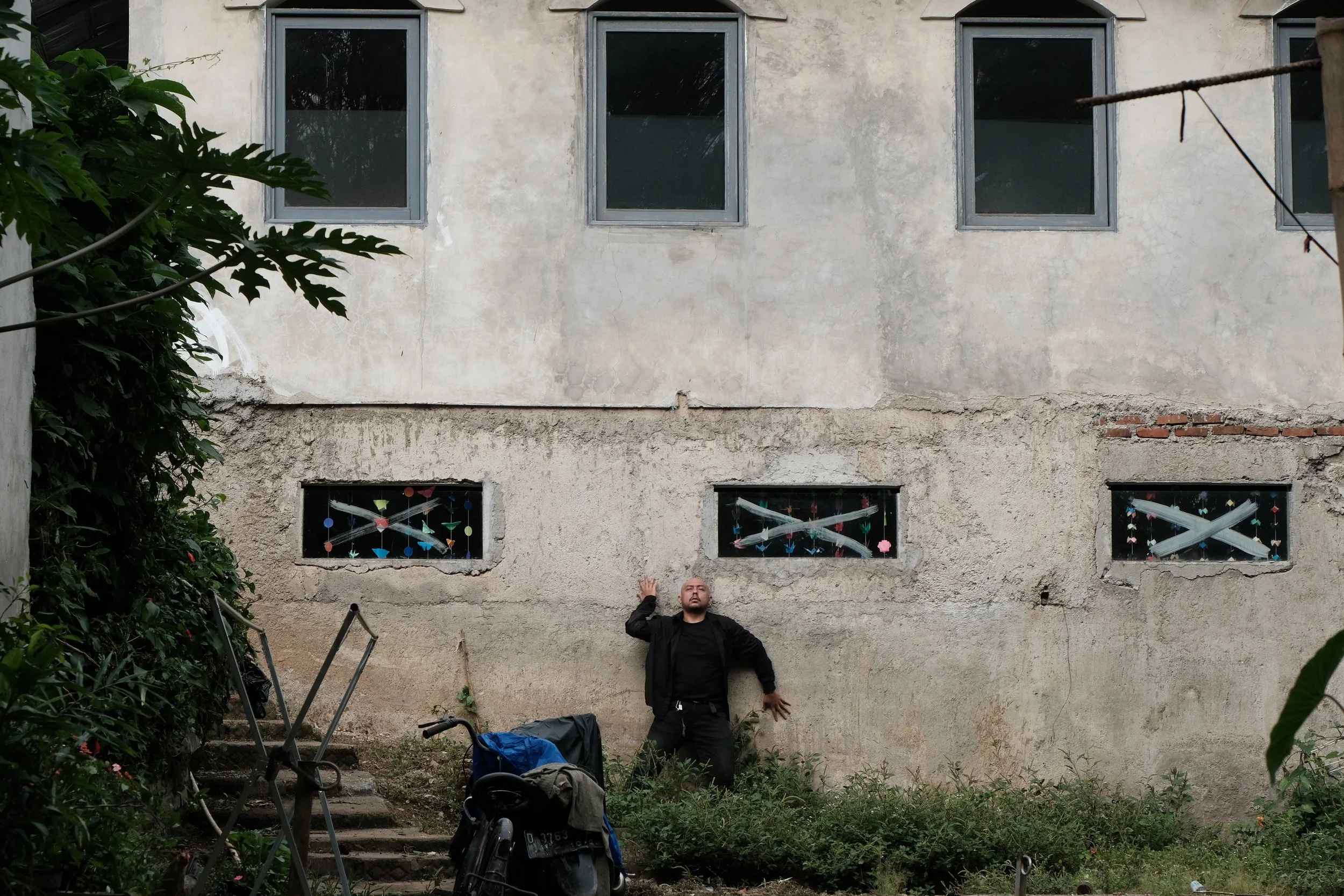
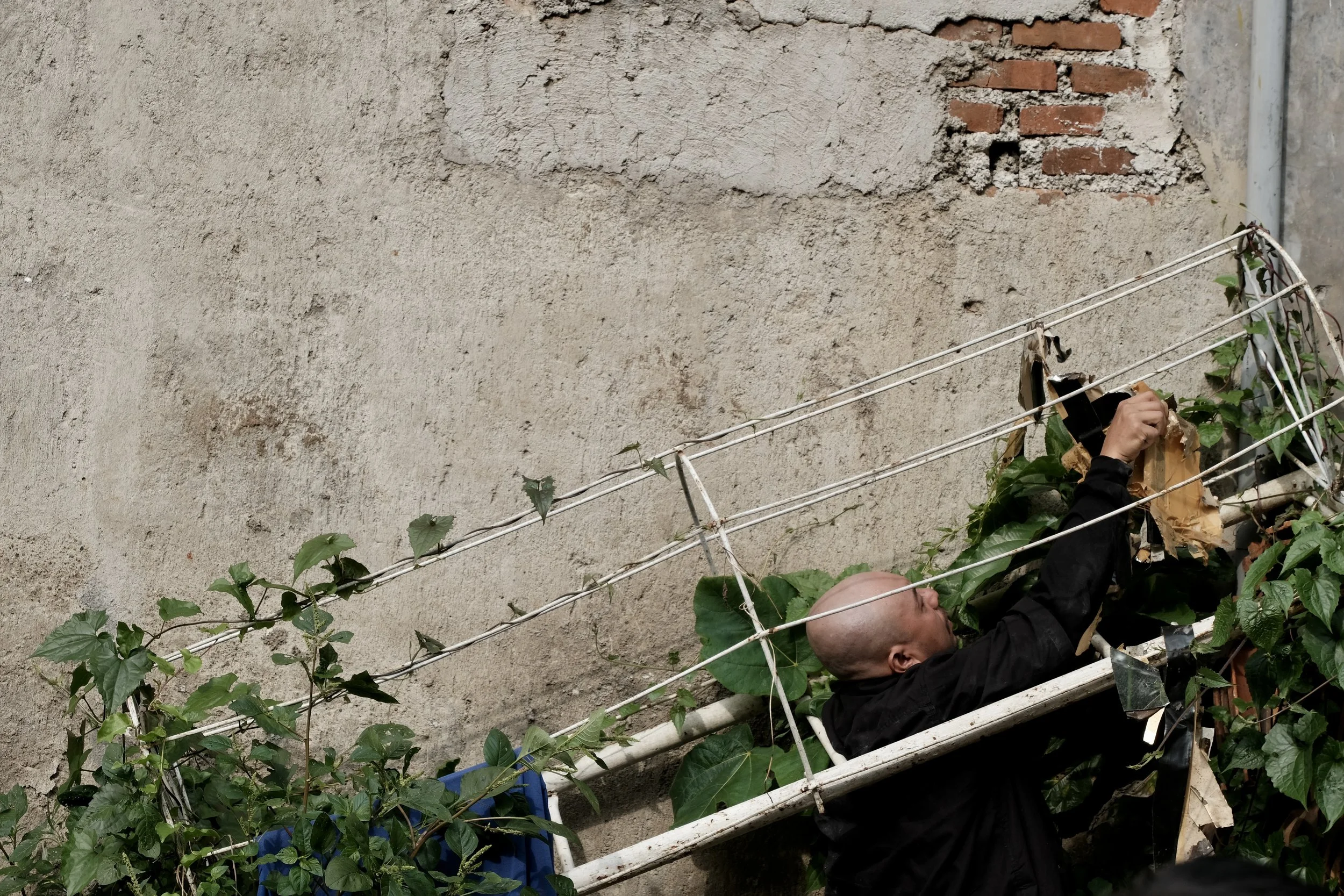
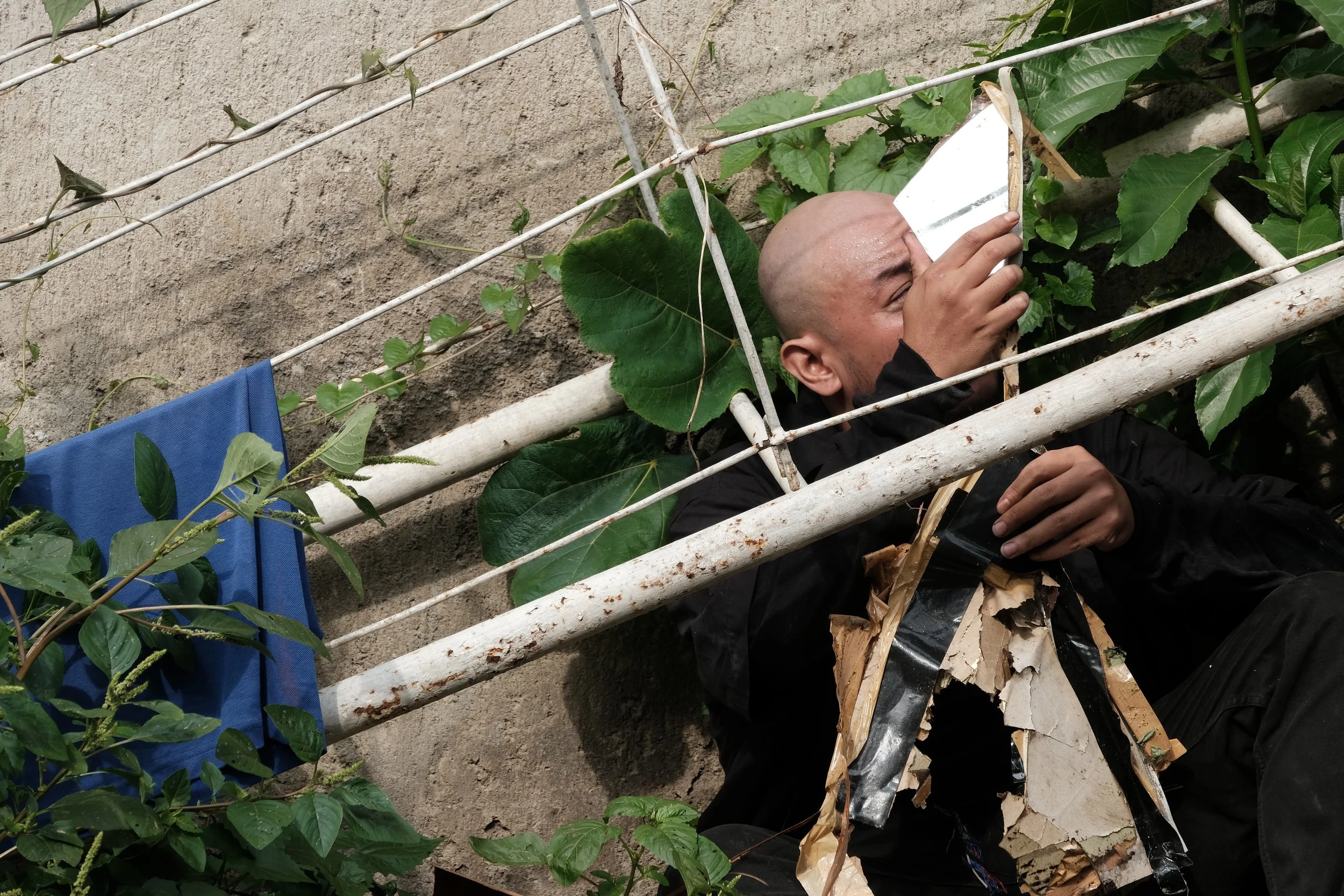
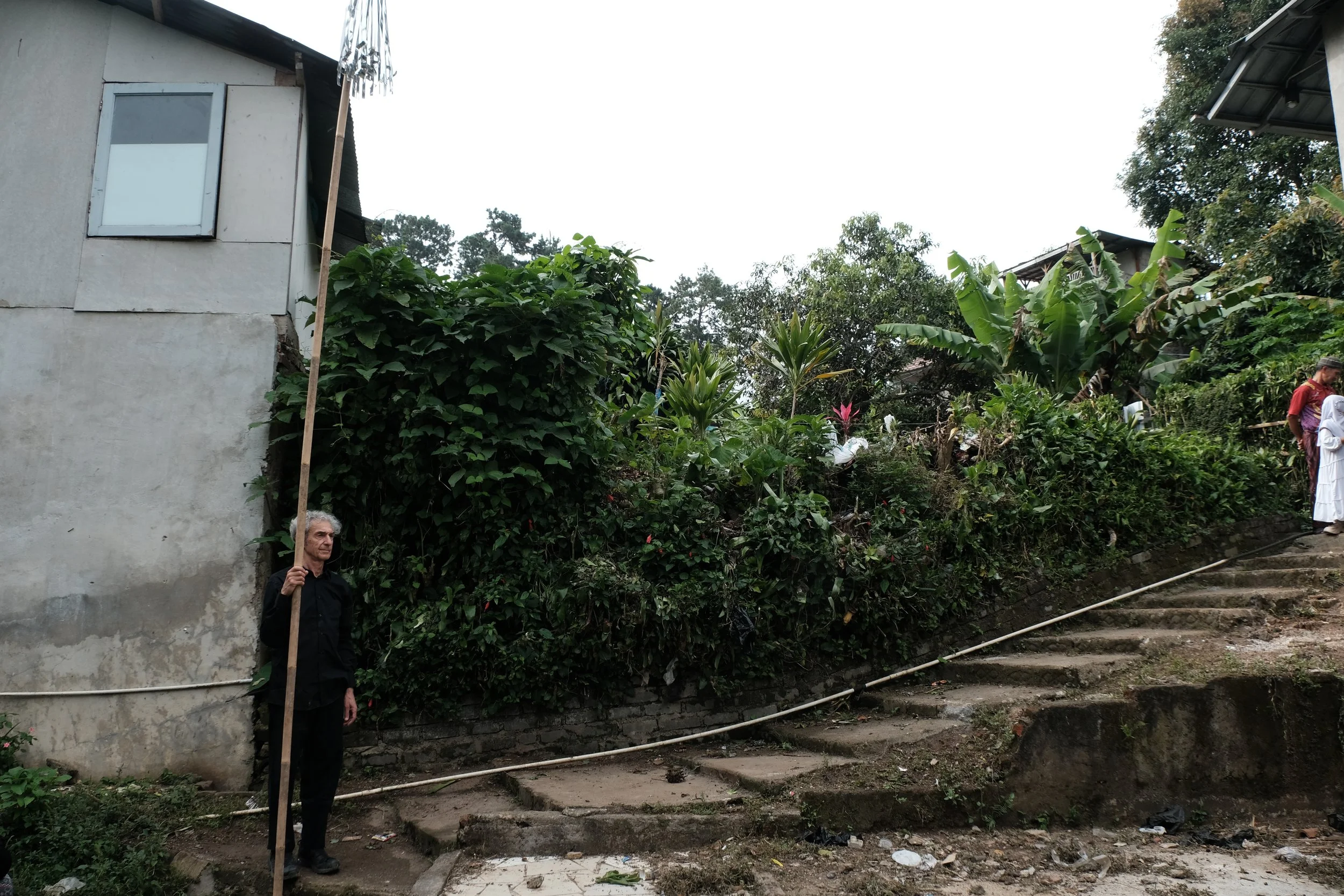
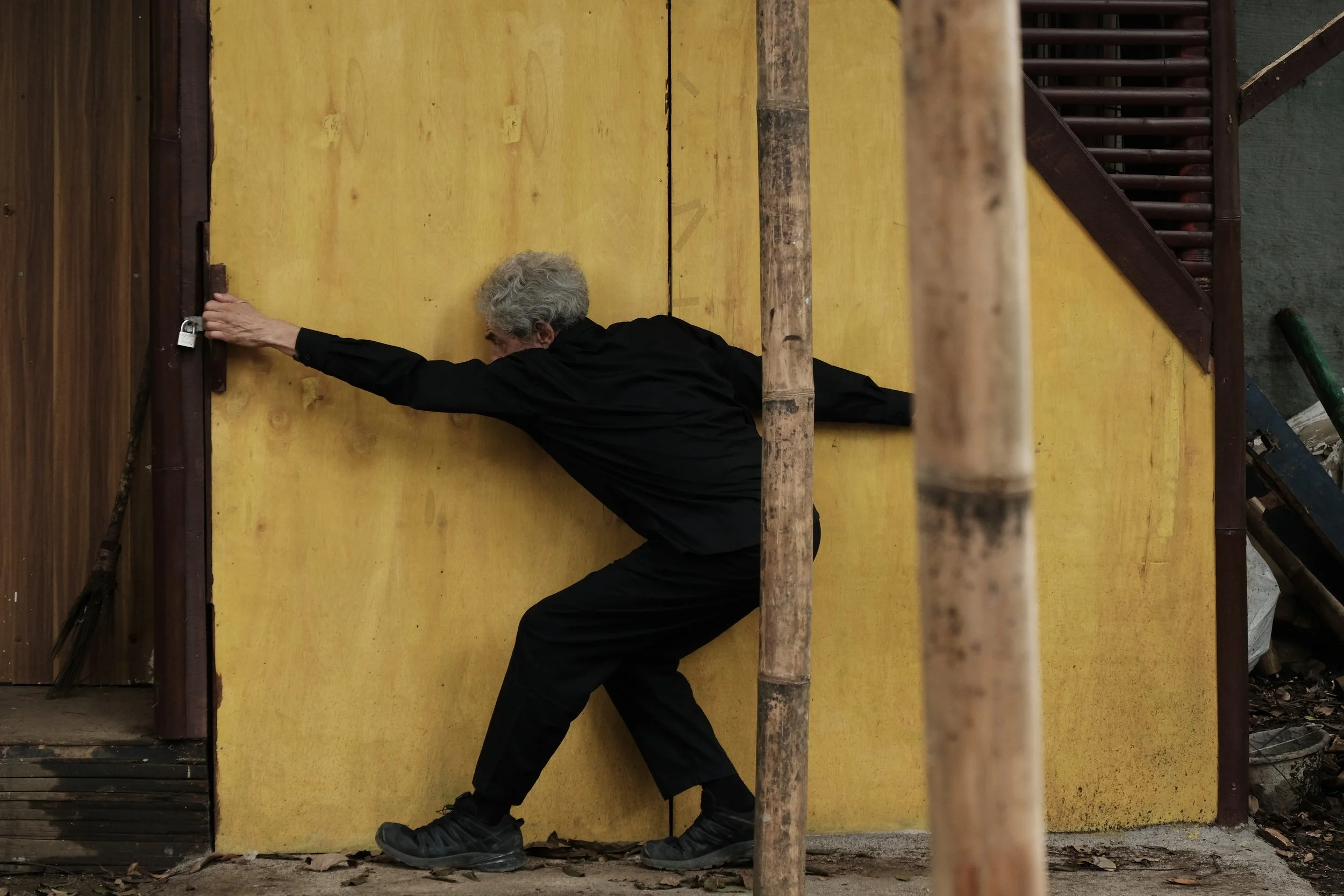
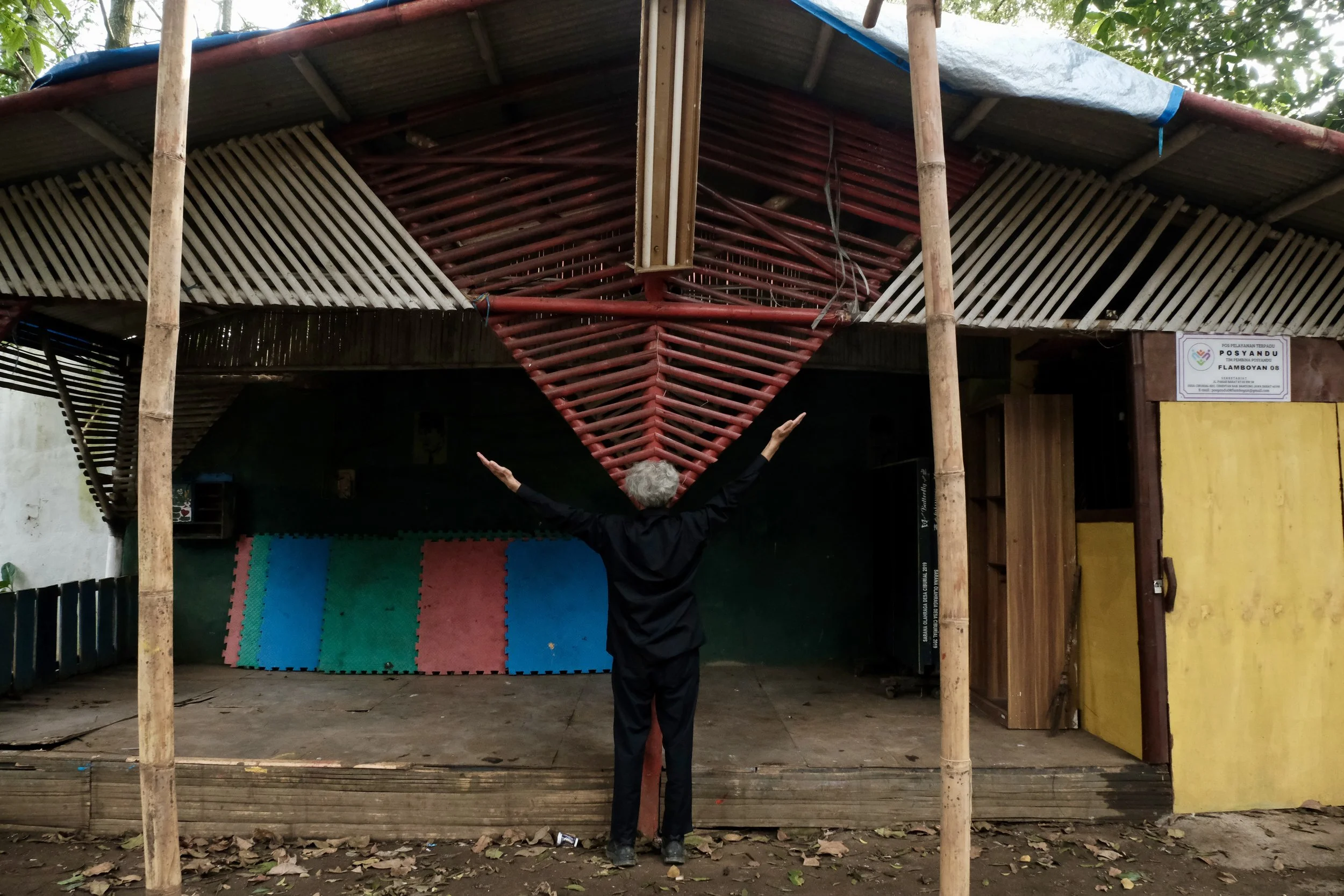
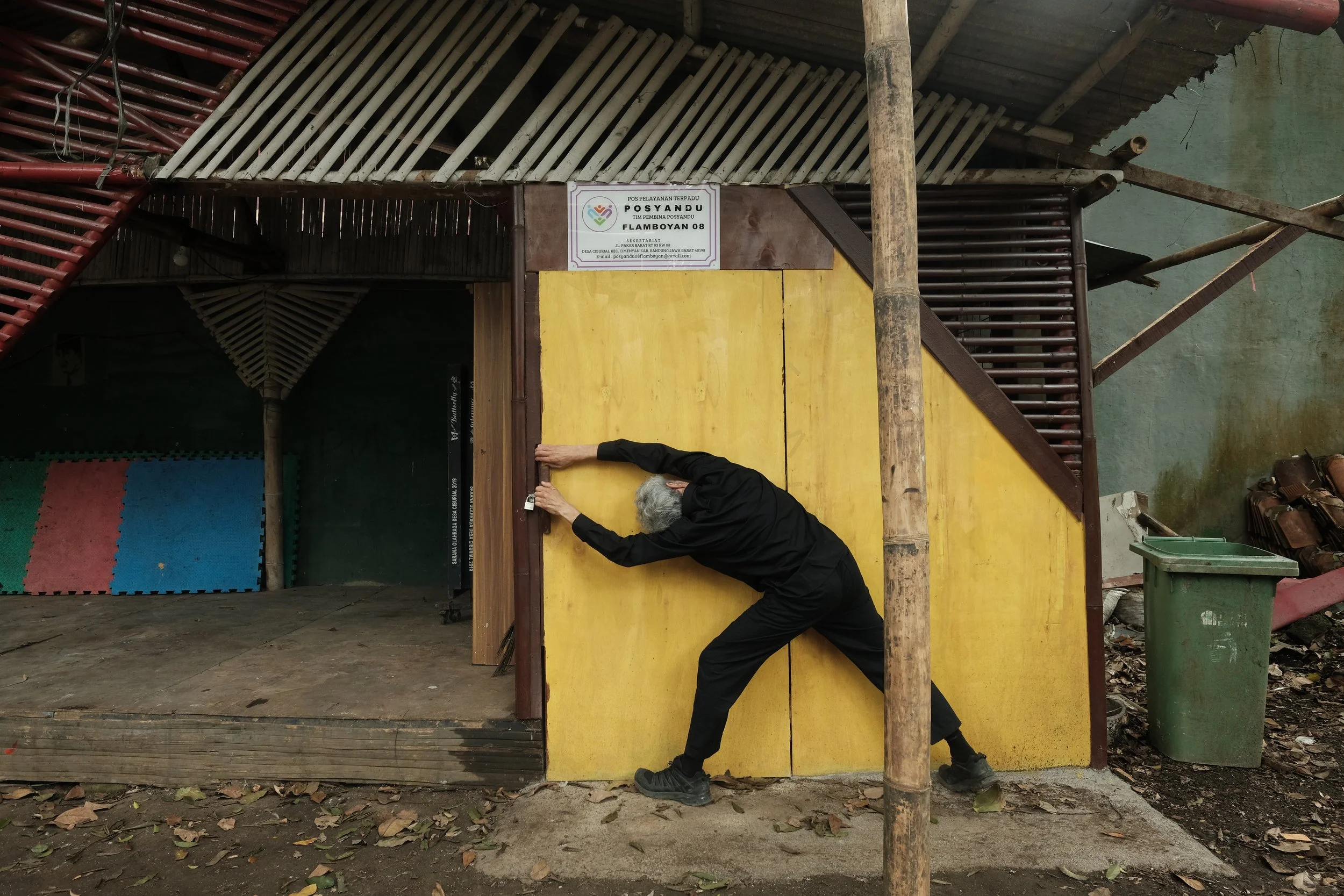
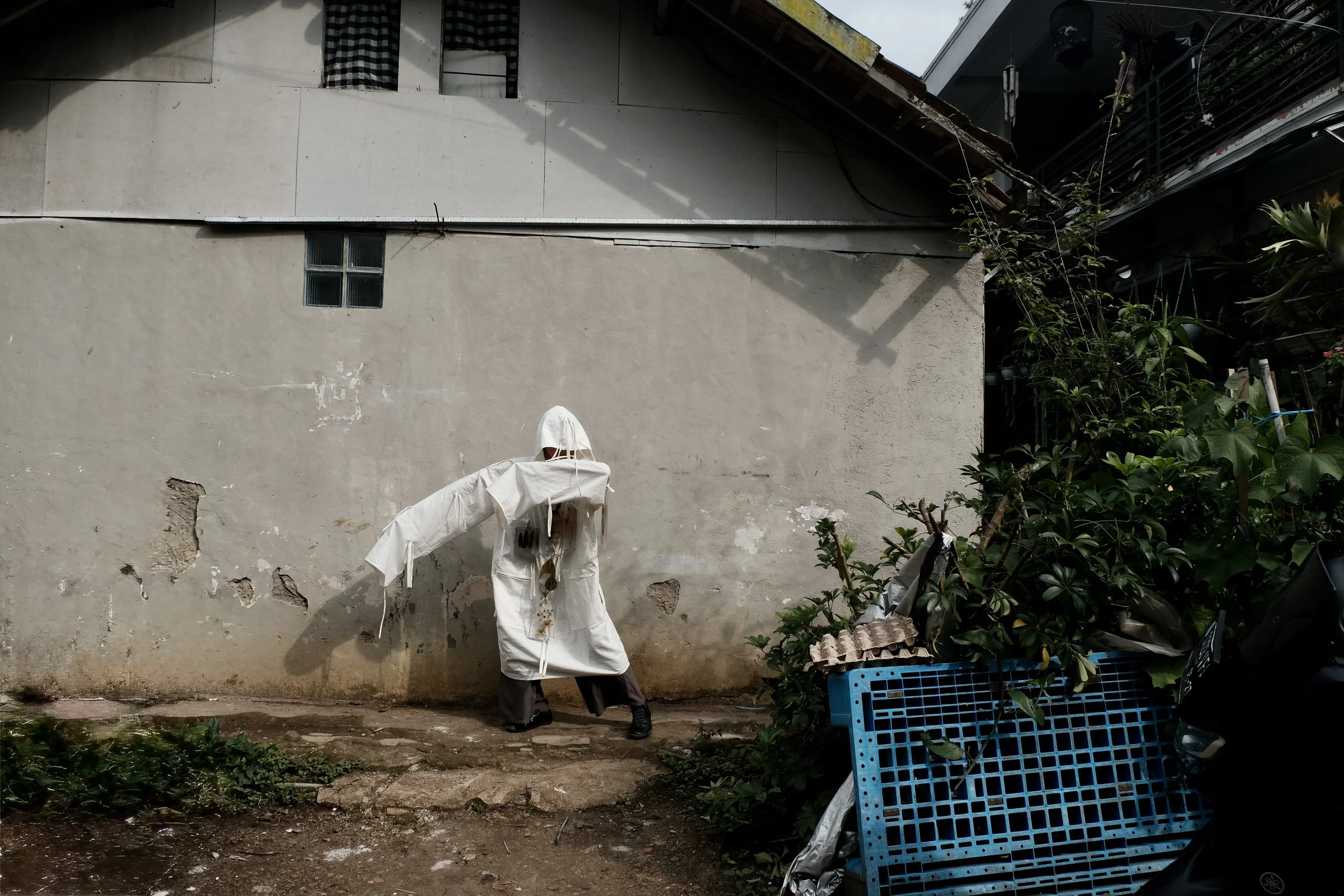
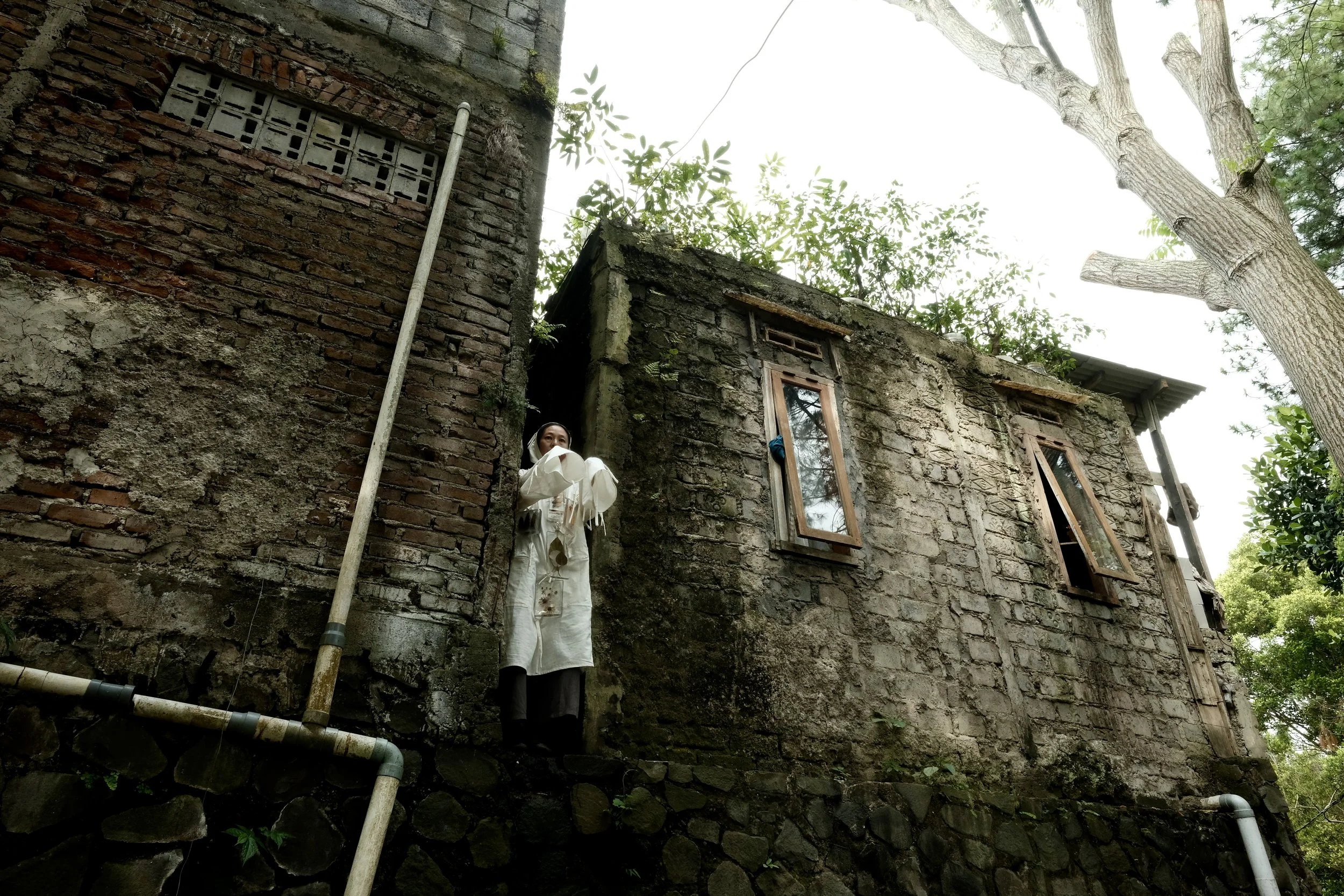
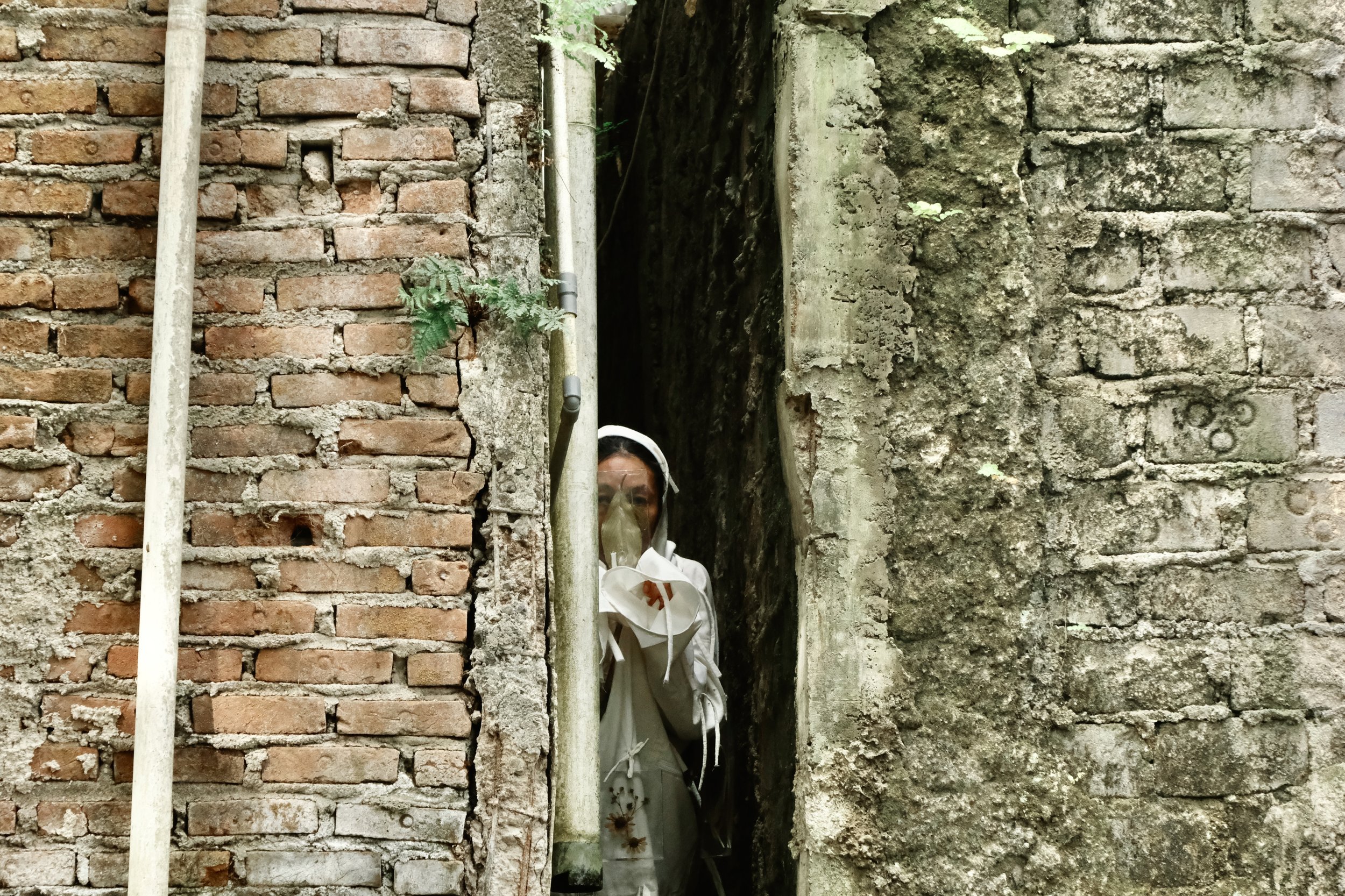
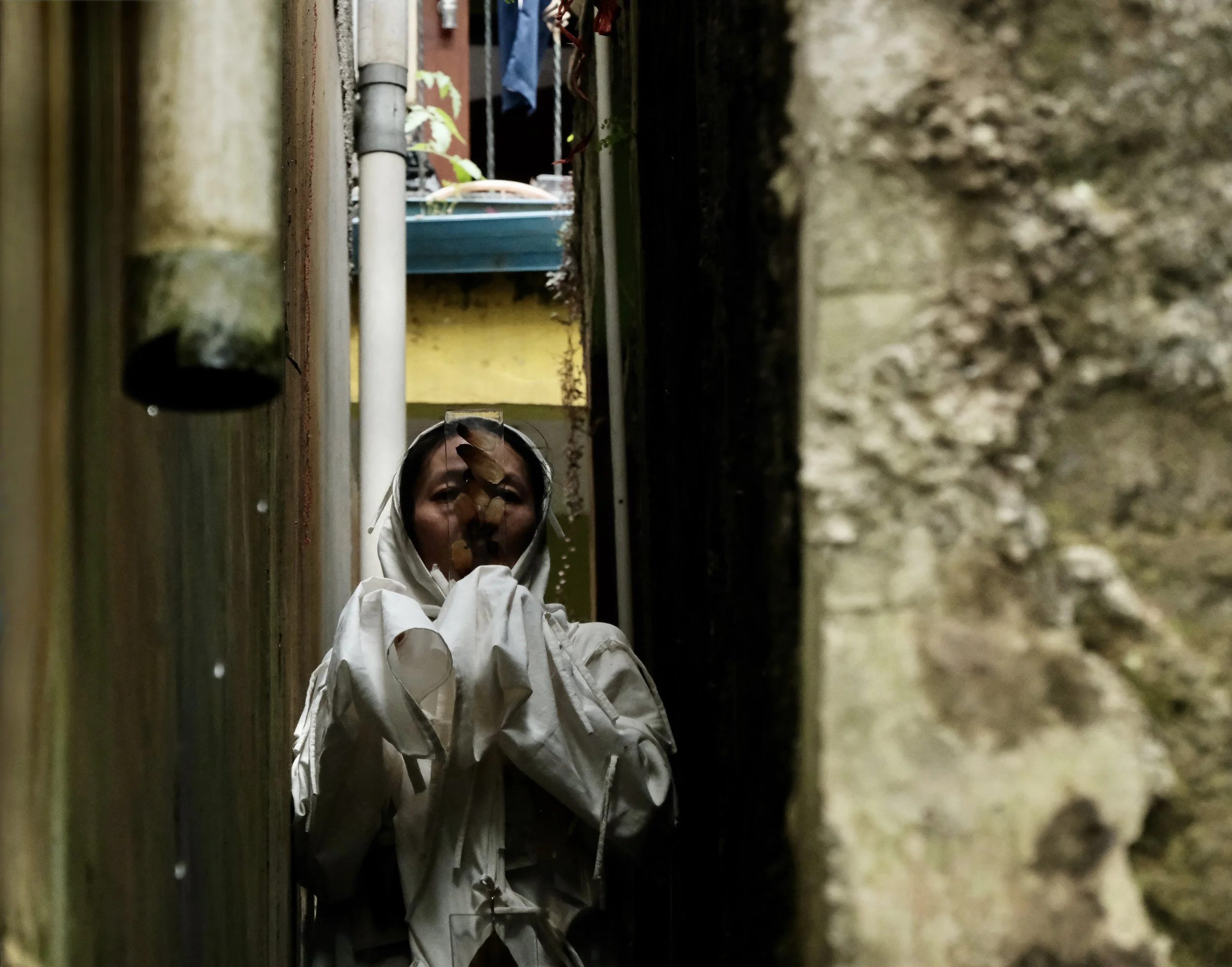
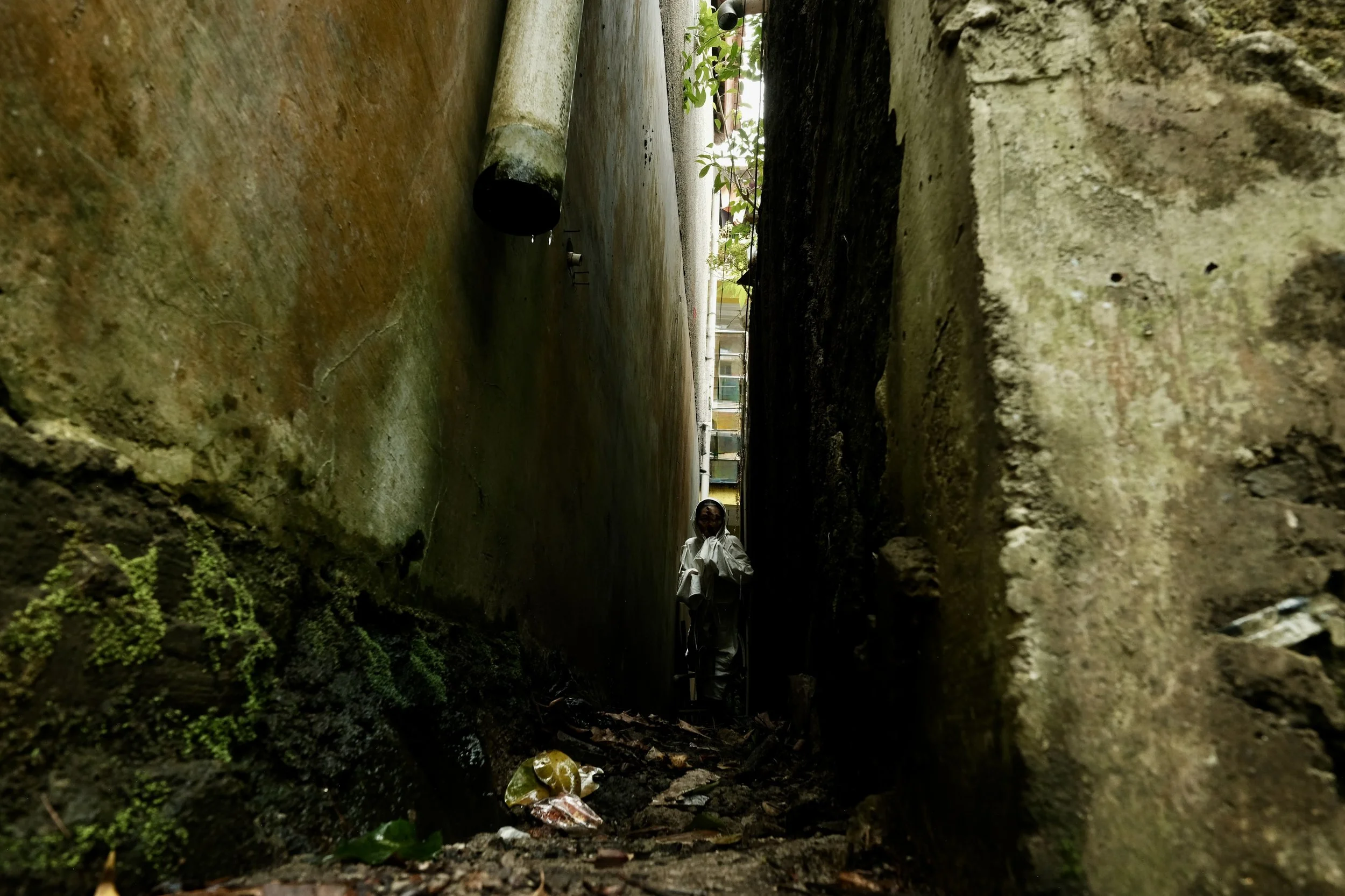
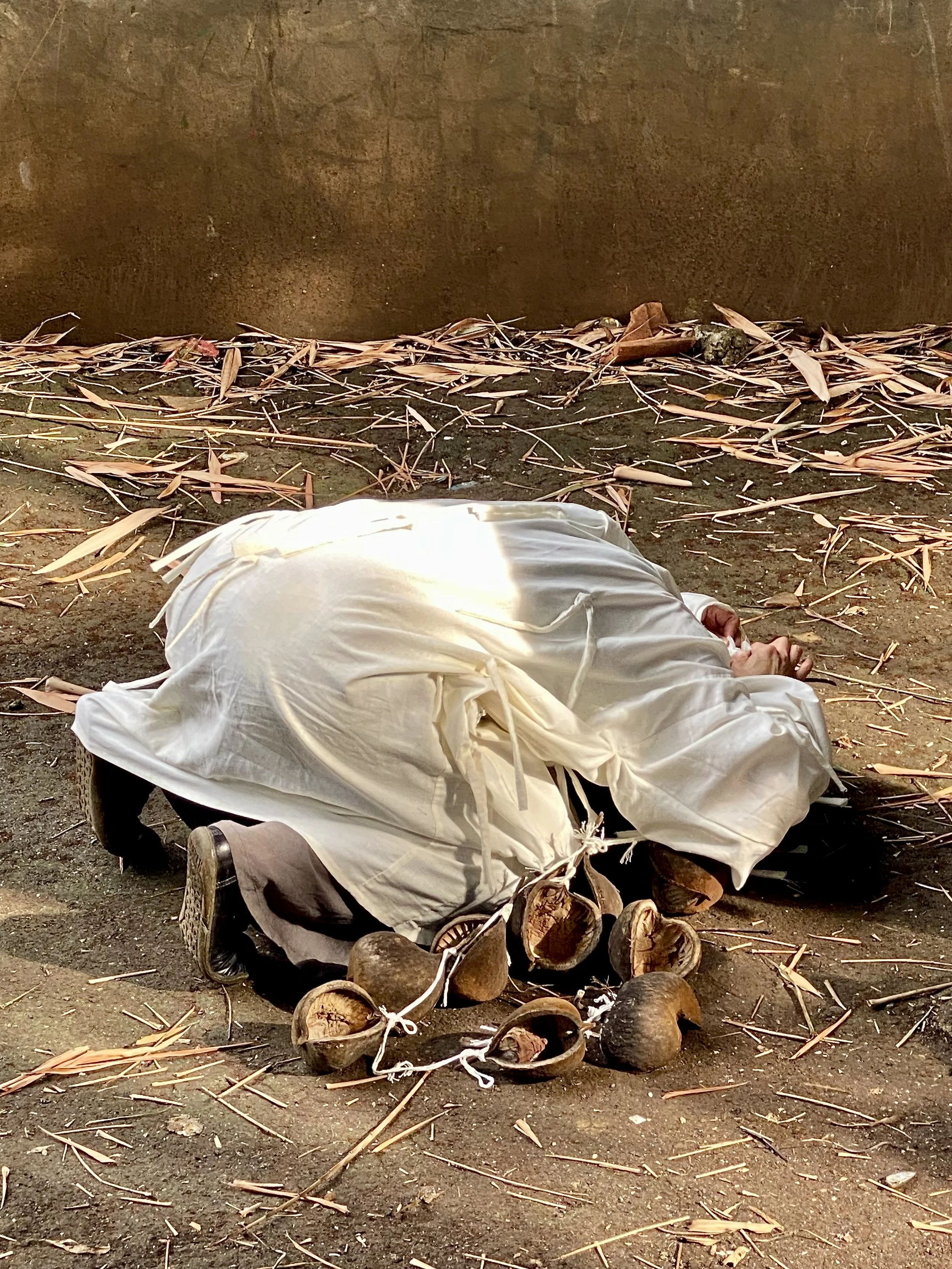
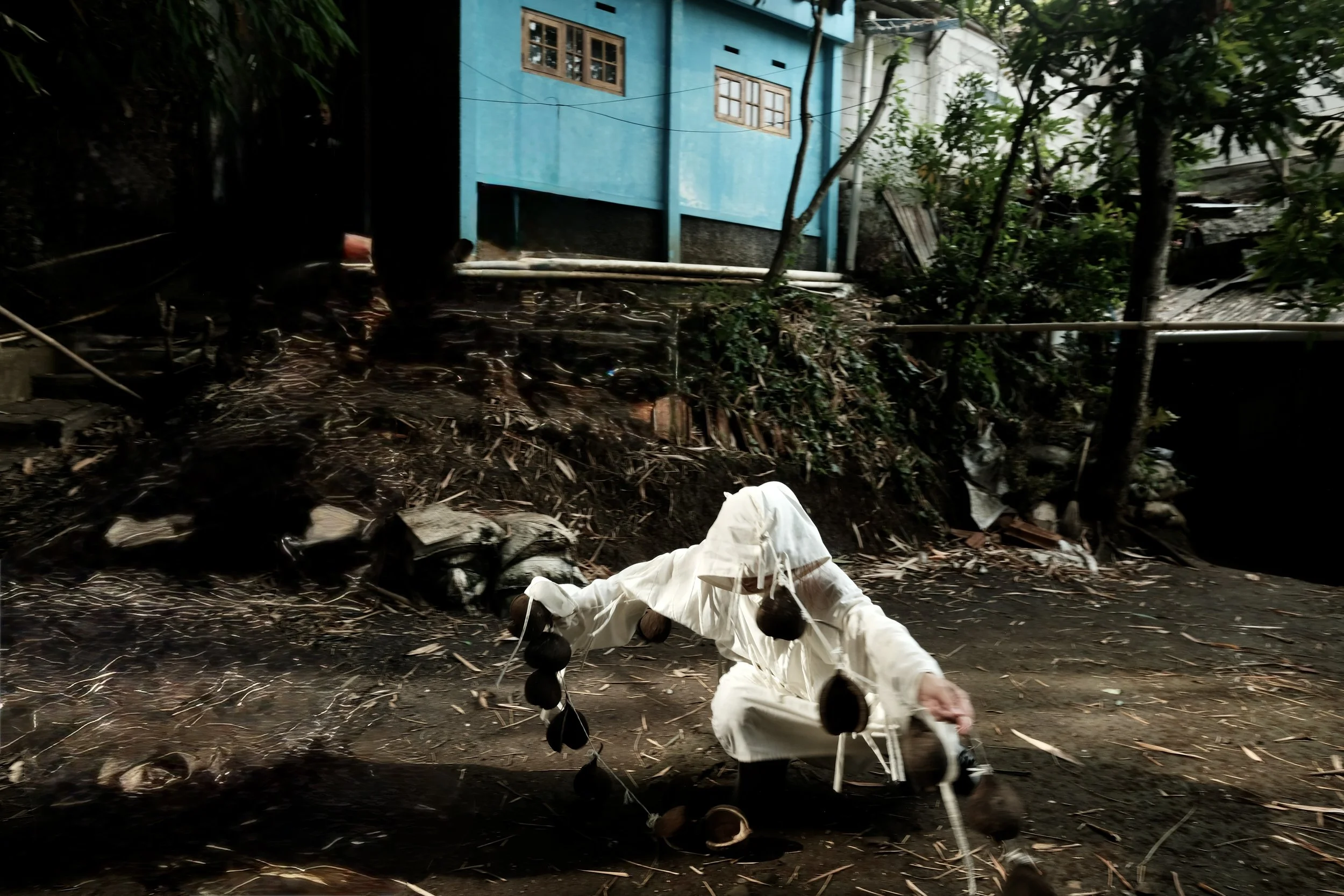
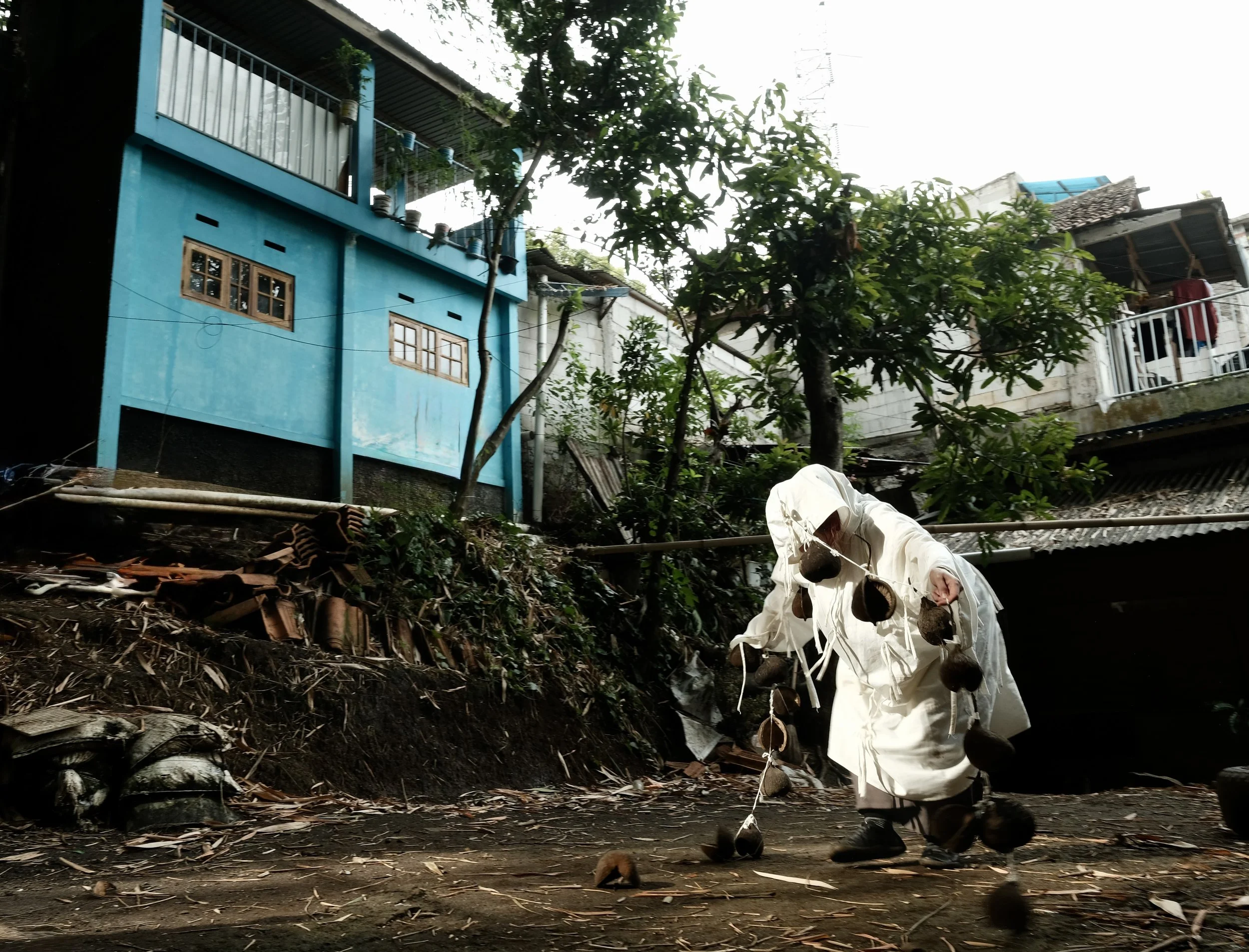
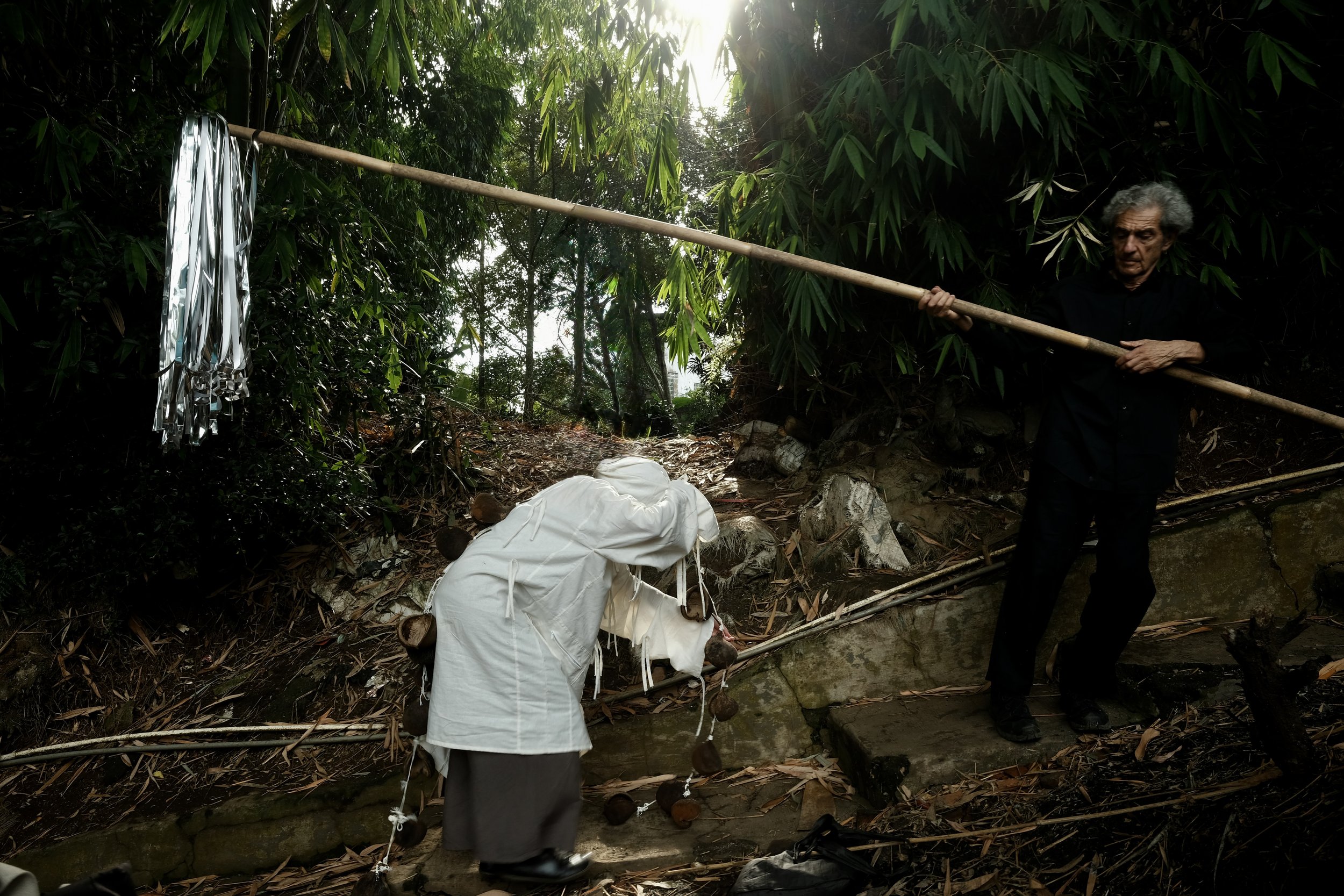
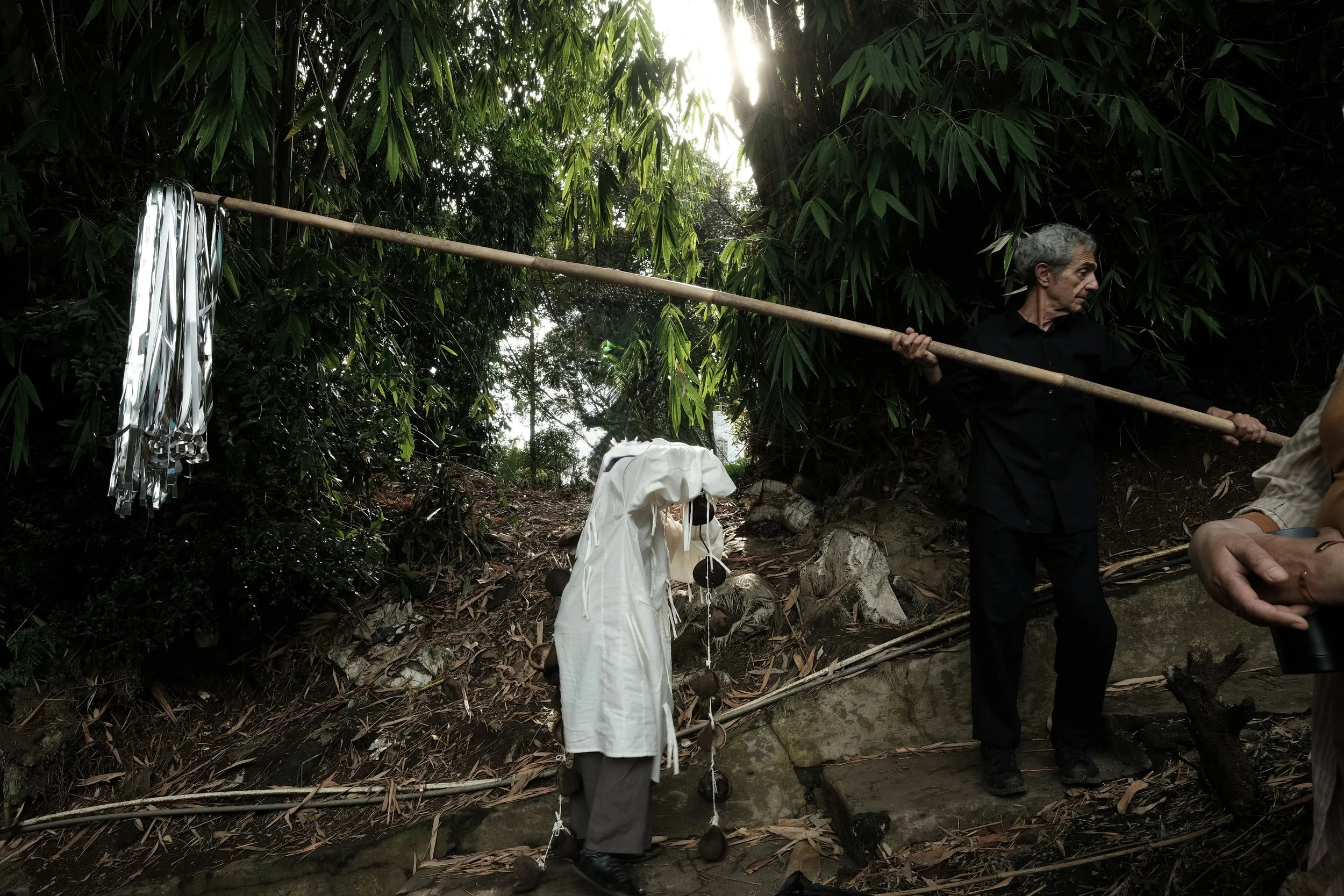
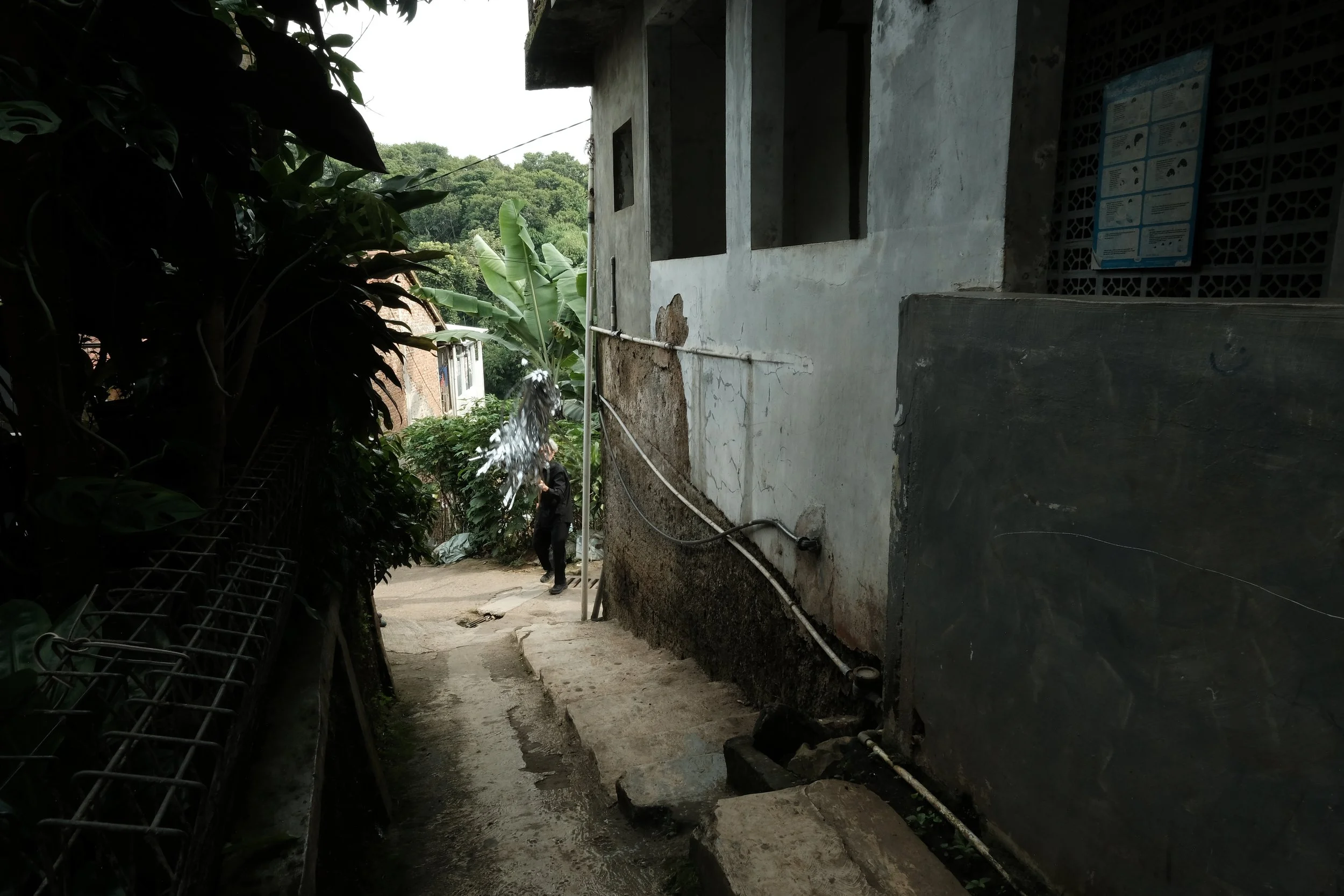
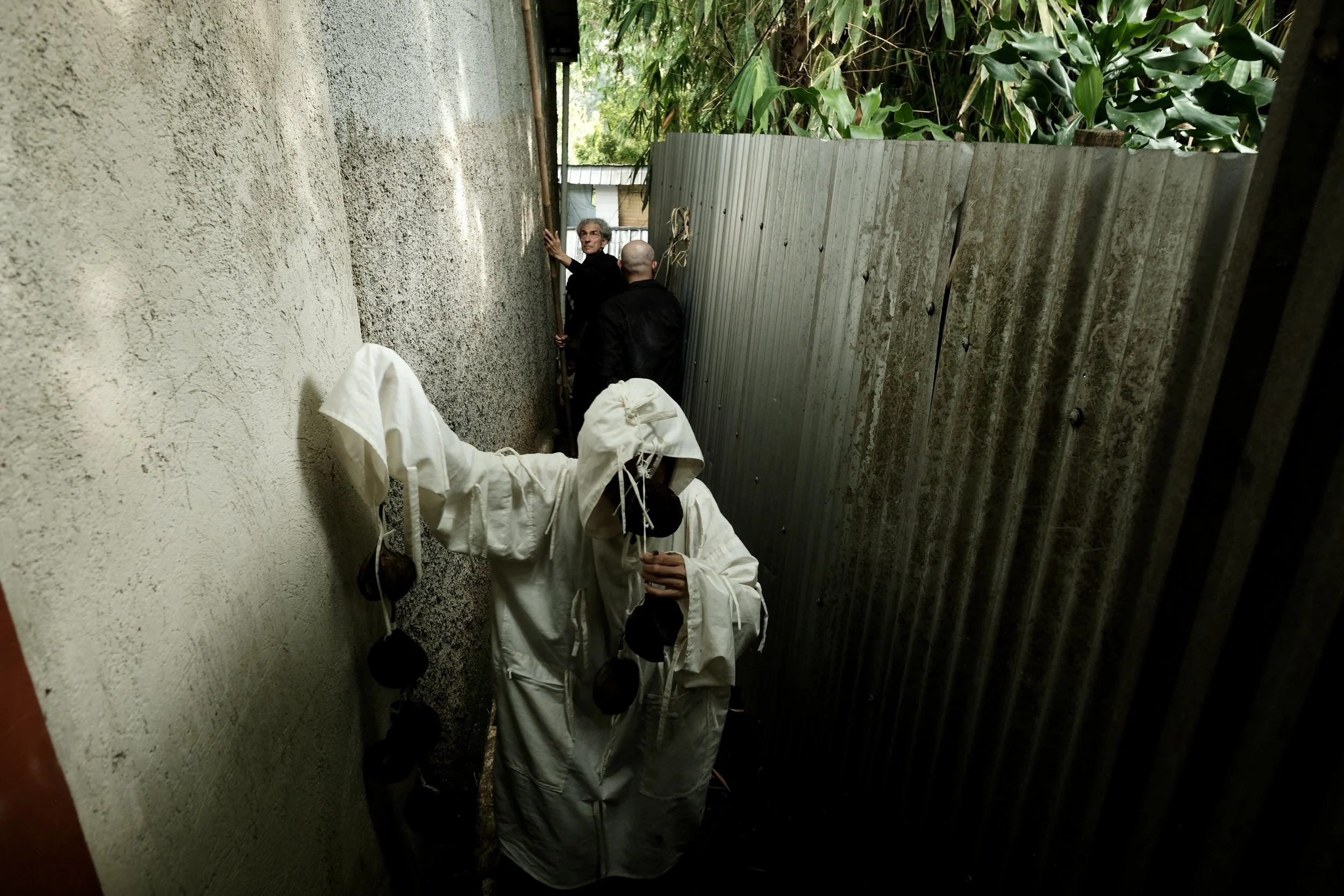
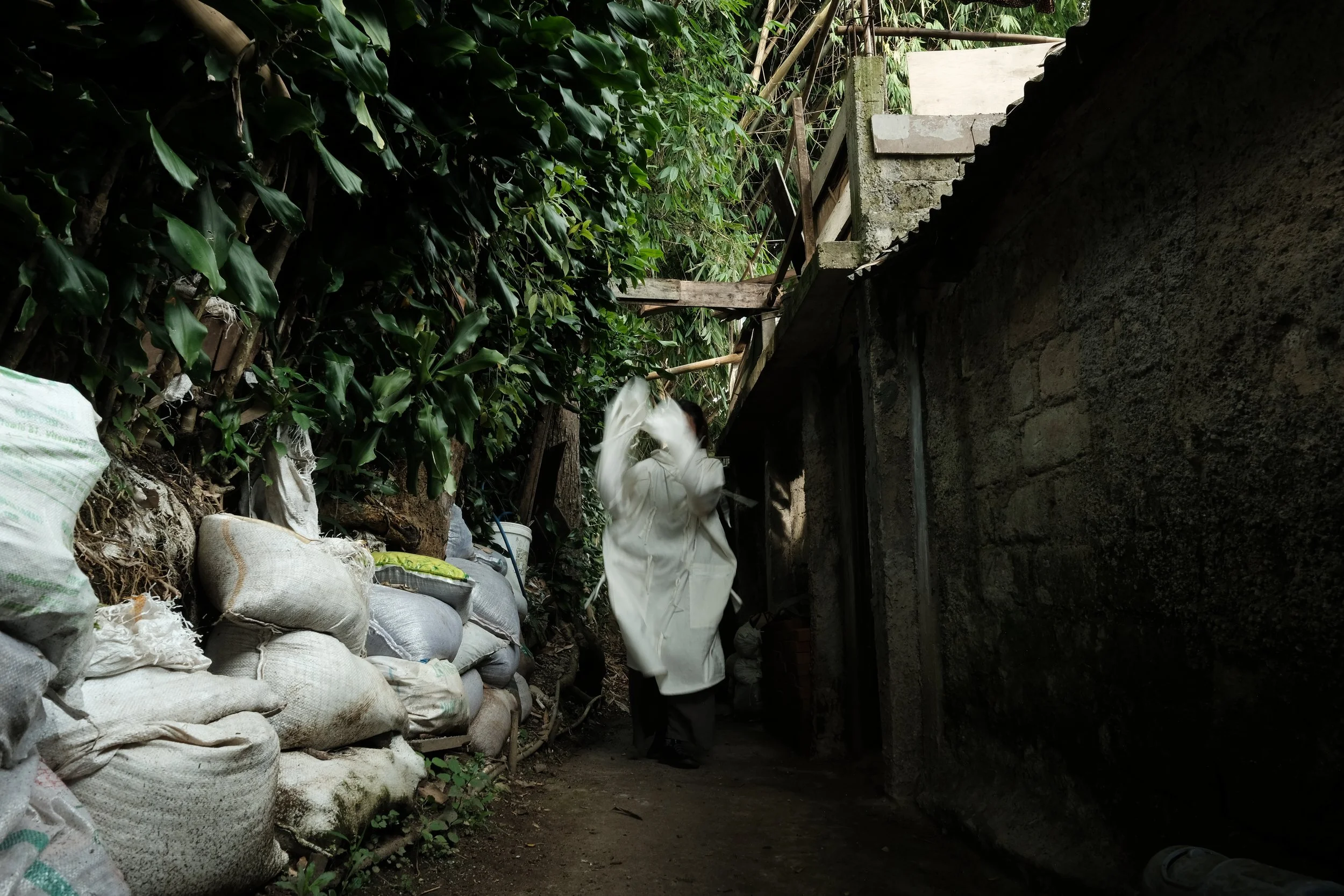
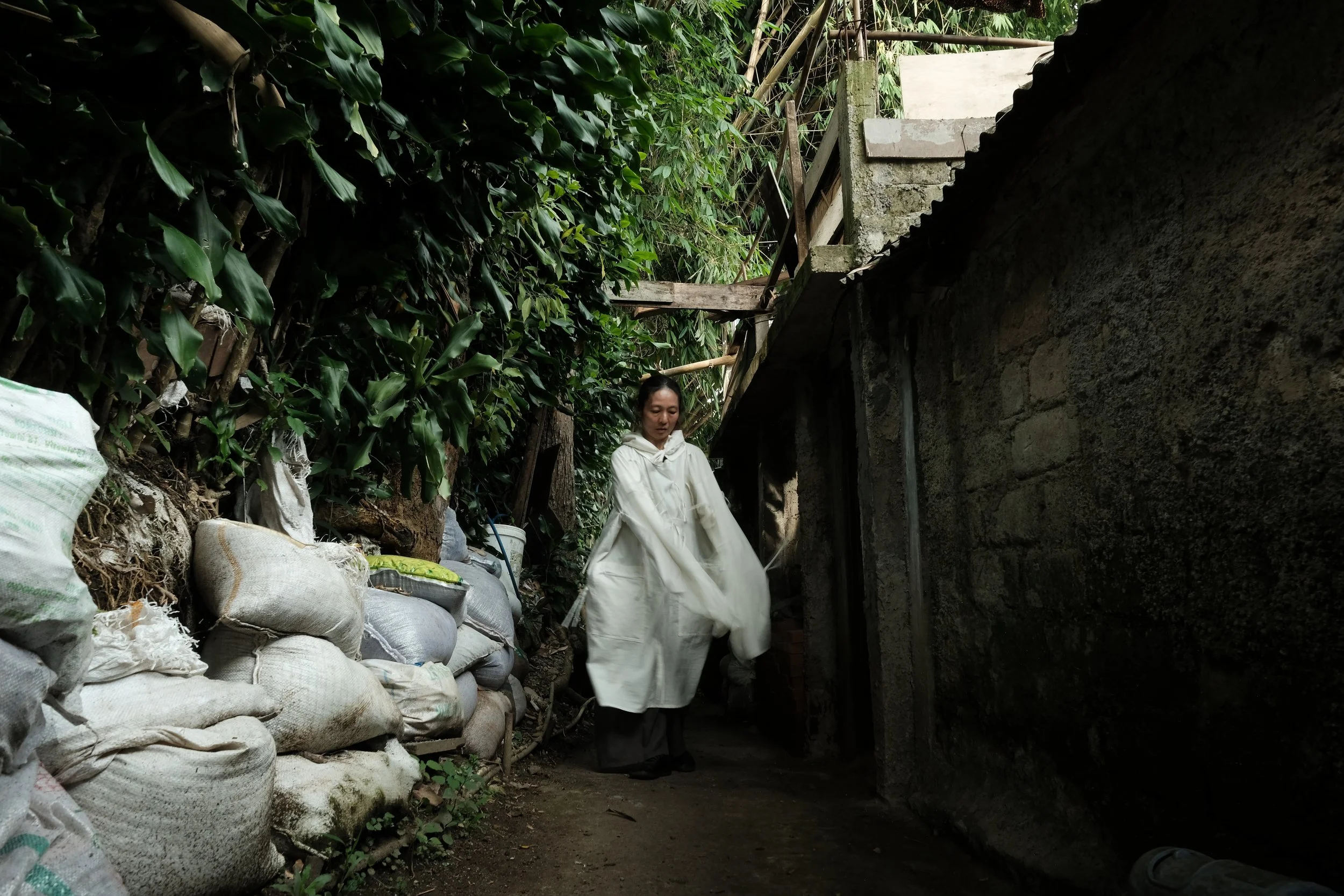
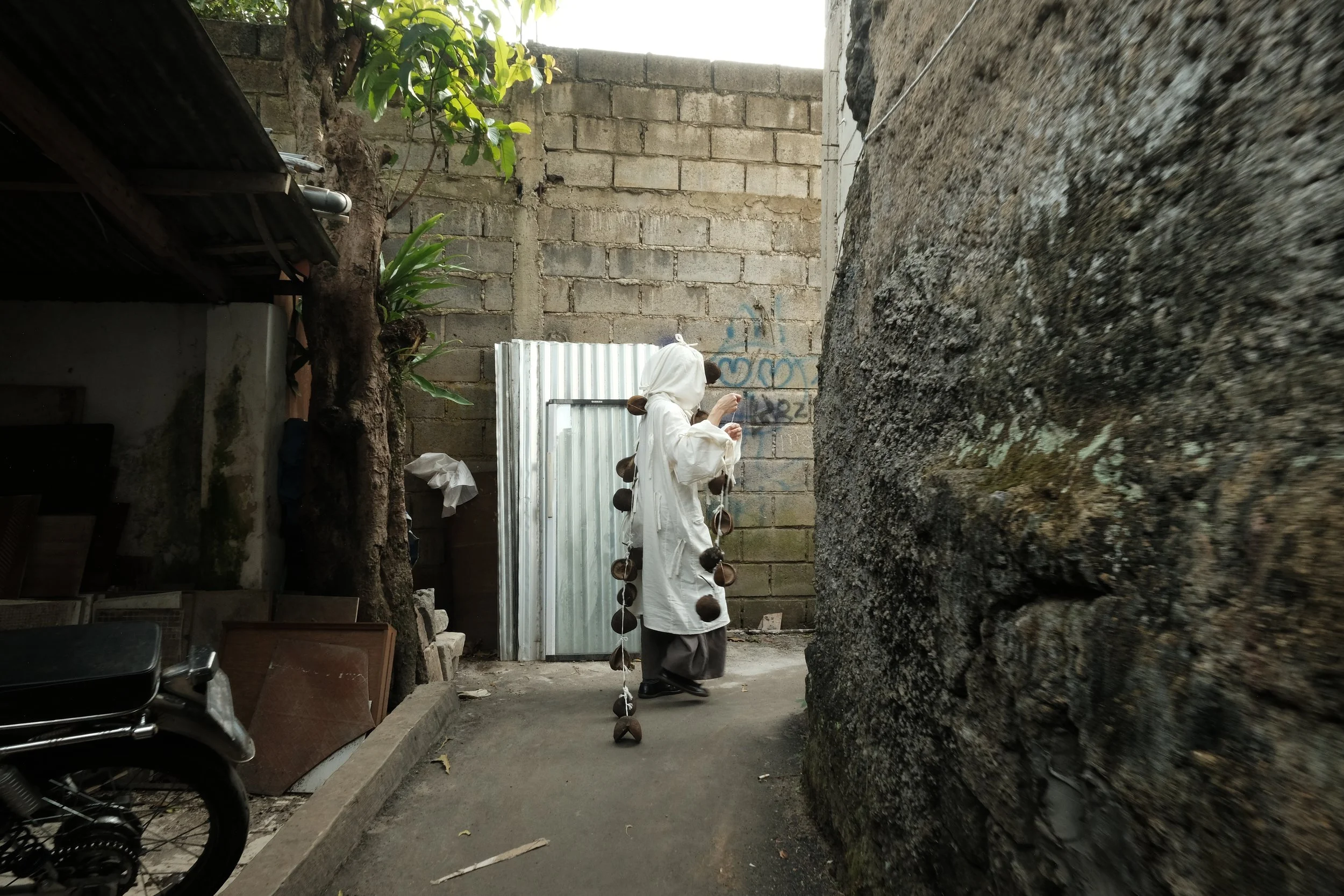
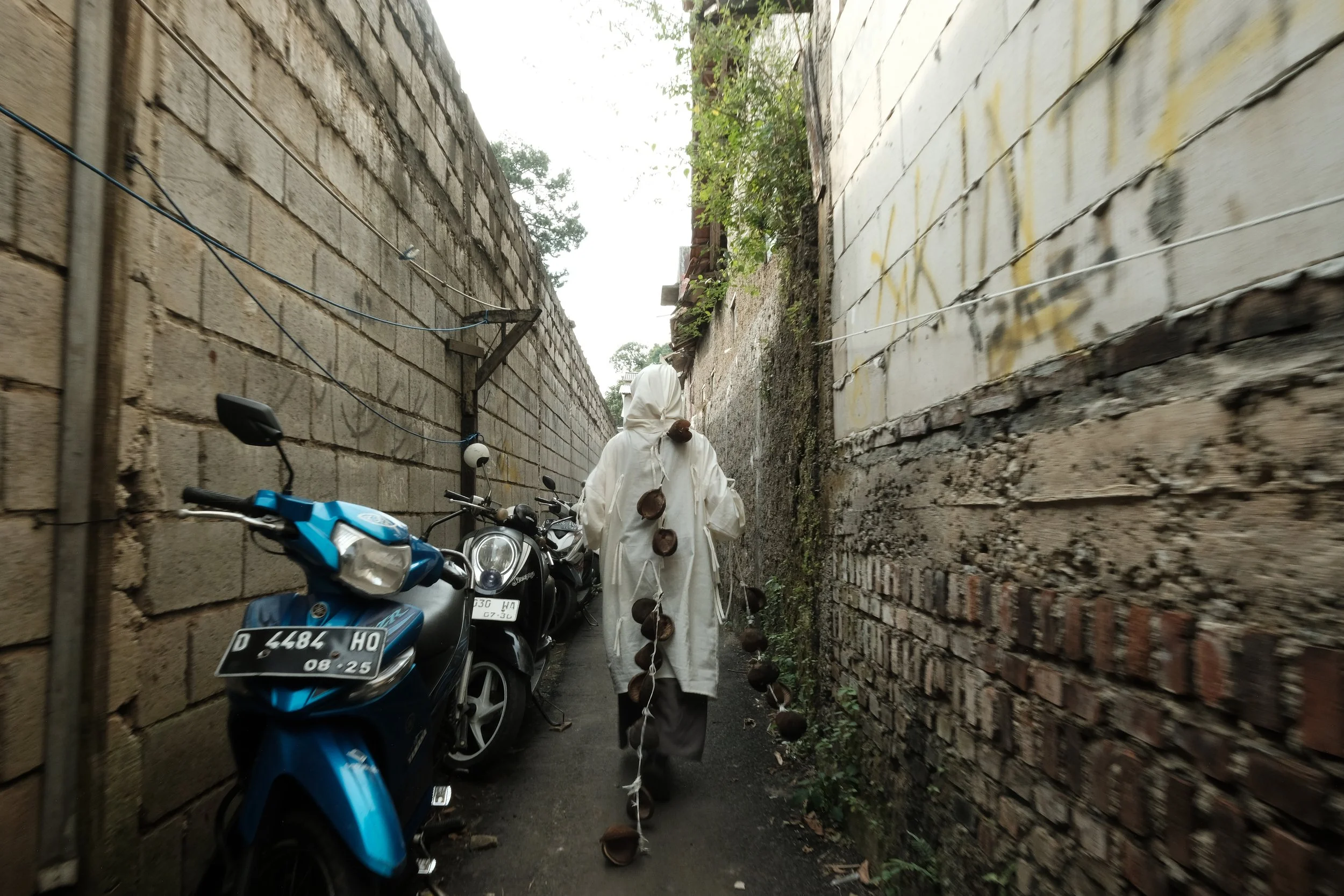
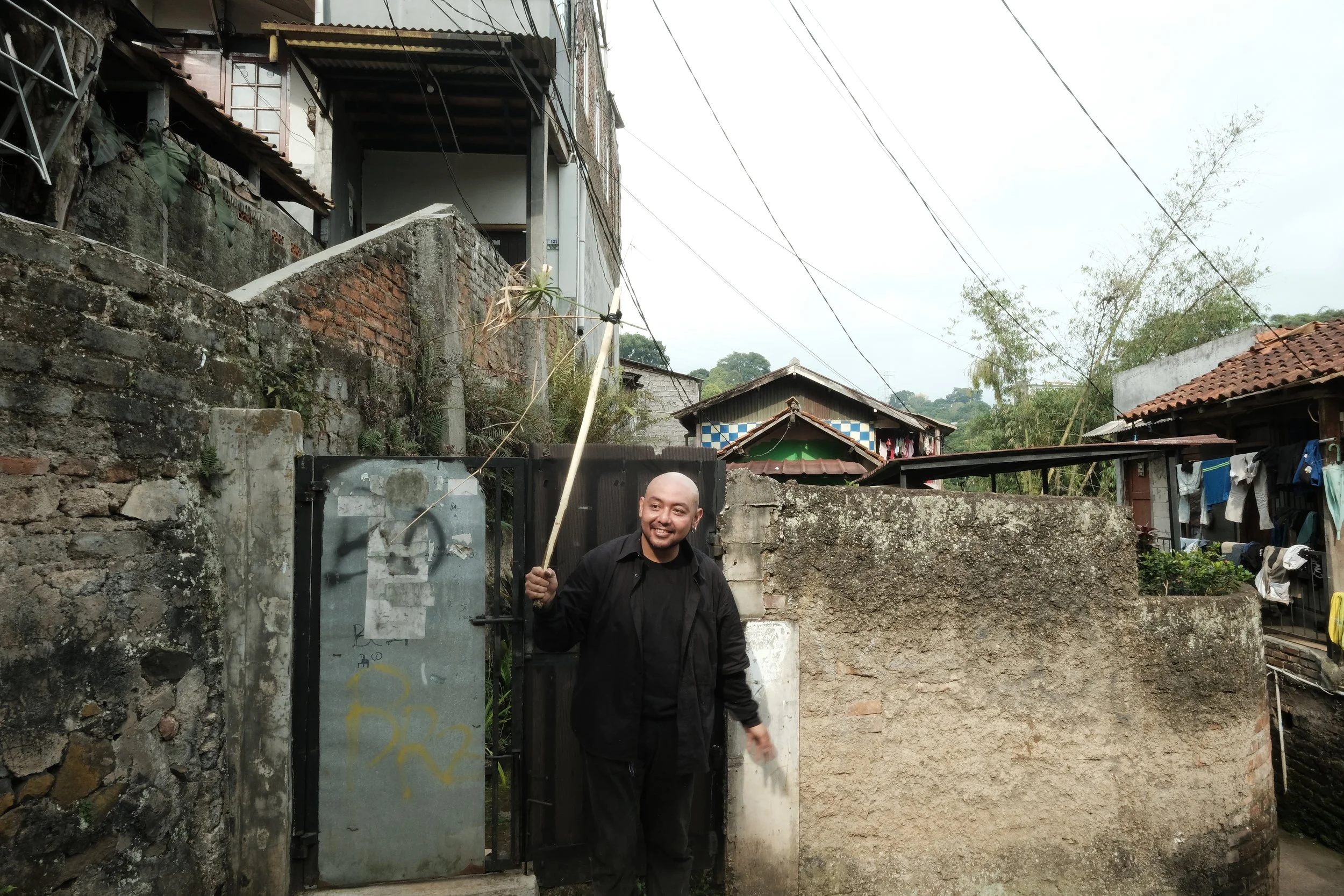
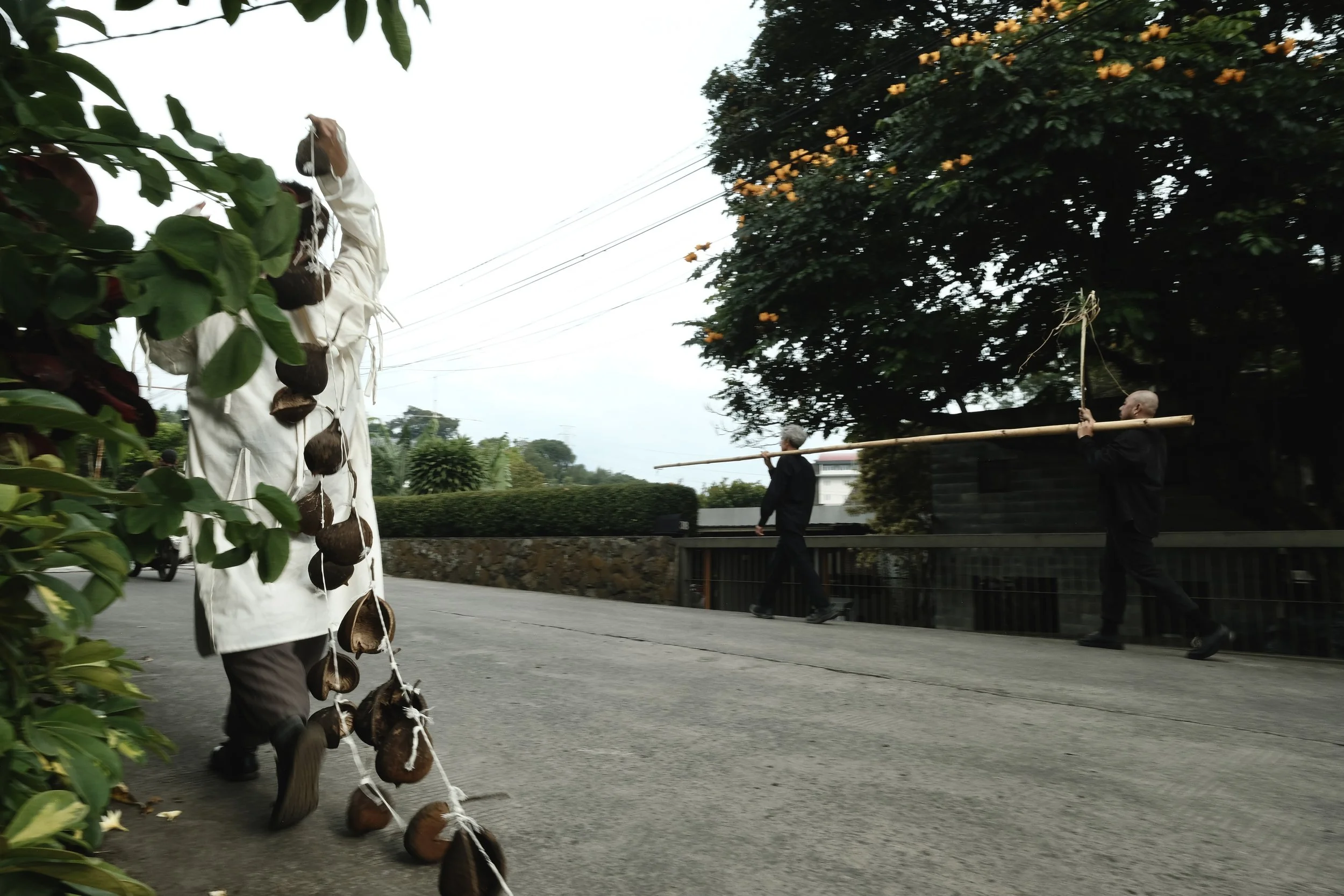
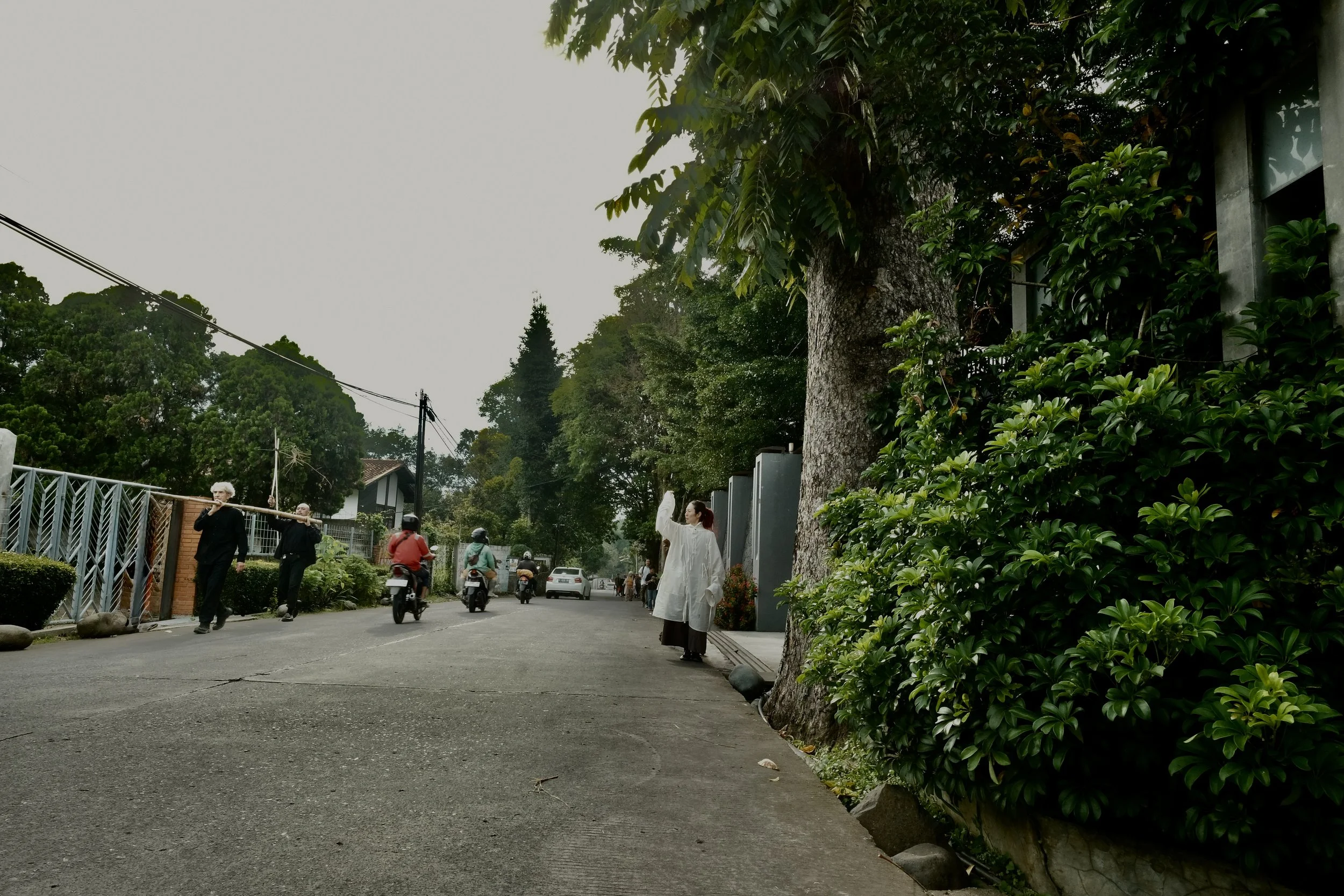
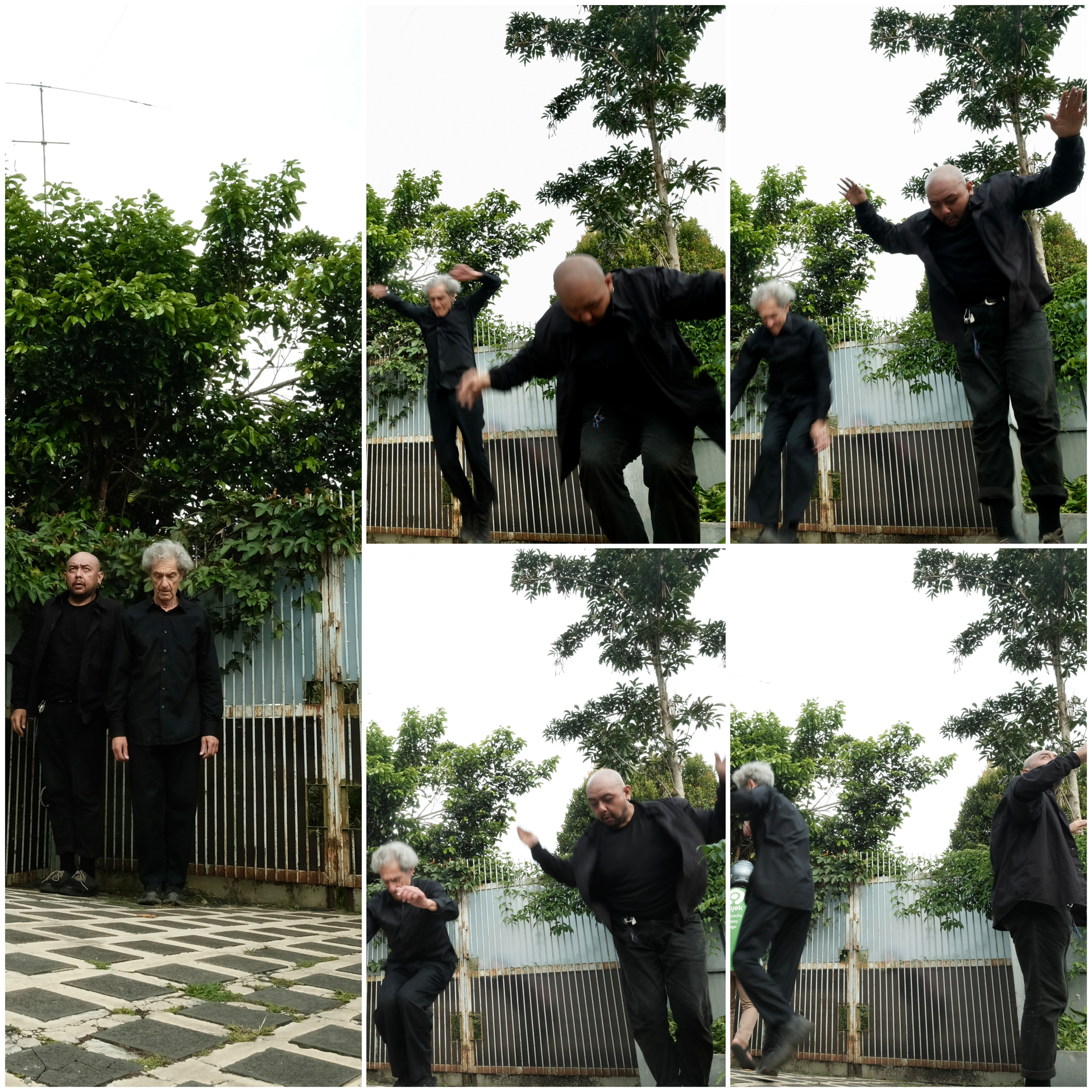
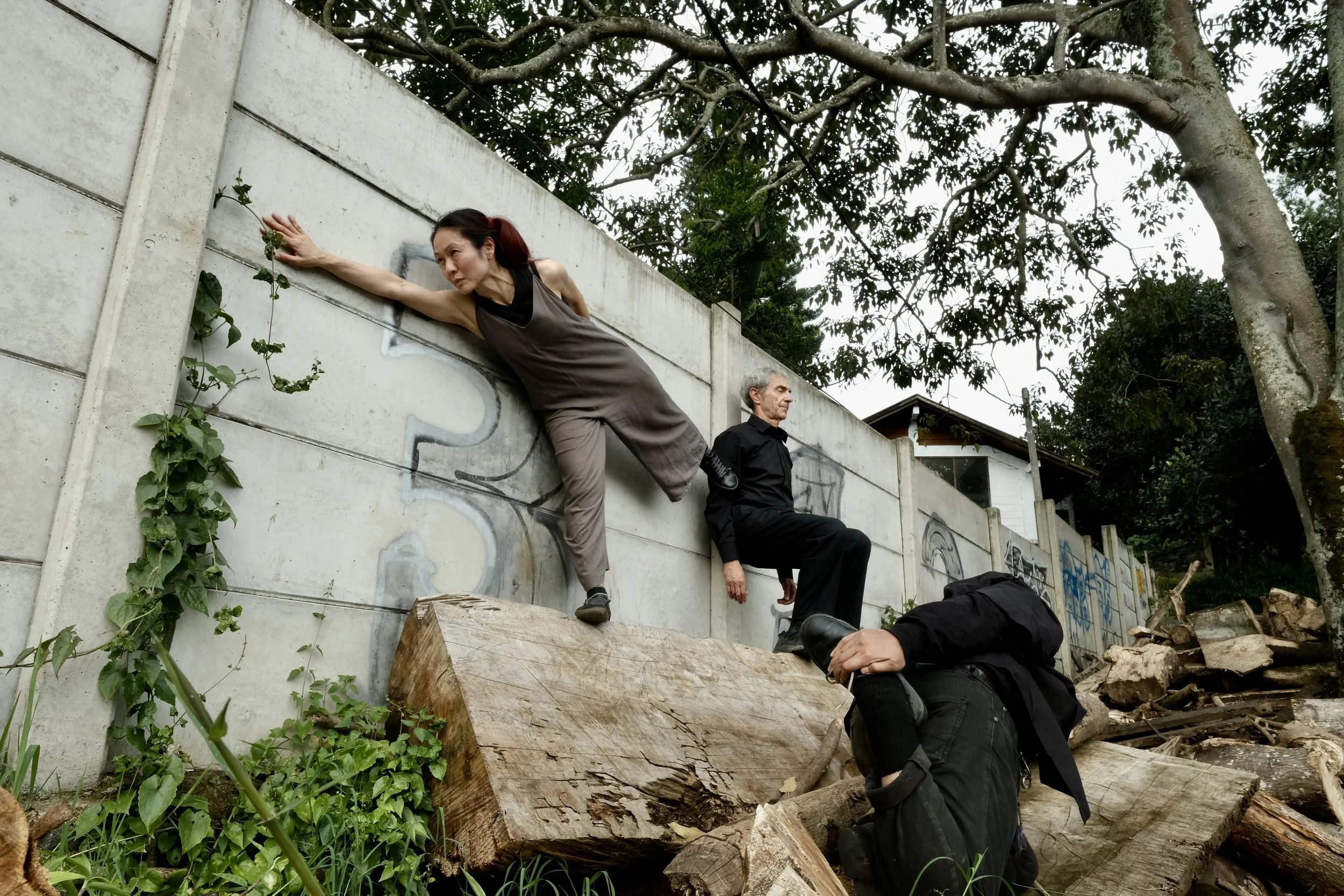
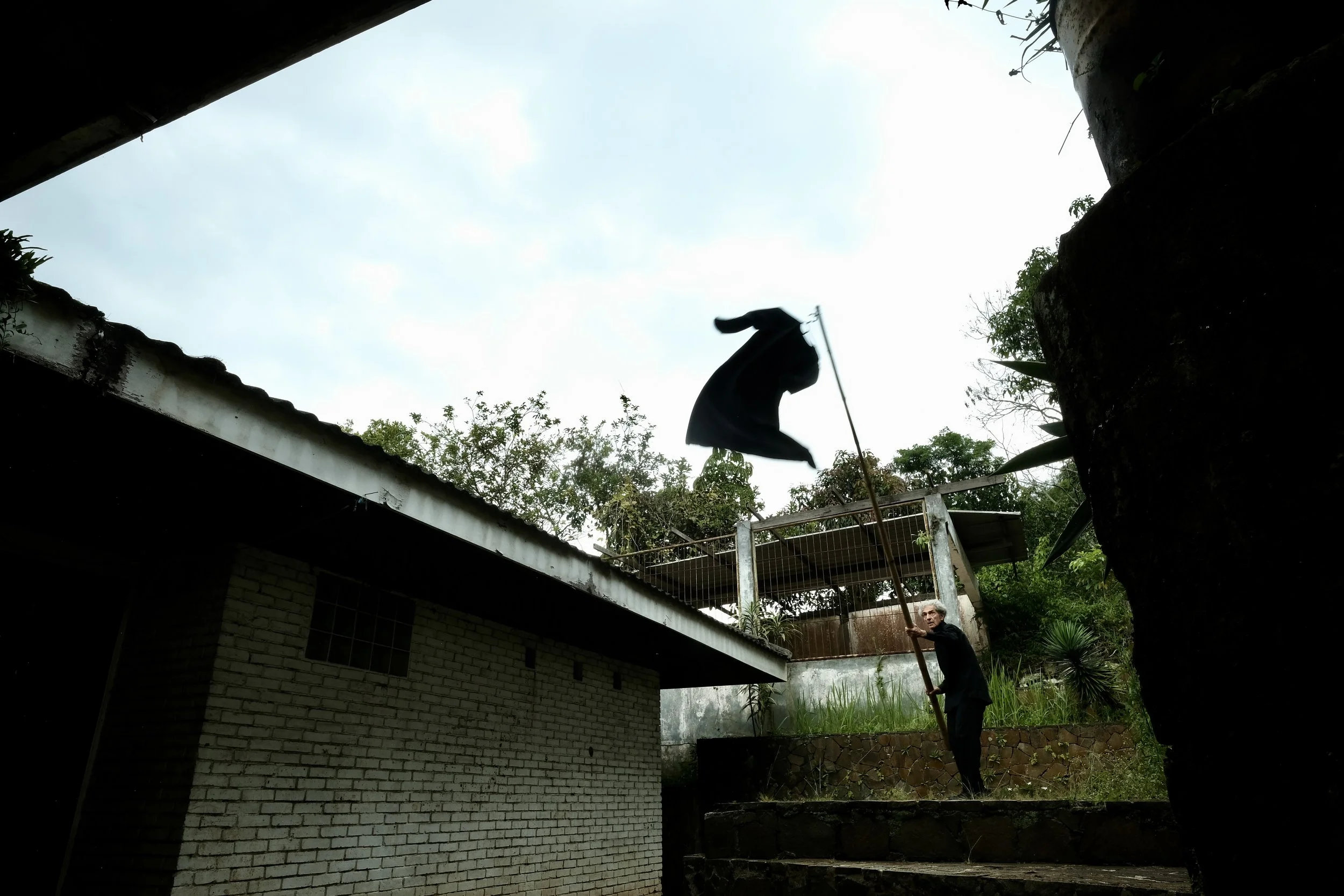
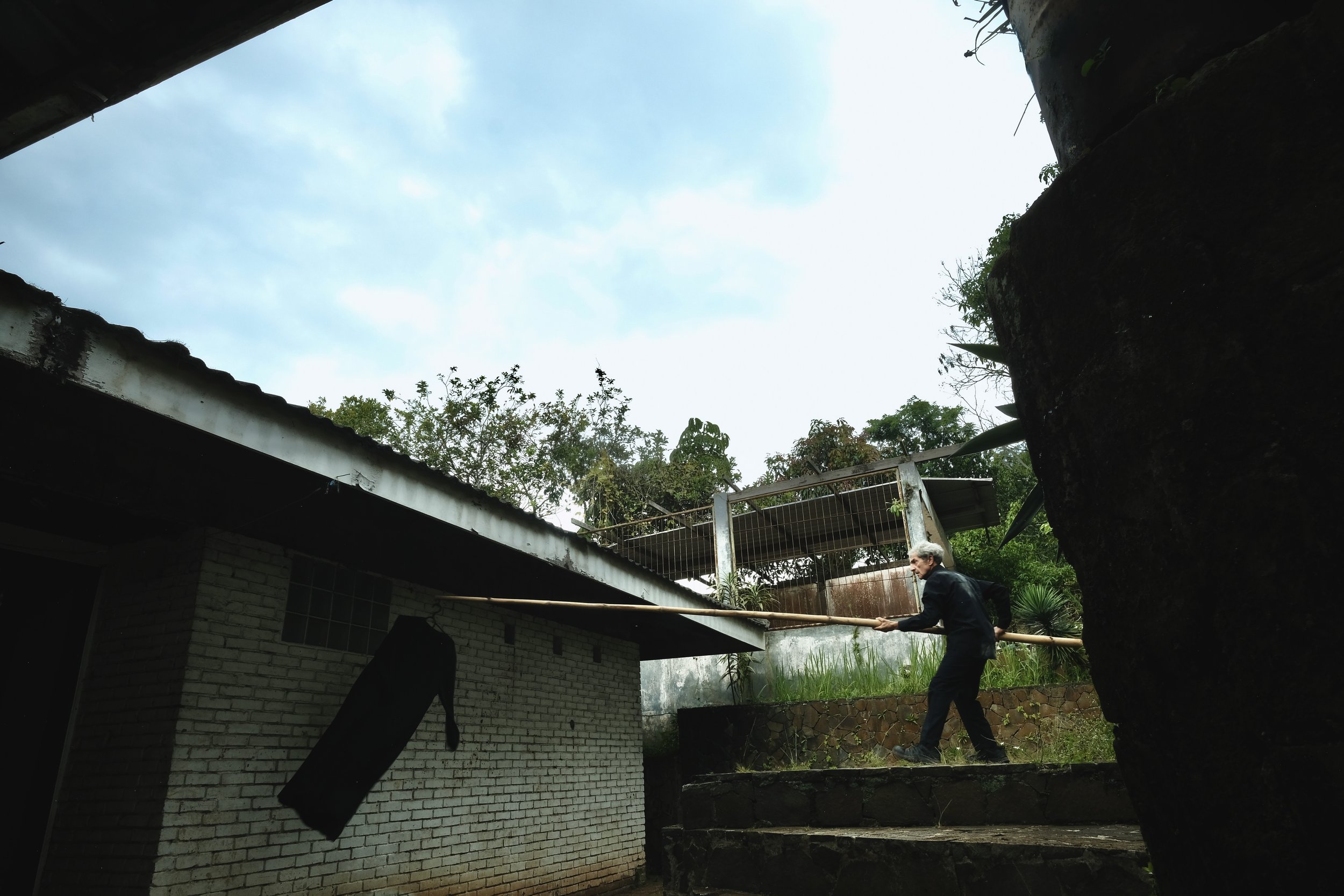
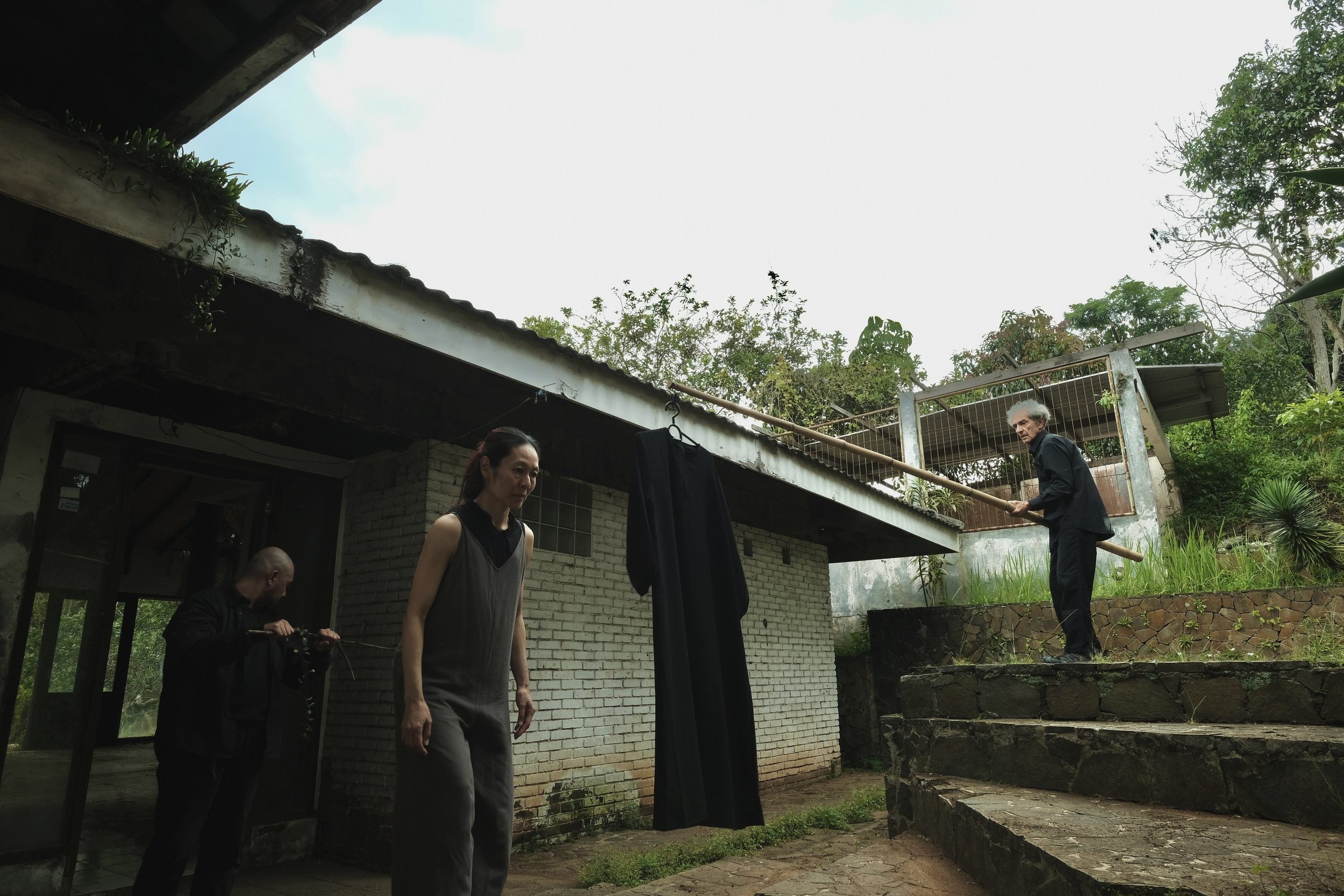
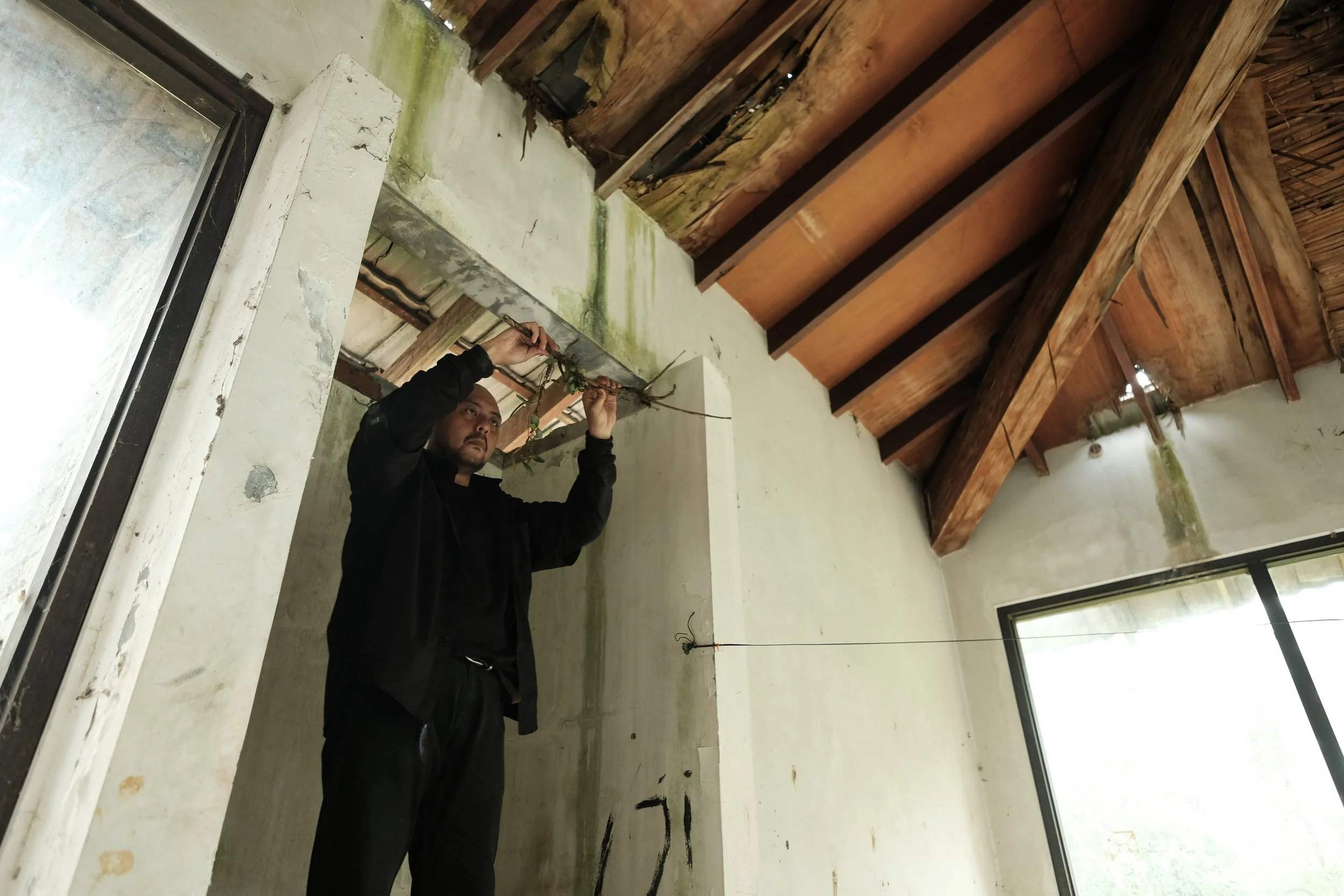
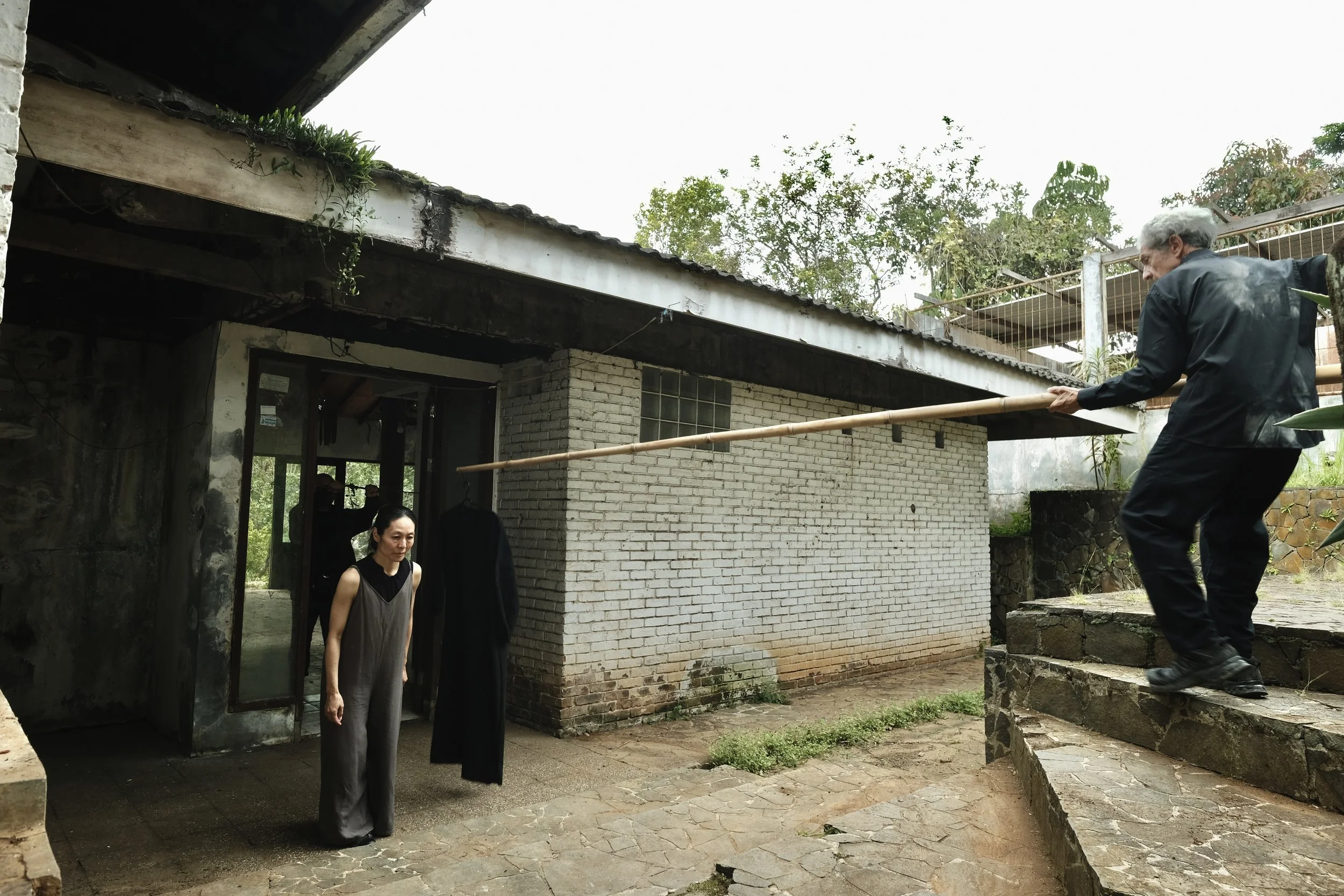
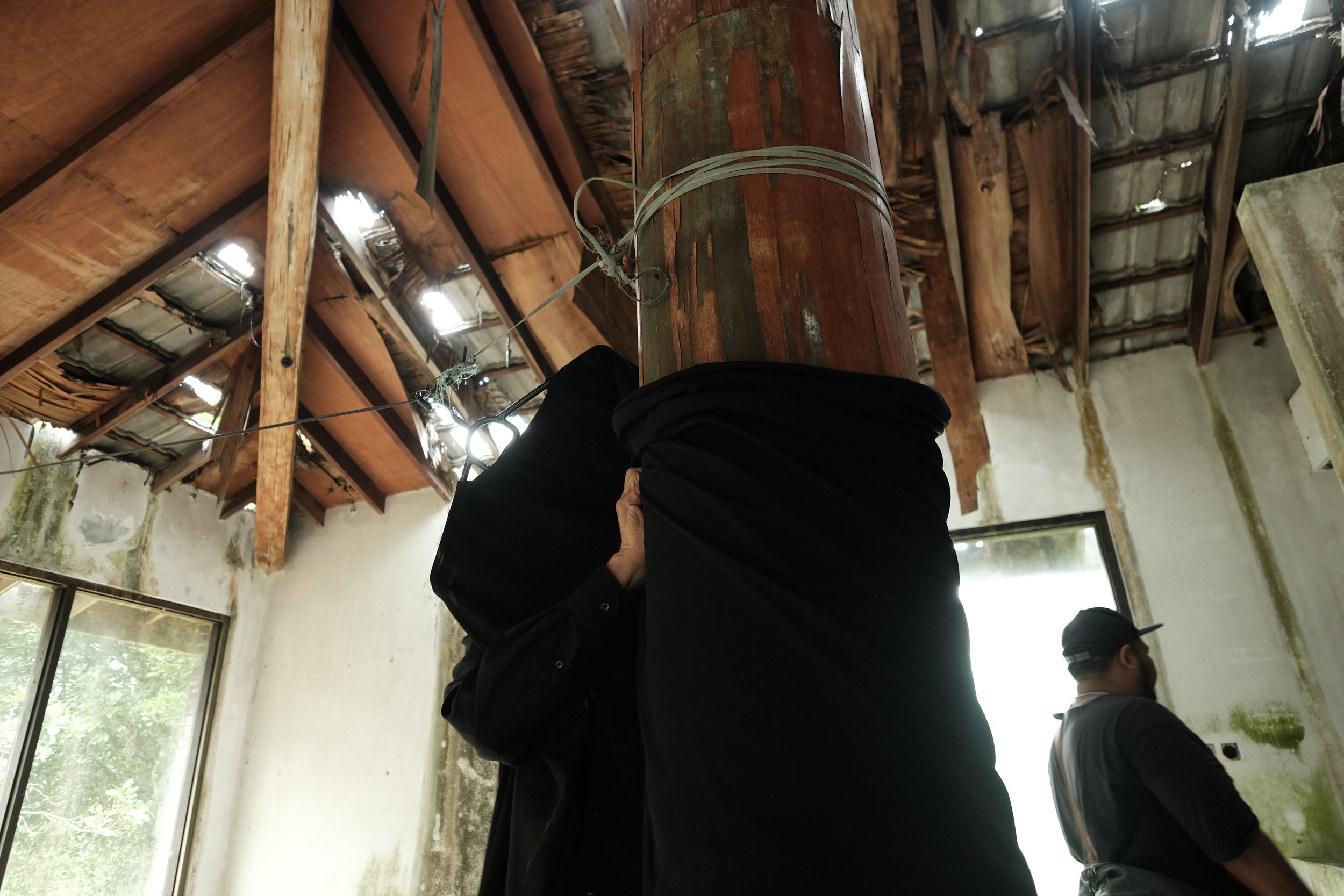
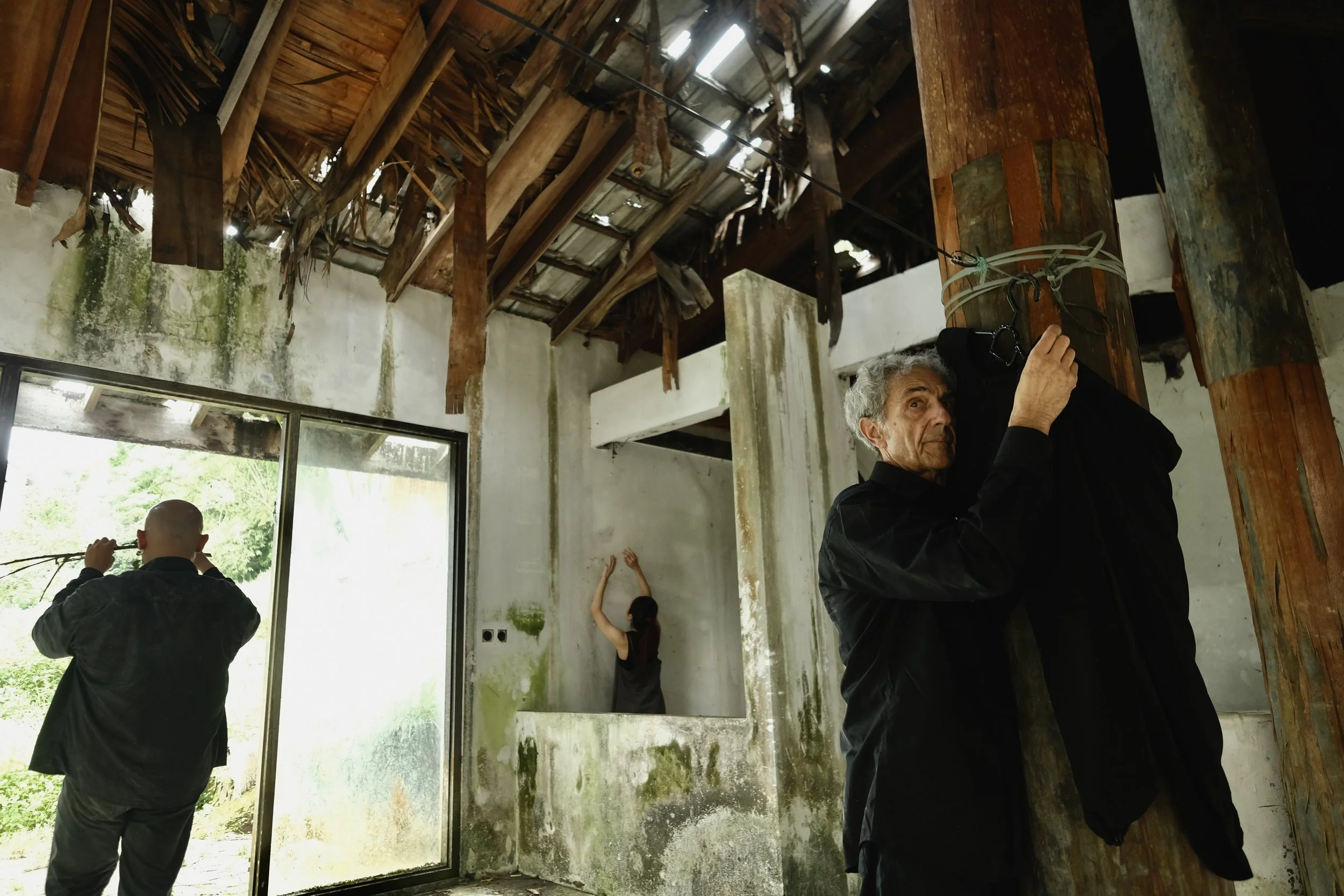
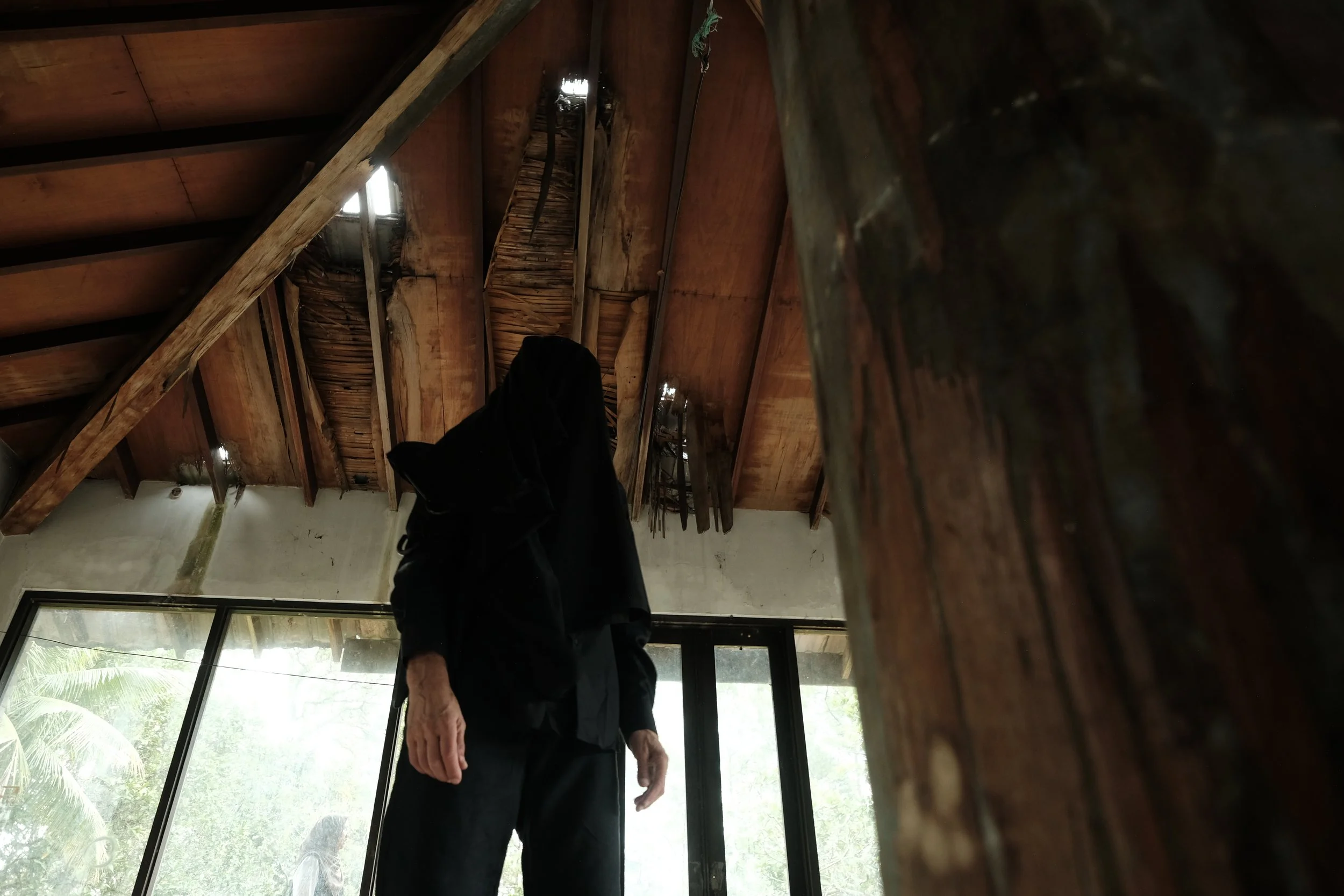
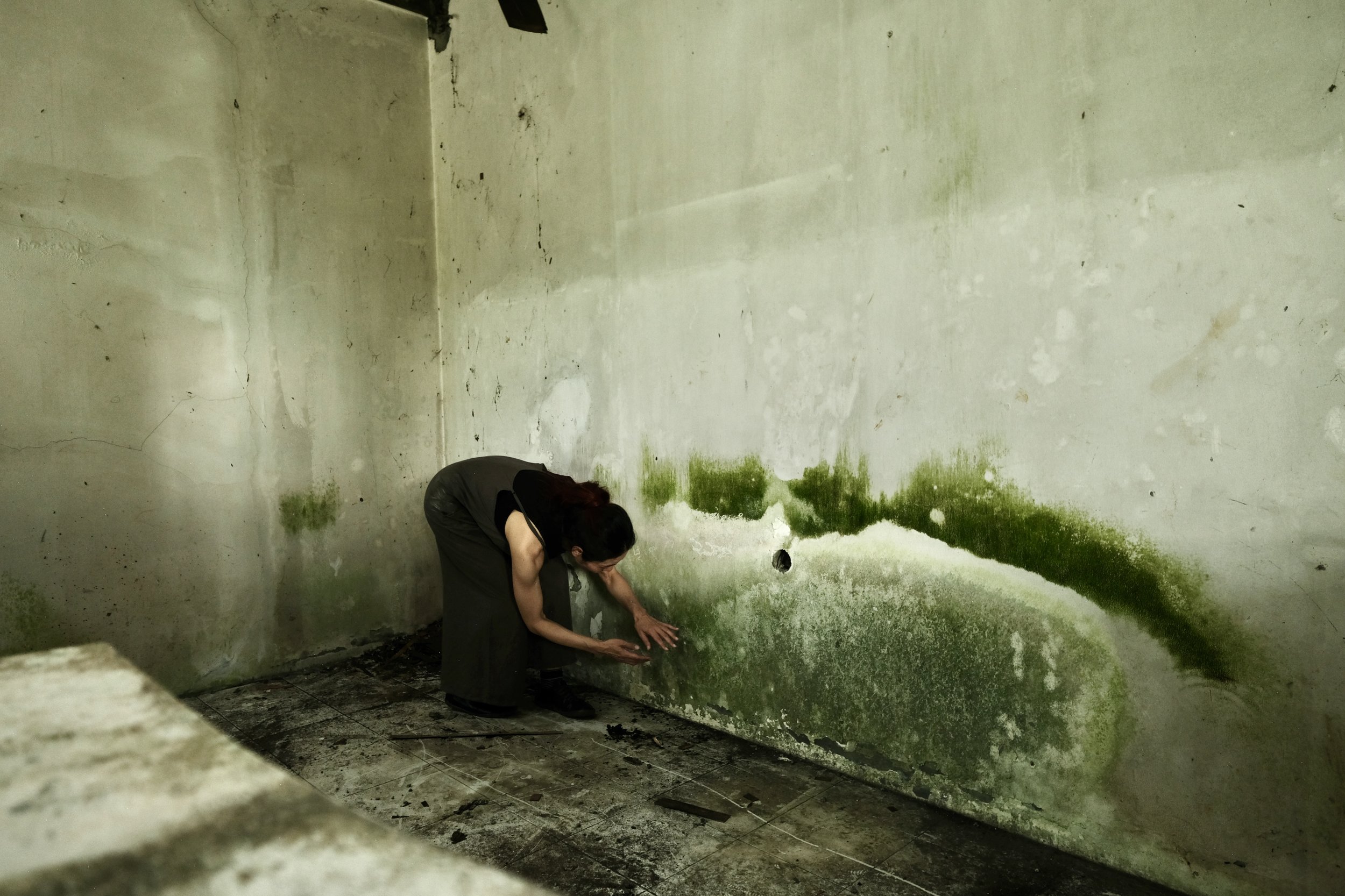
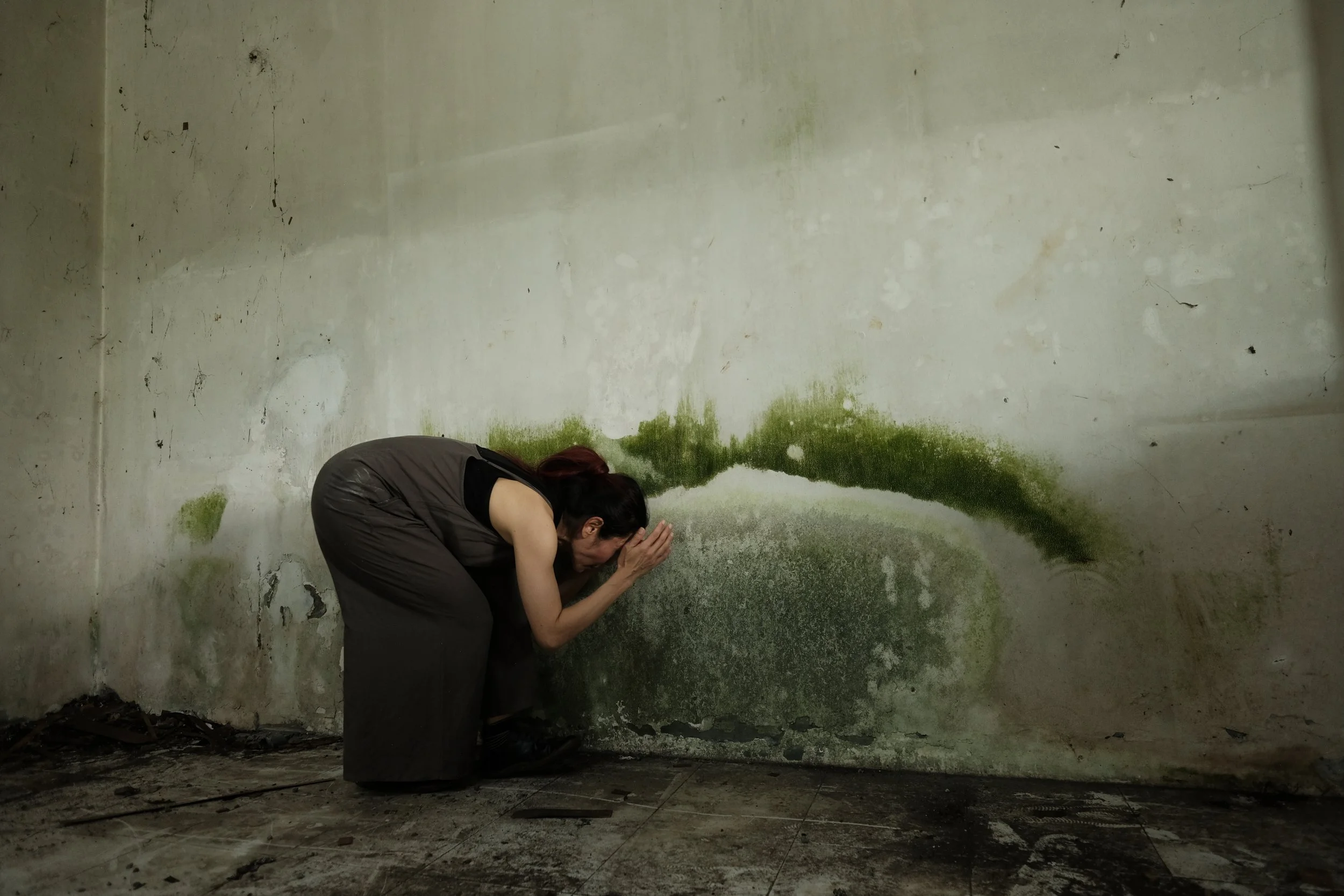
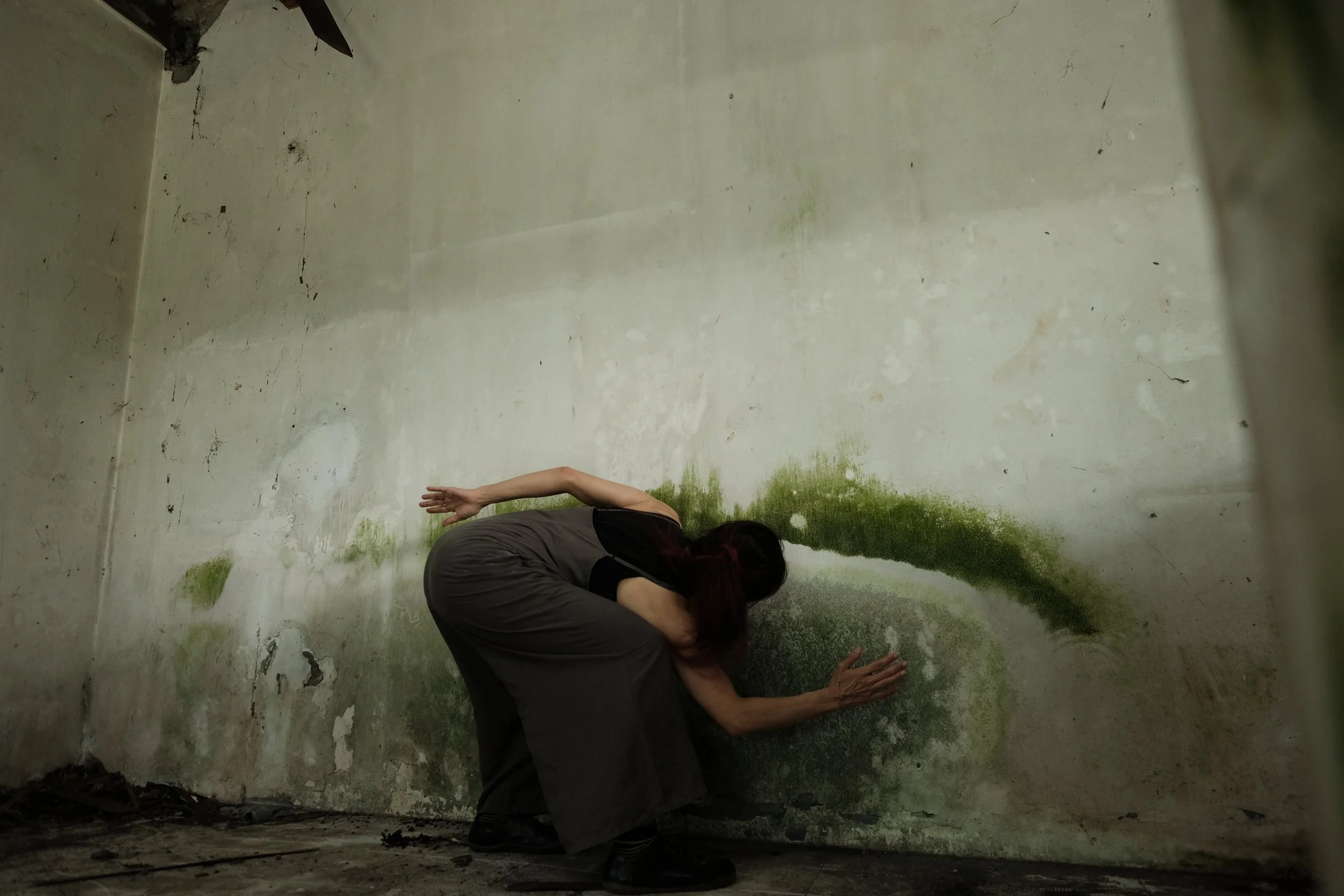
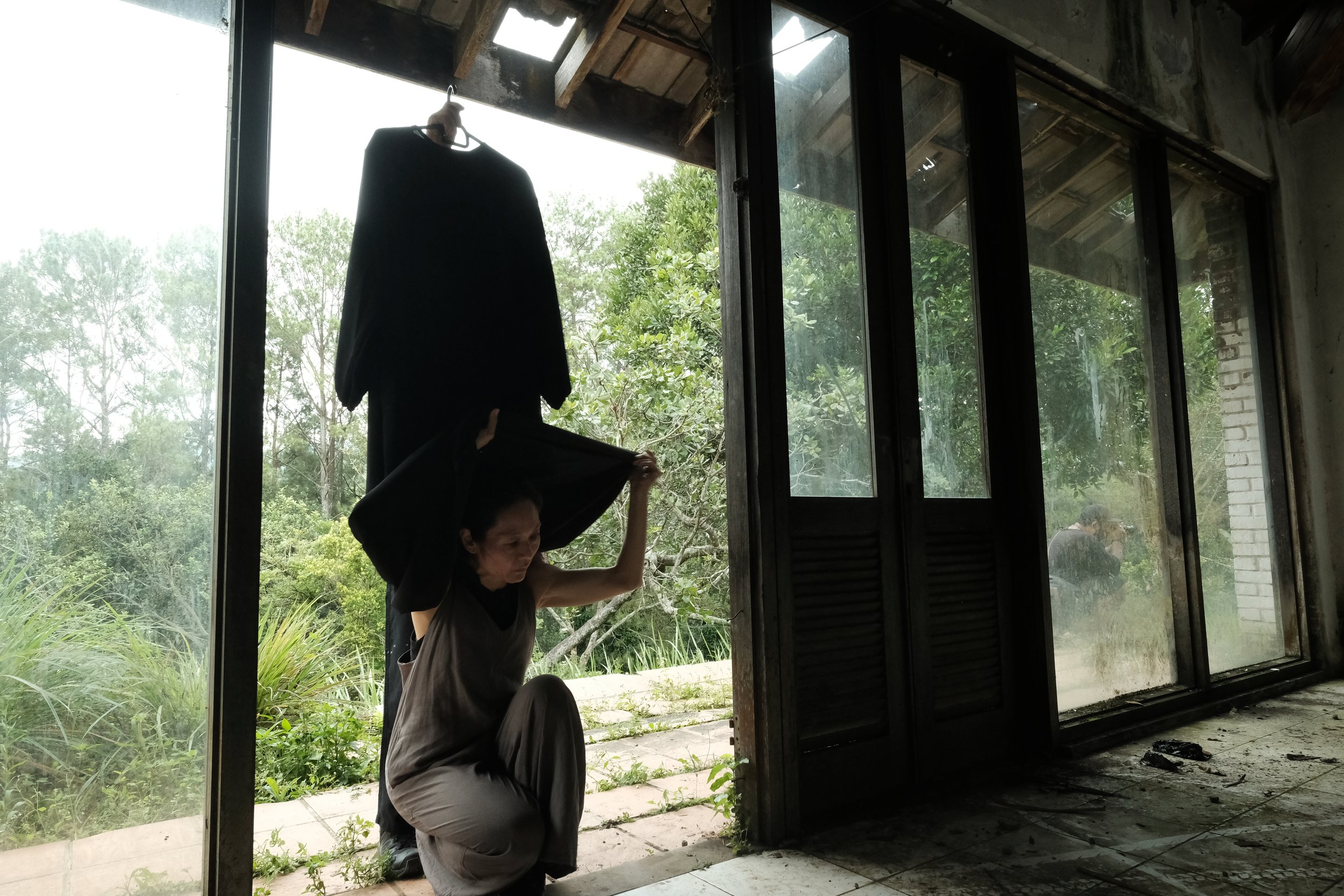
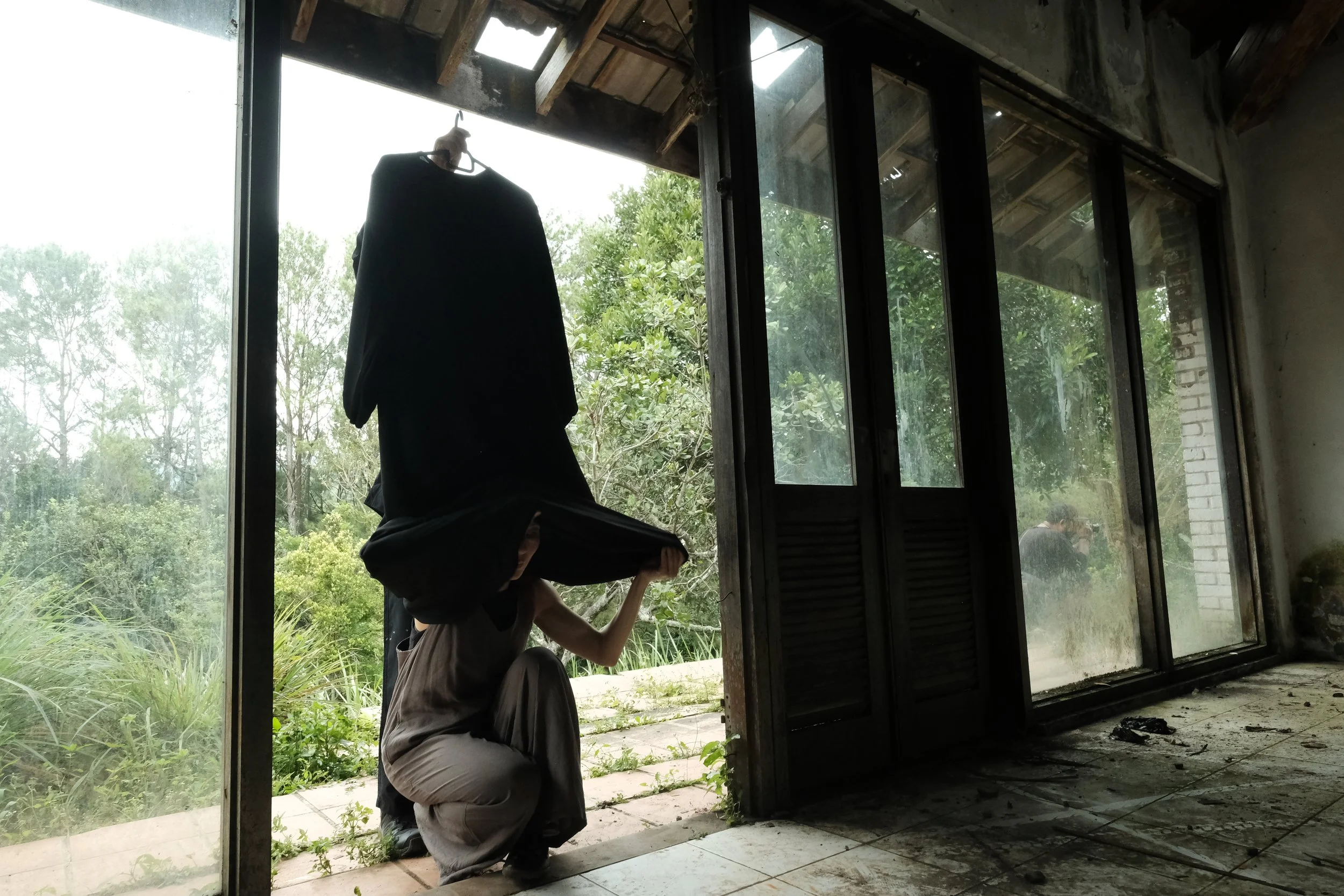
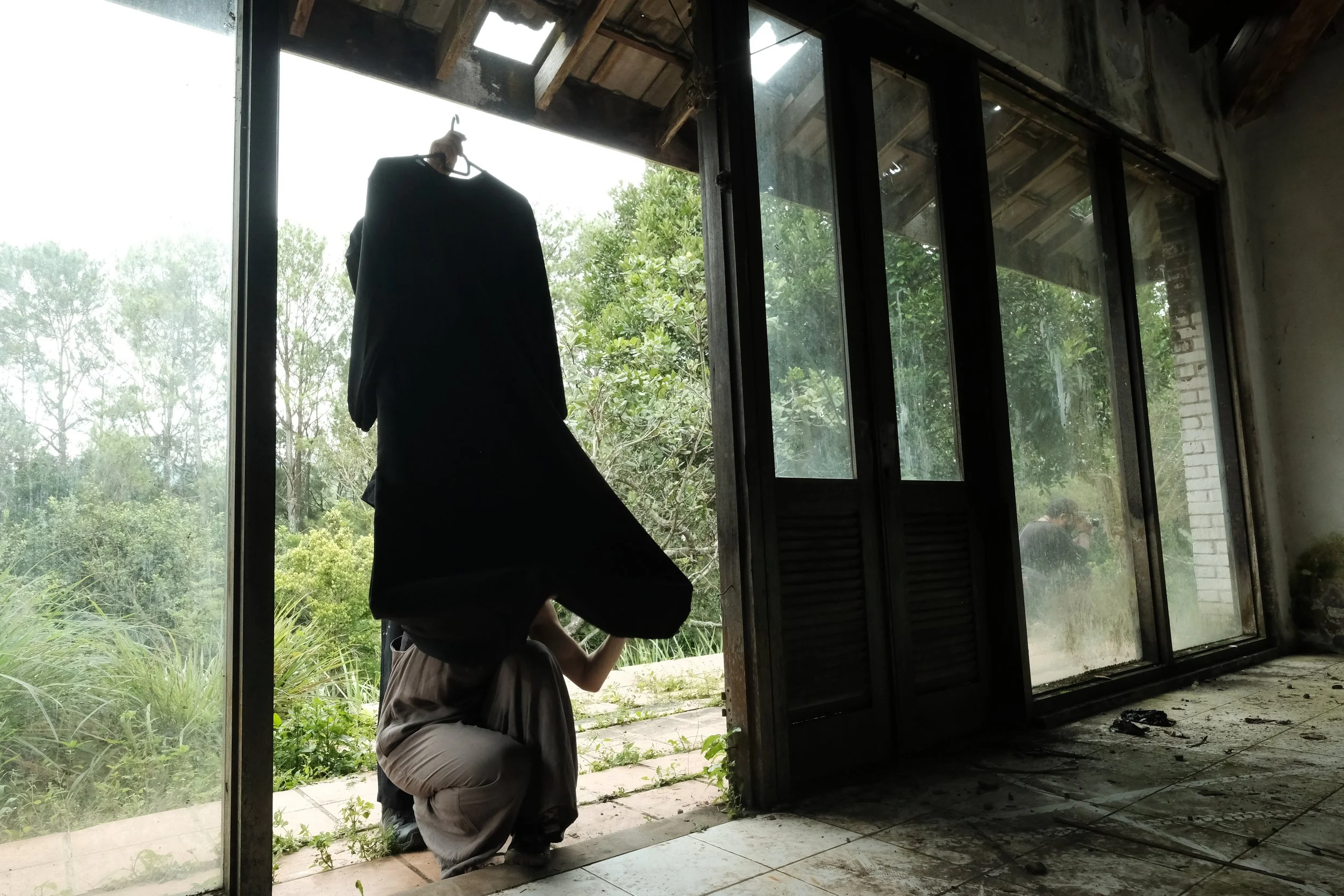
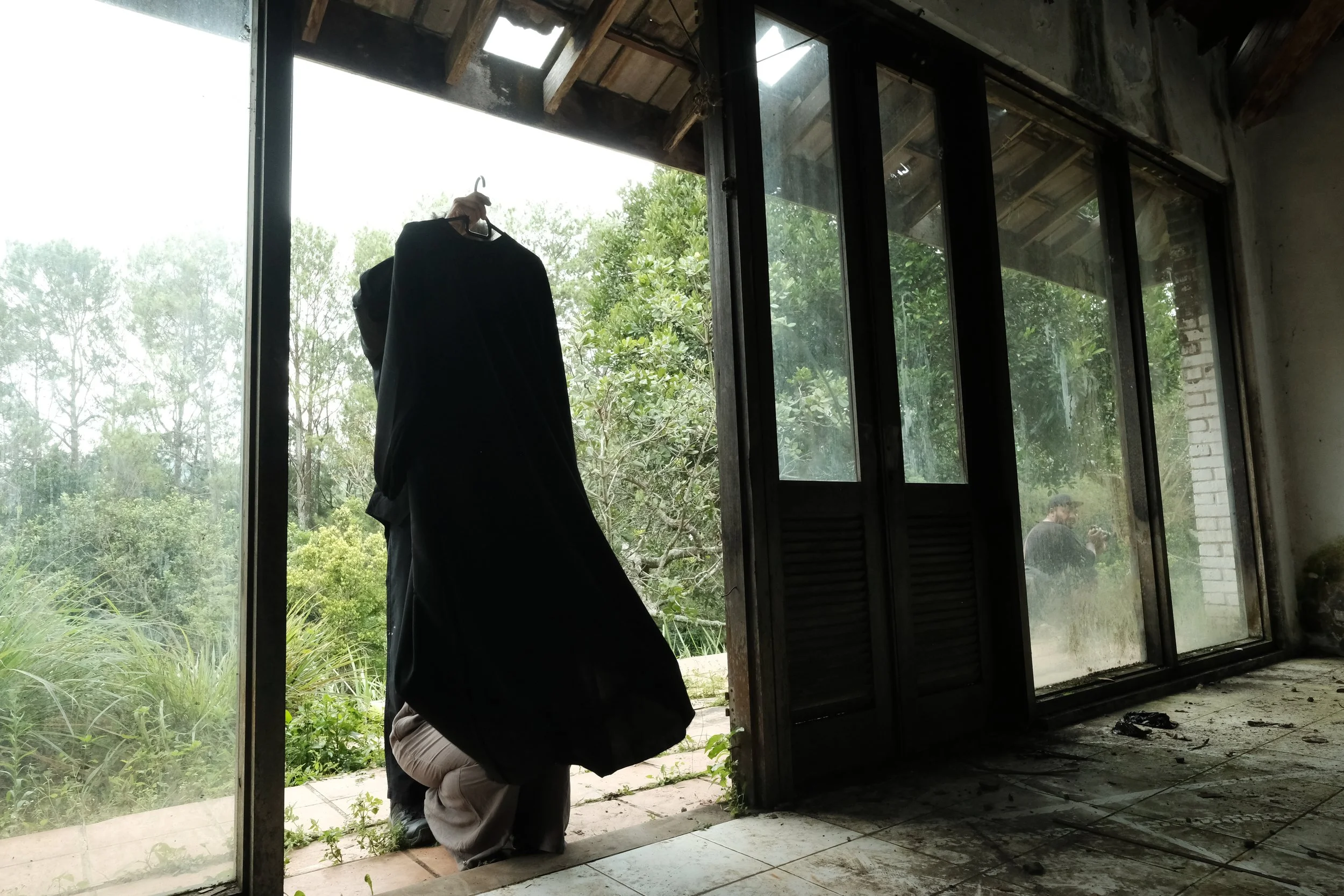
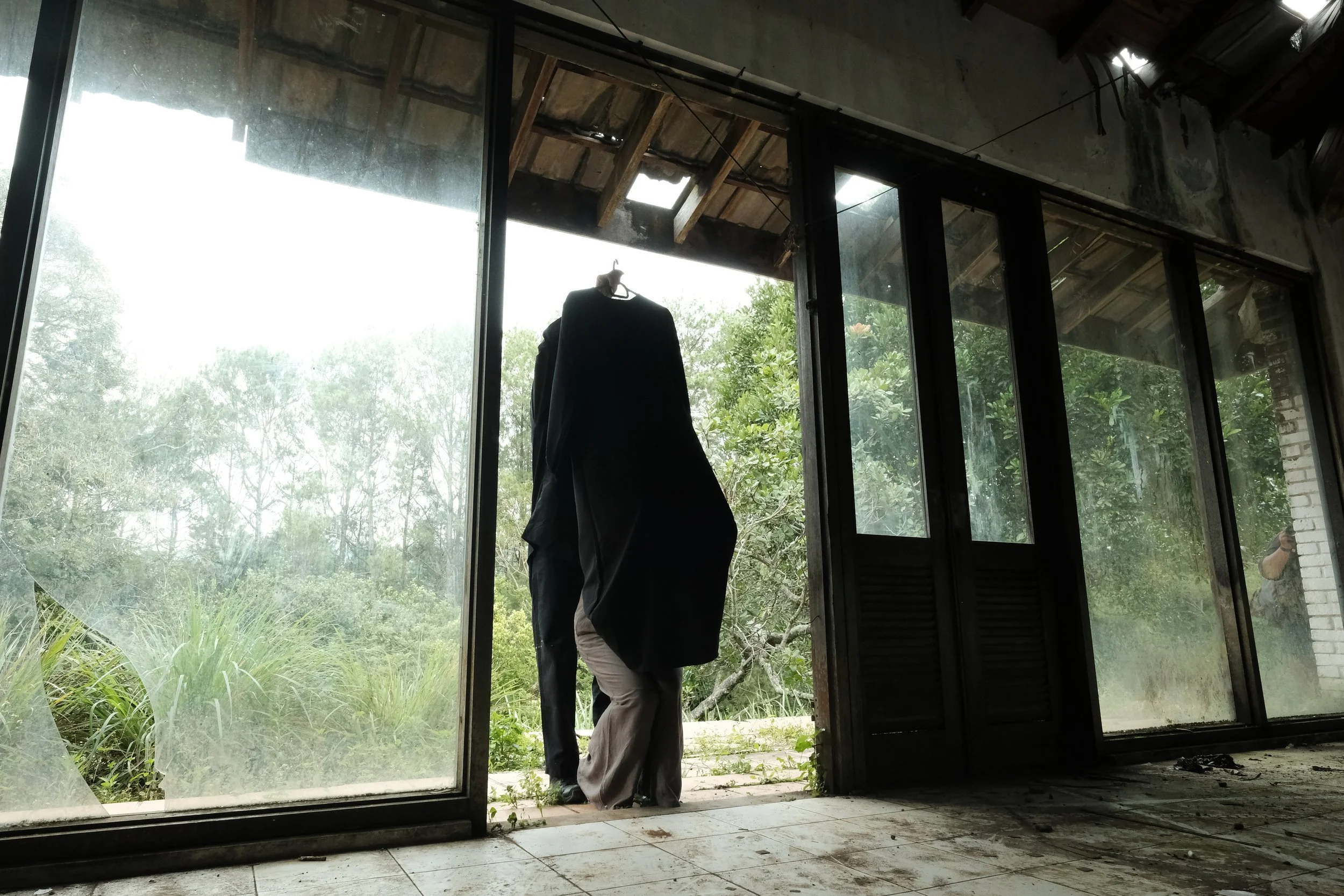
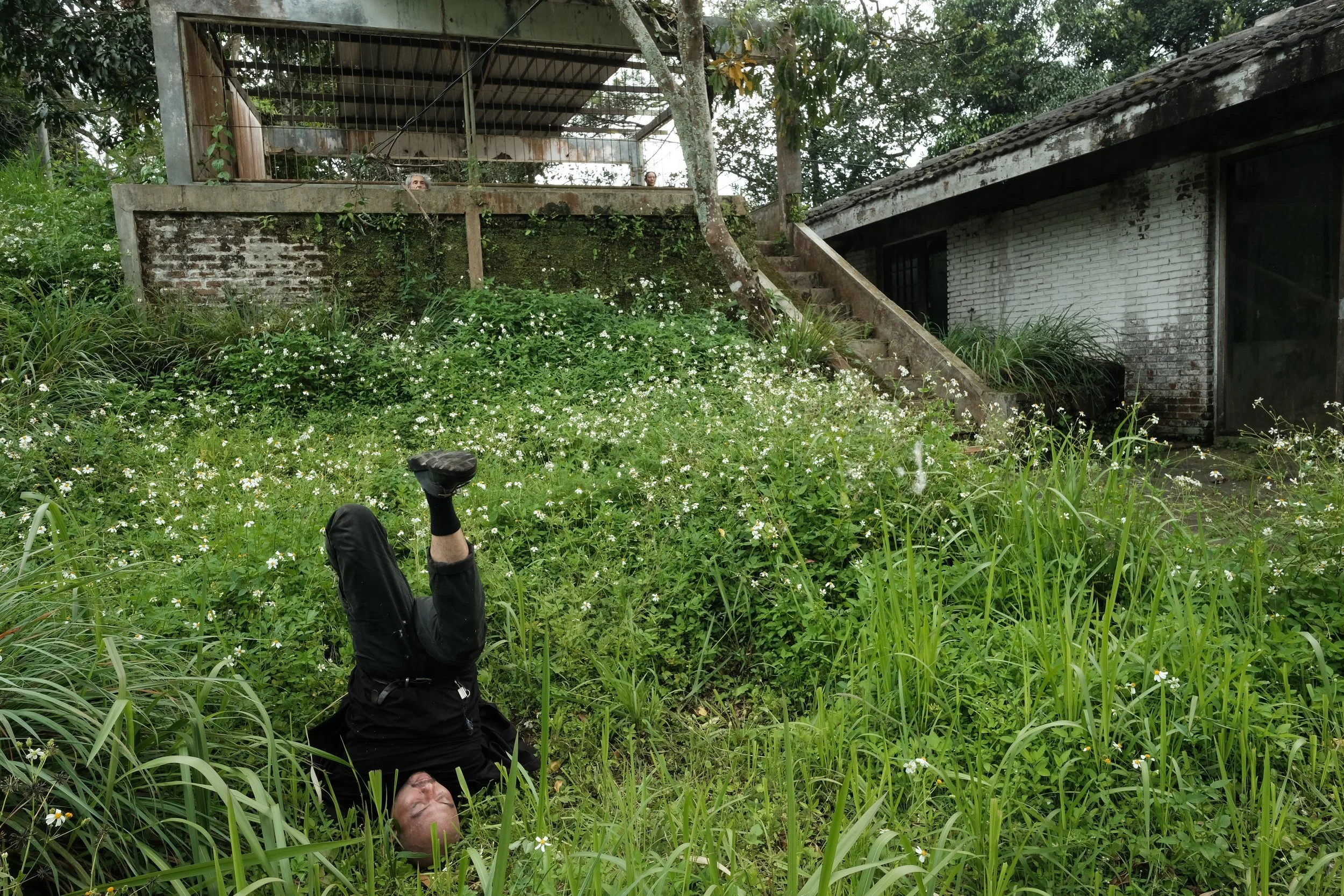
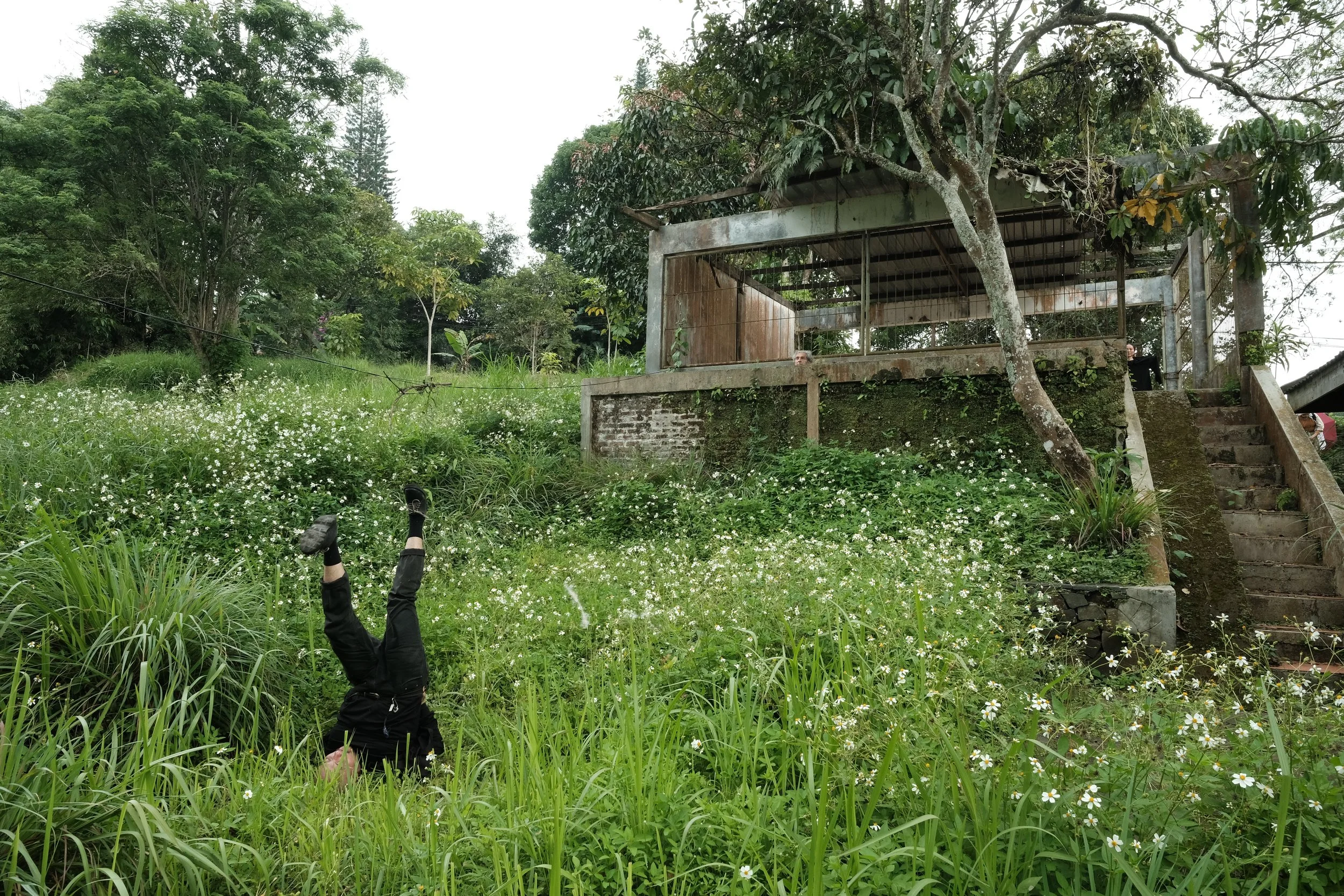
Below are photos by Rhea Laras Thehawijaya and Elan Budikusumah. Big thank you to costume maker Dian Mayang Sari, resin artists Firmansyah a.k.a Jekbell and Sammy Syauta.