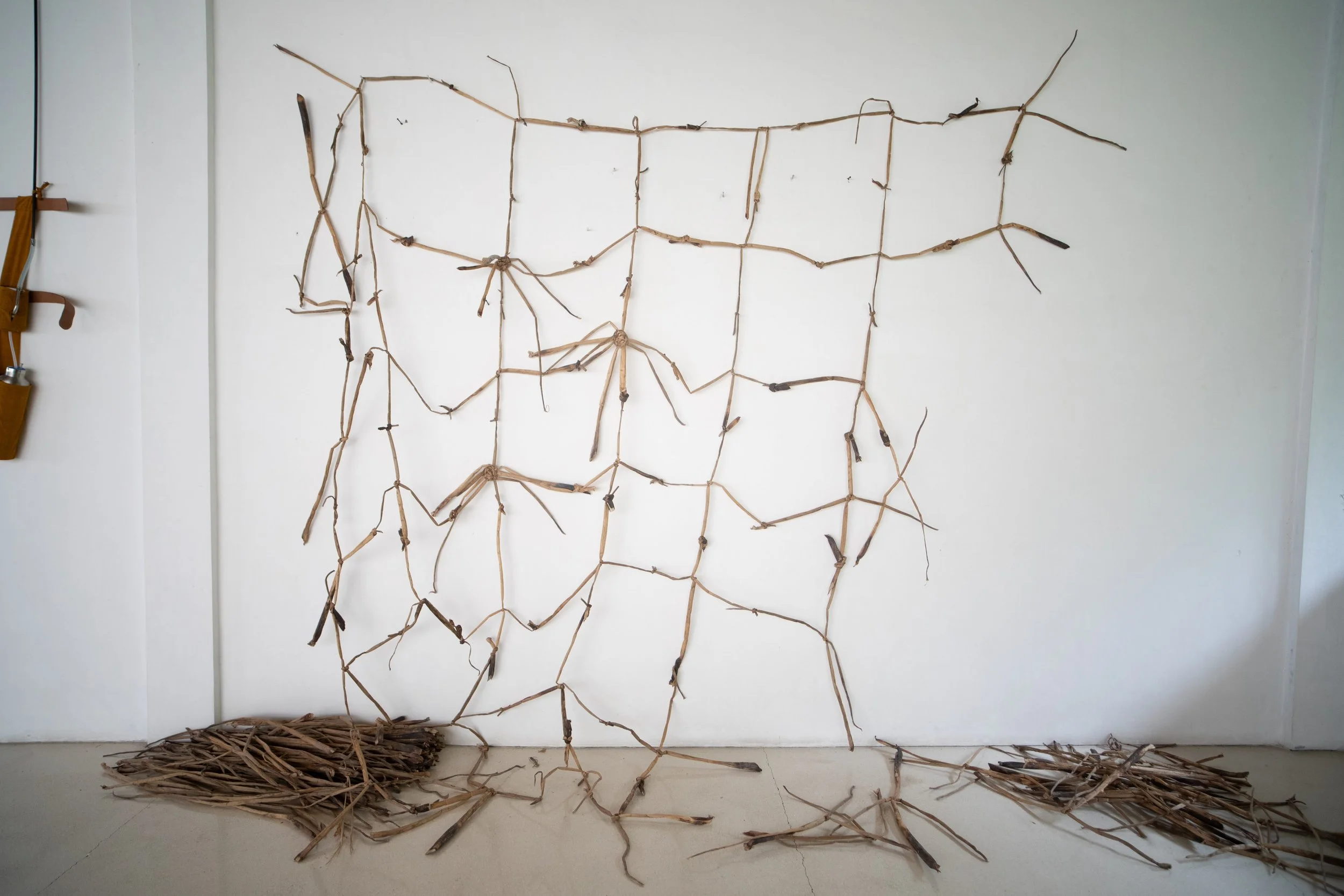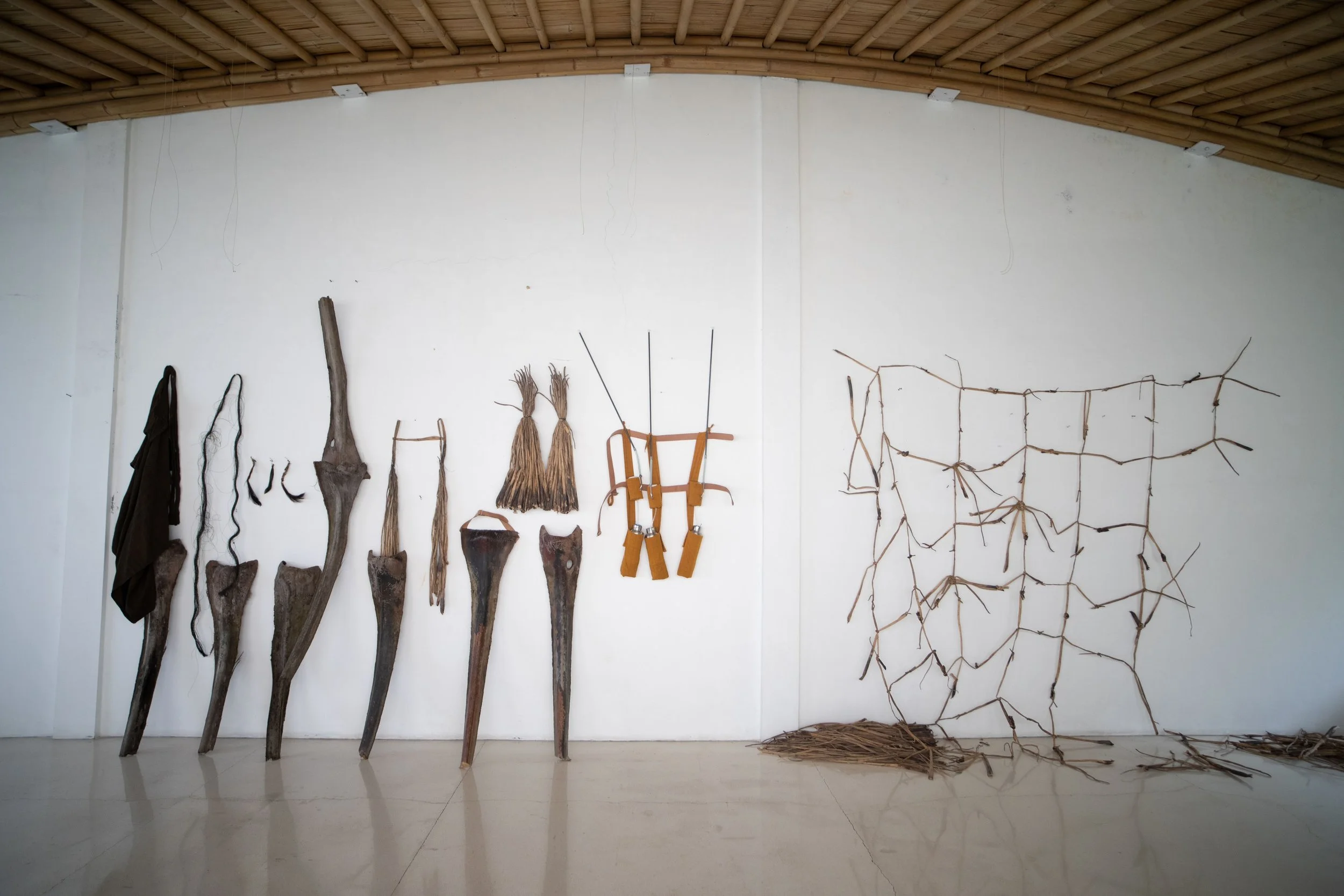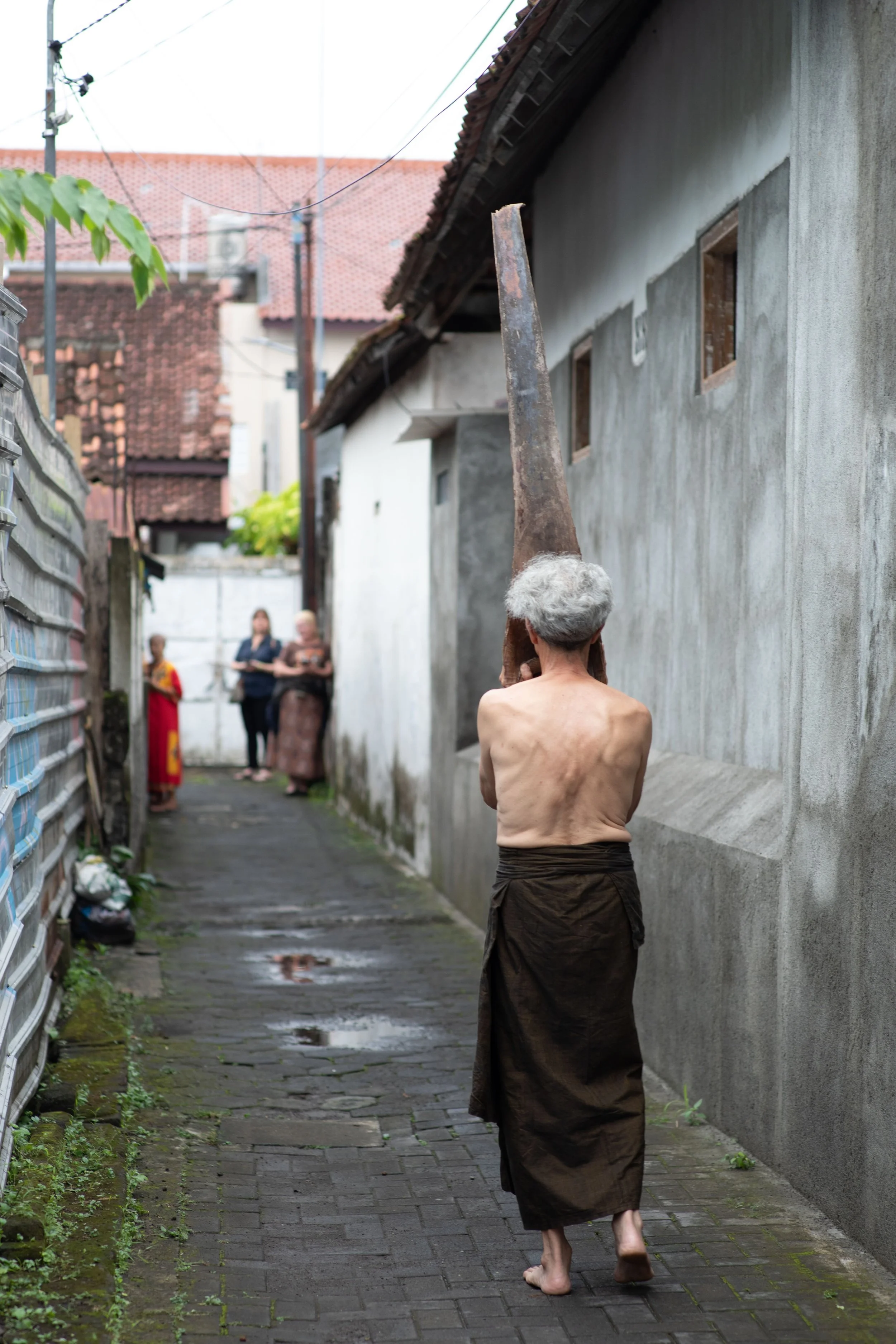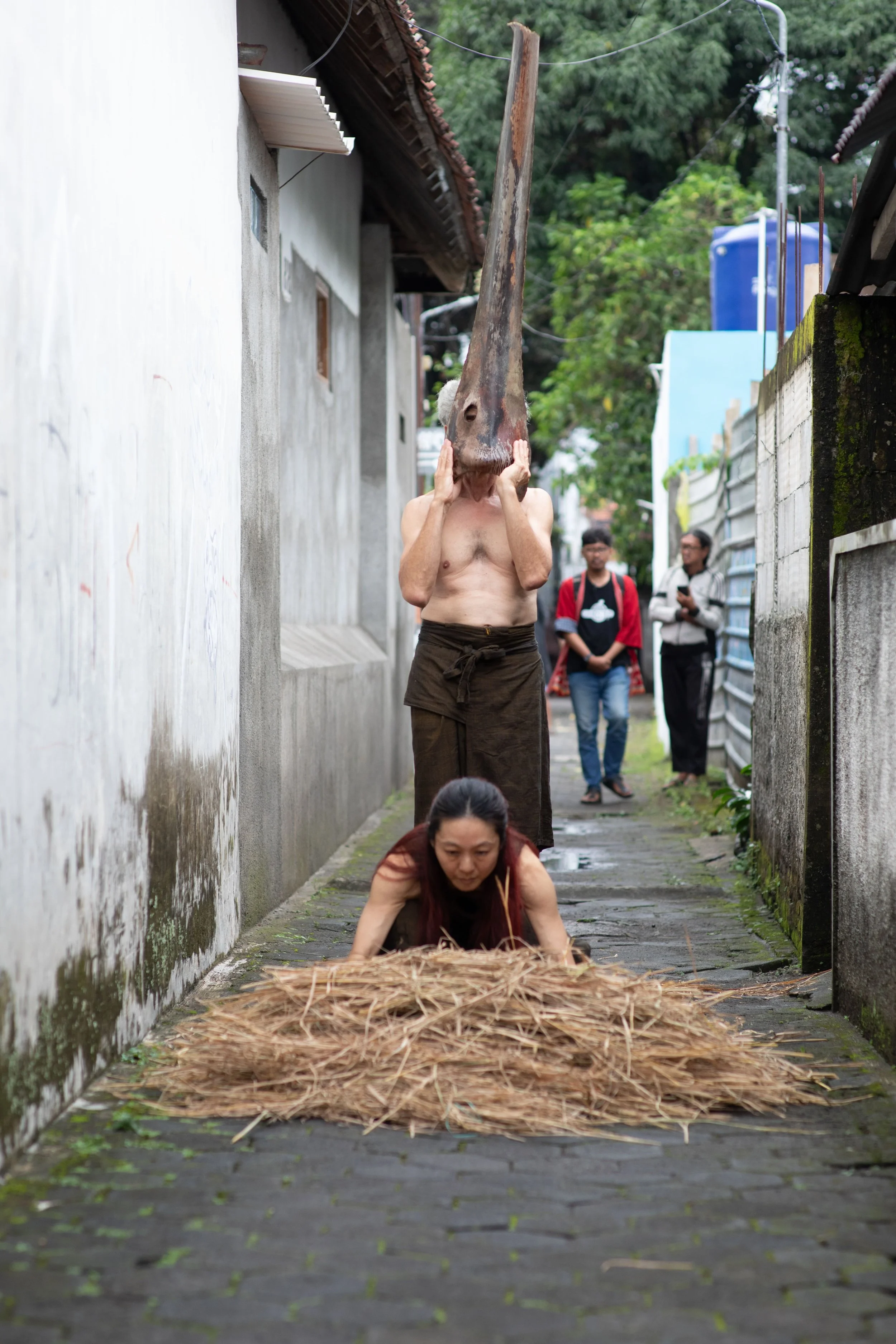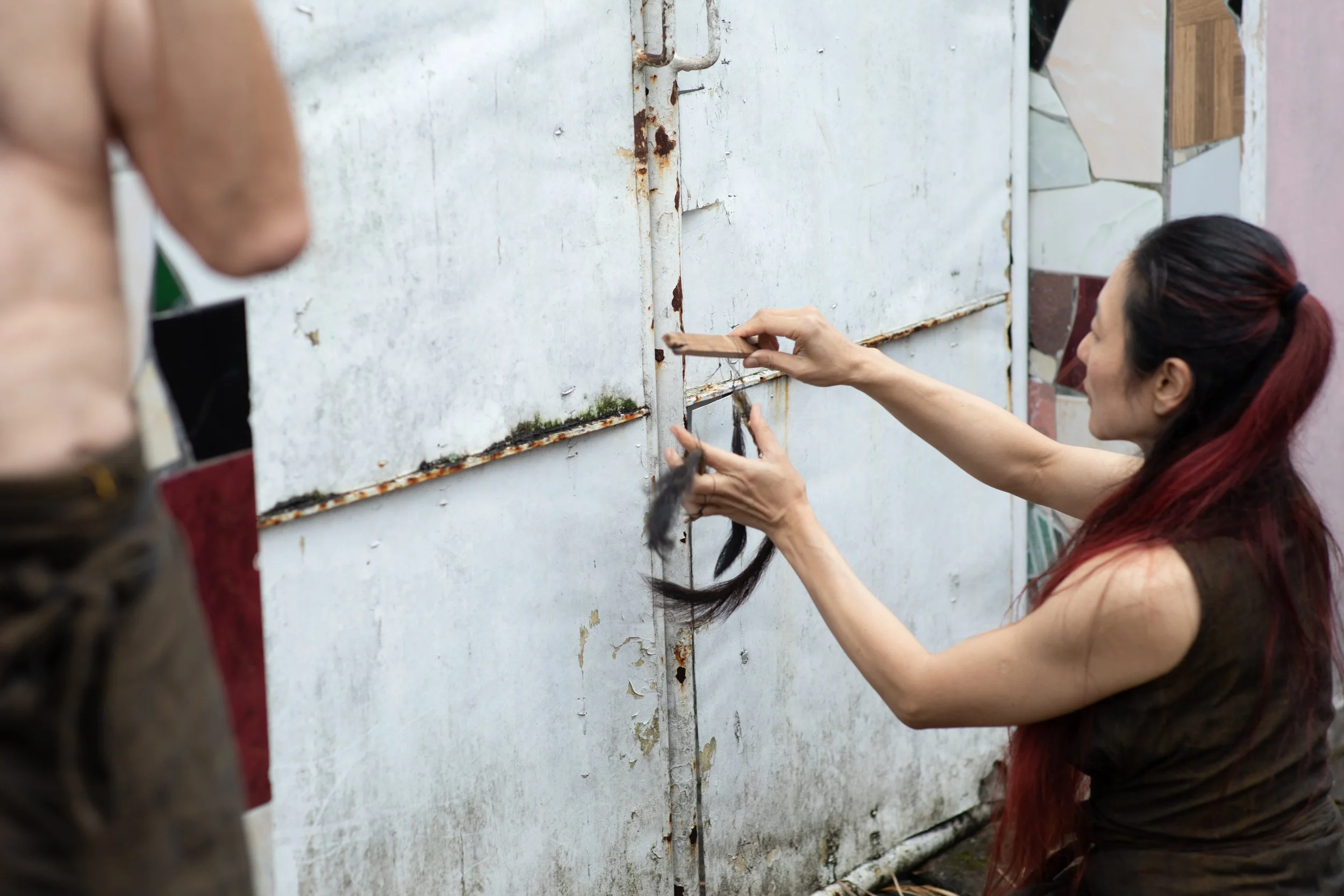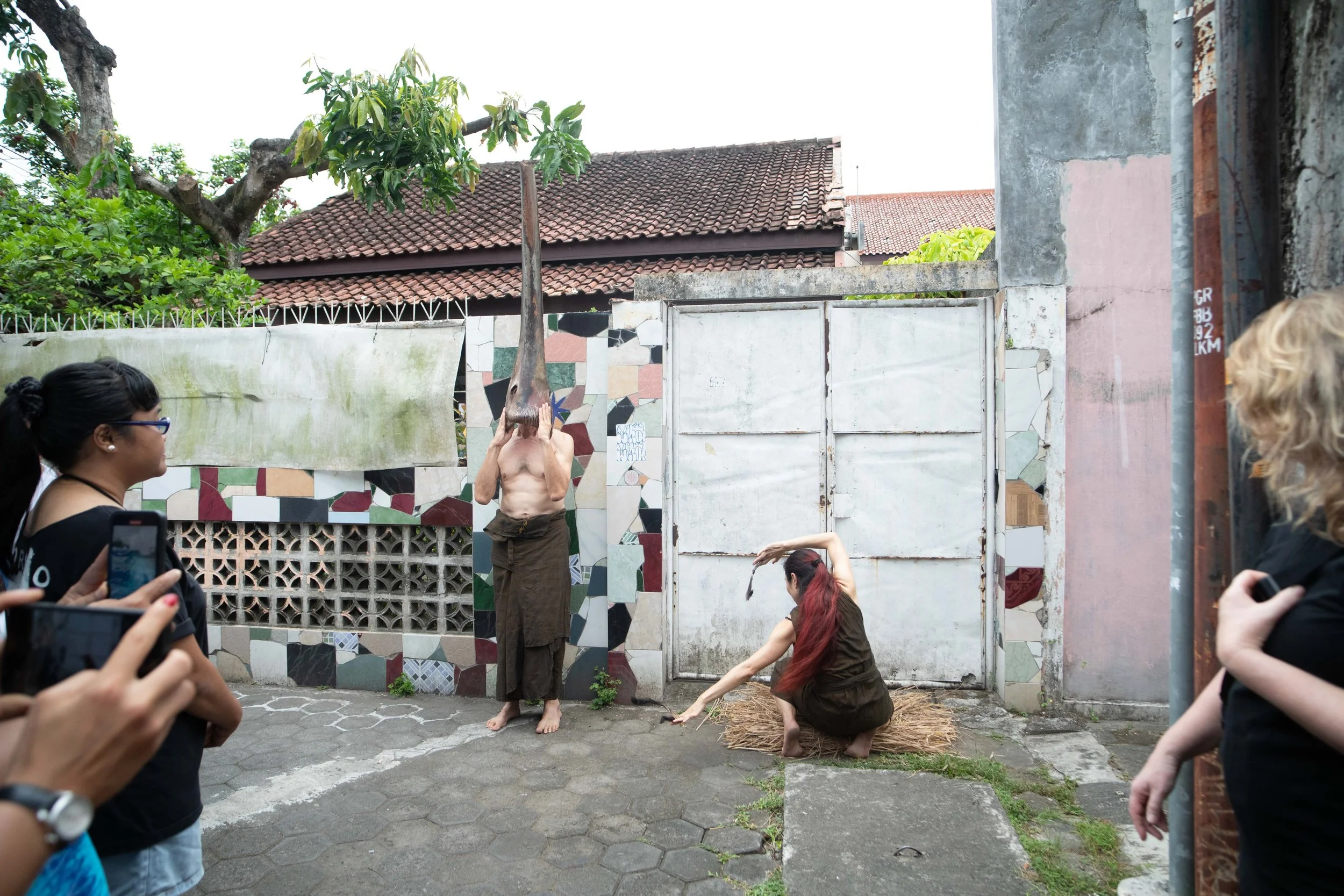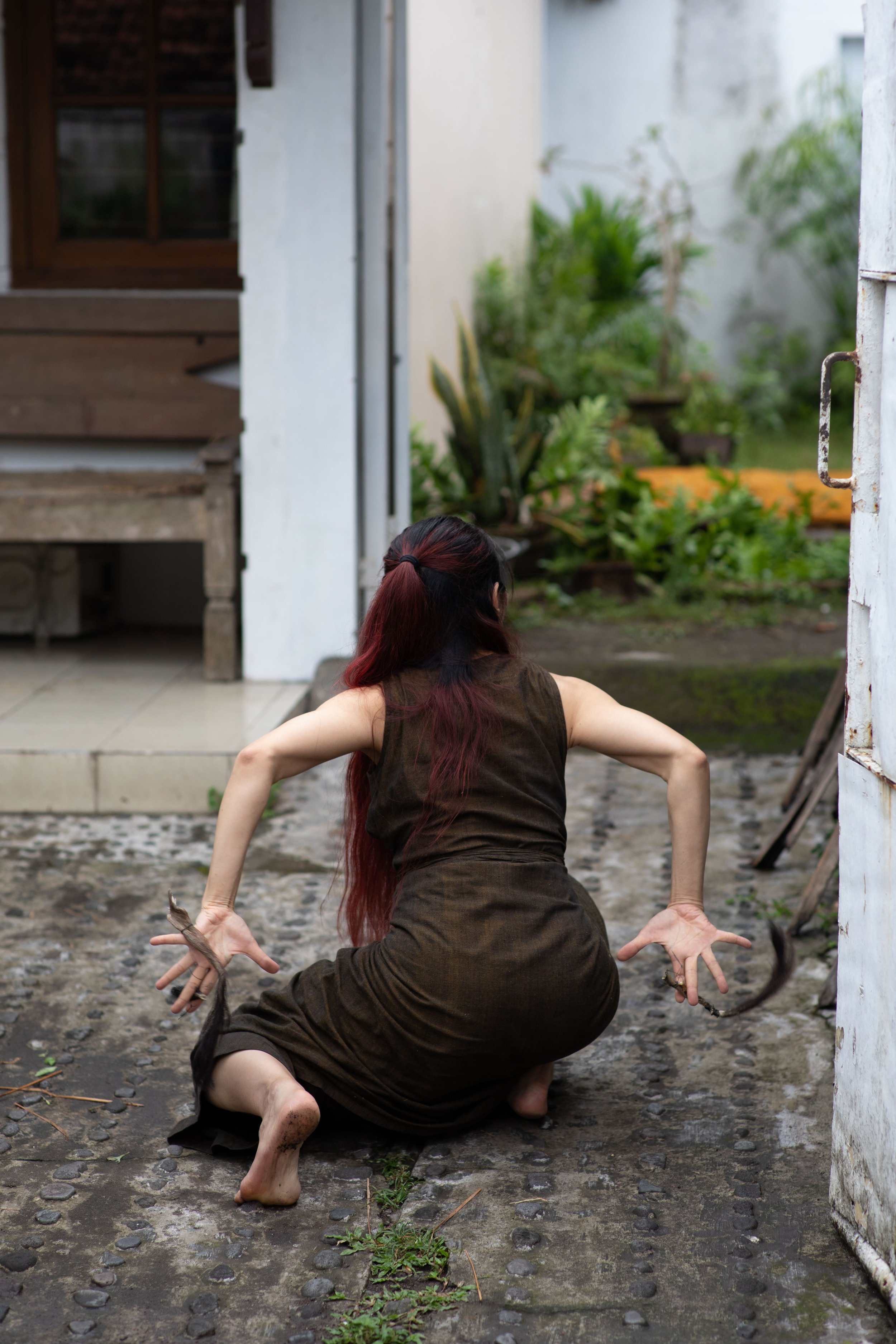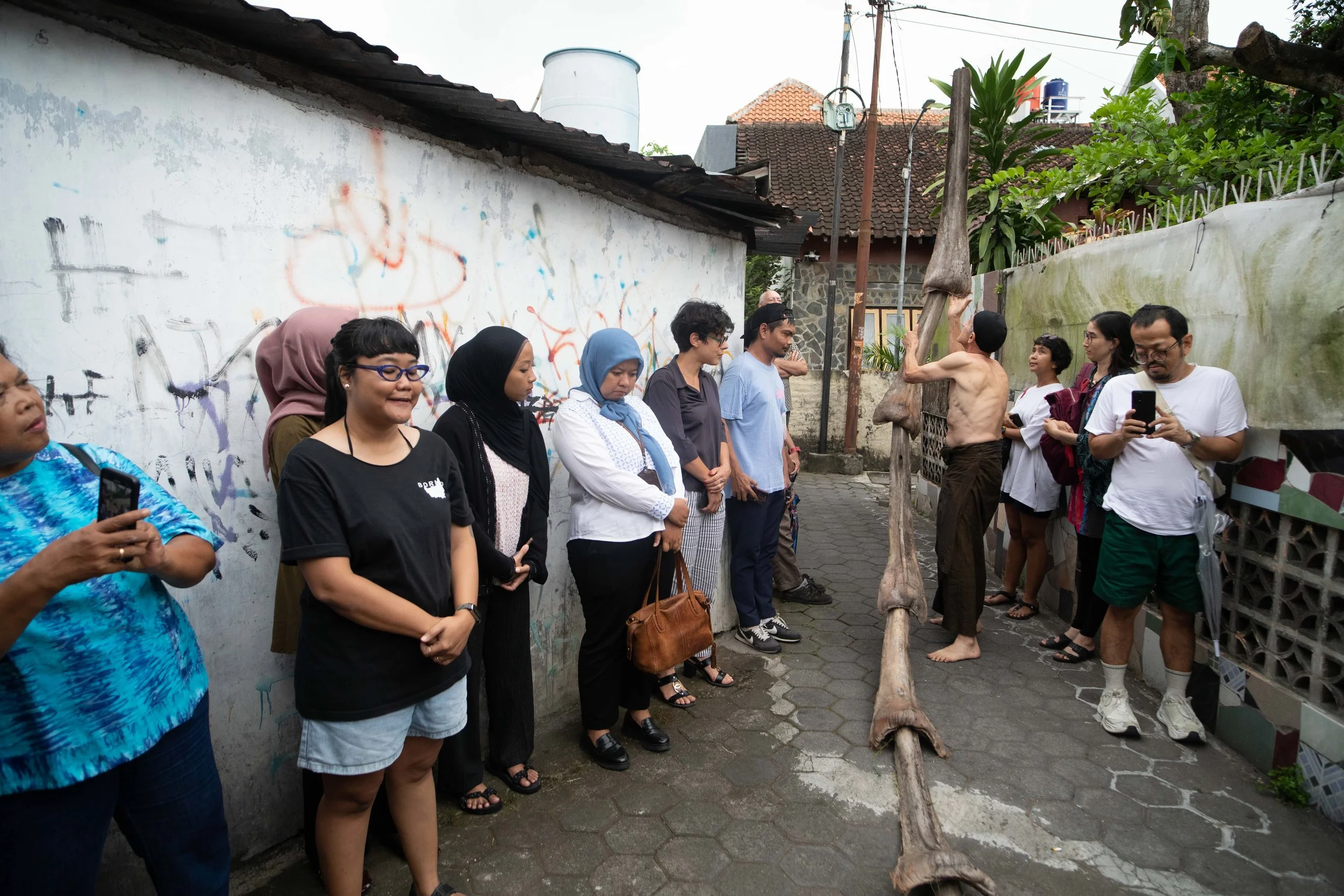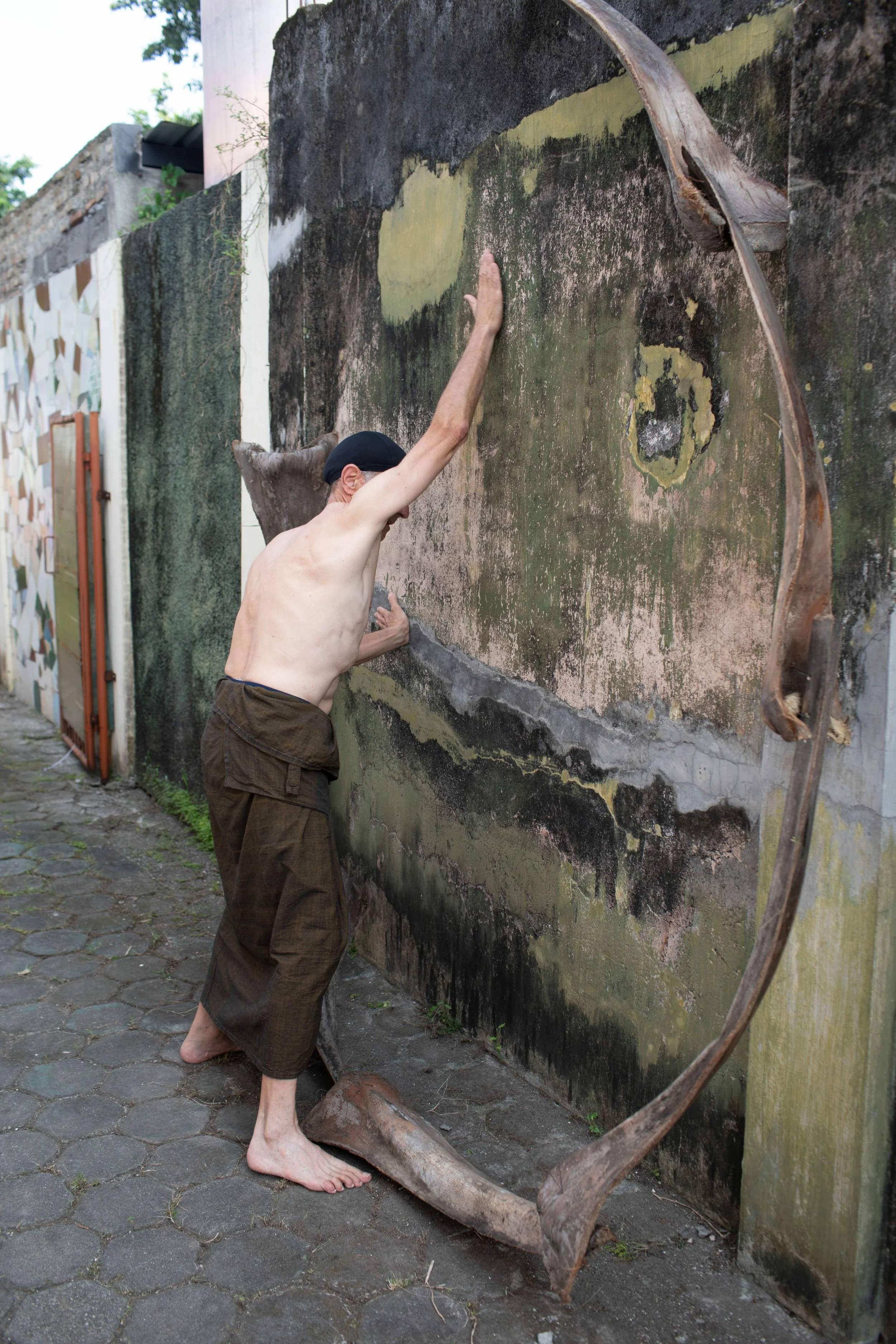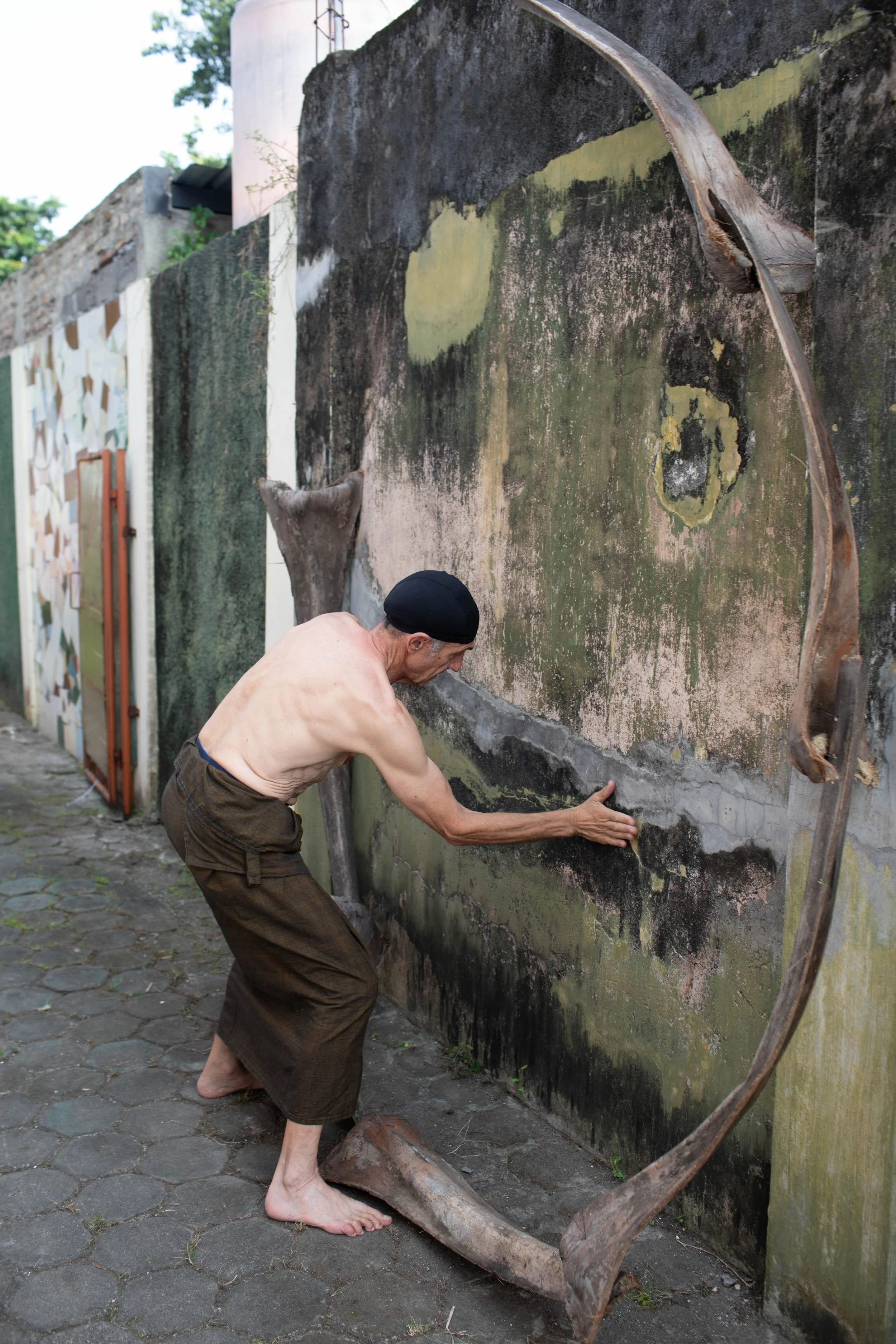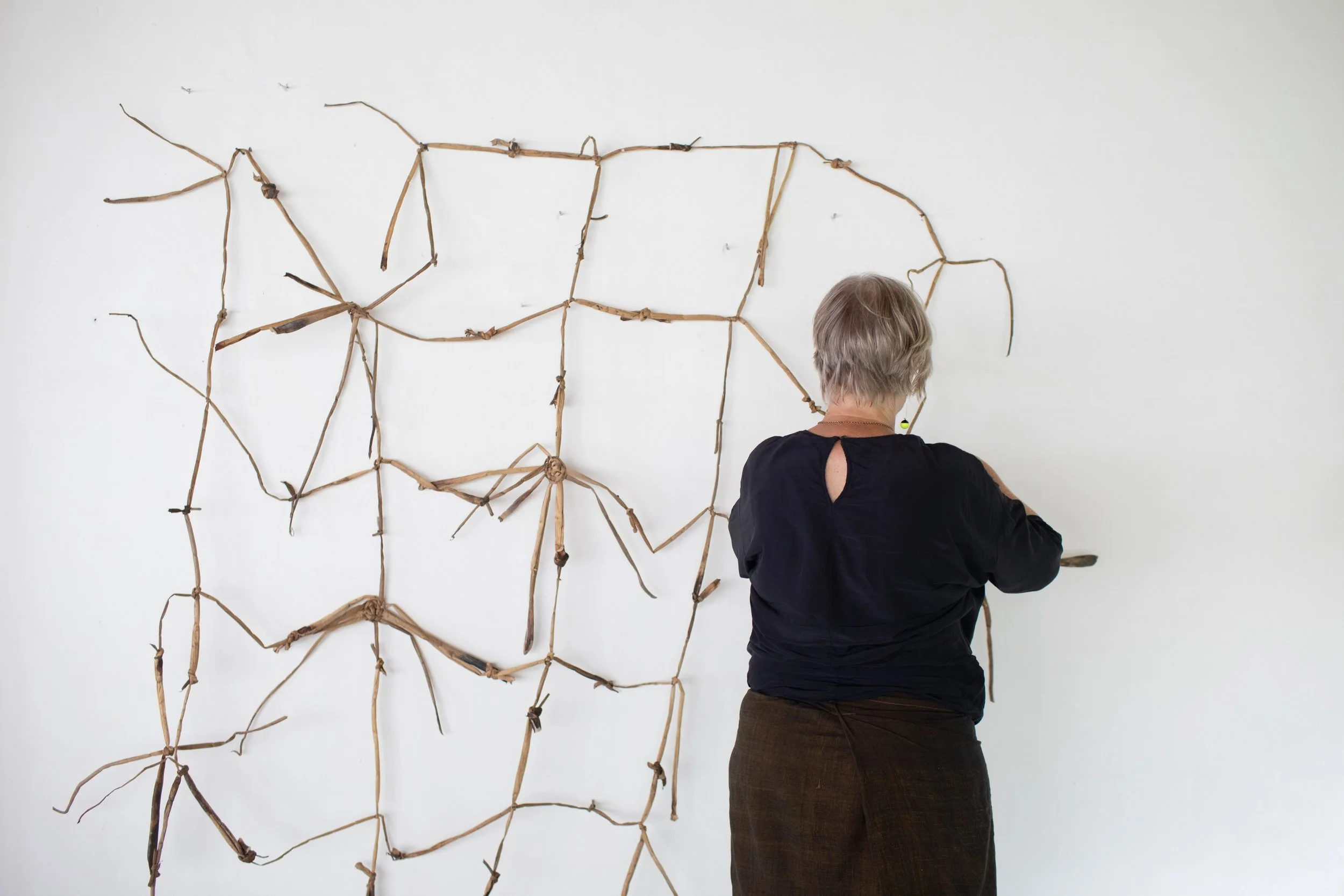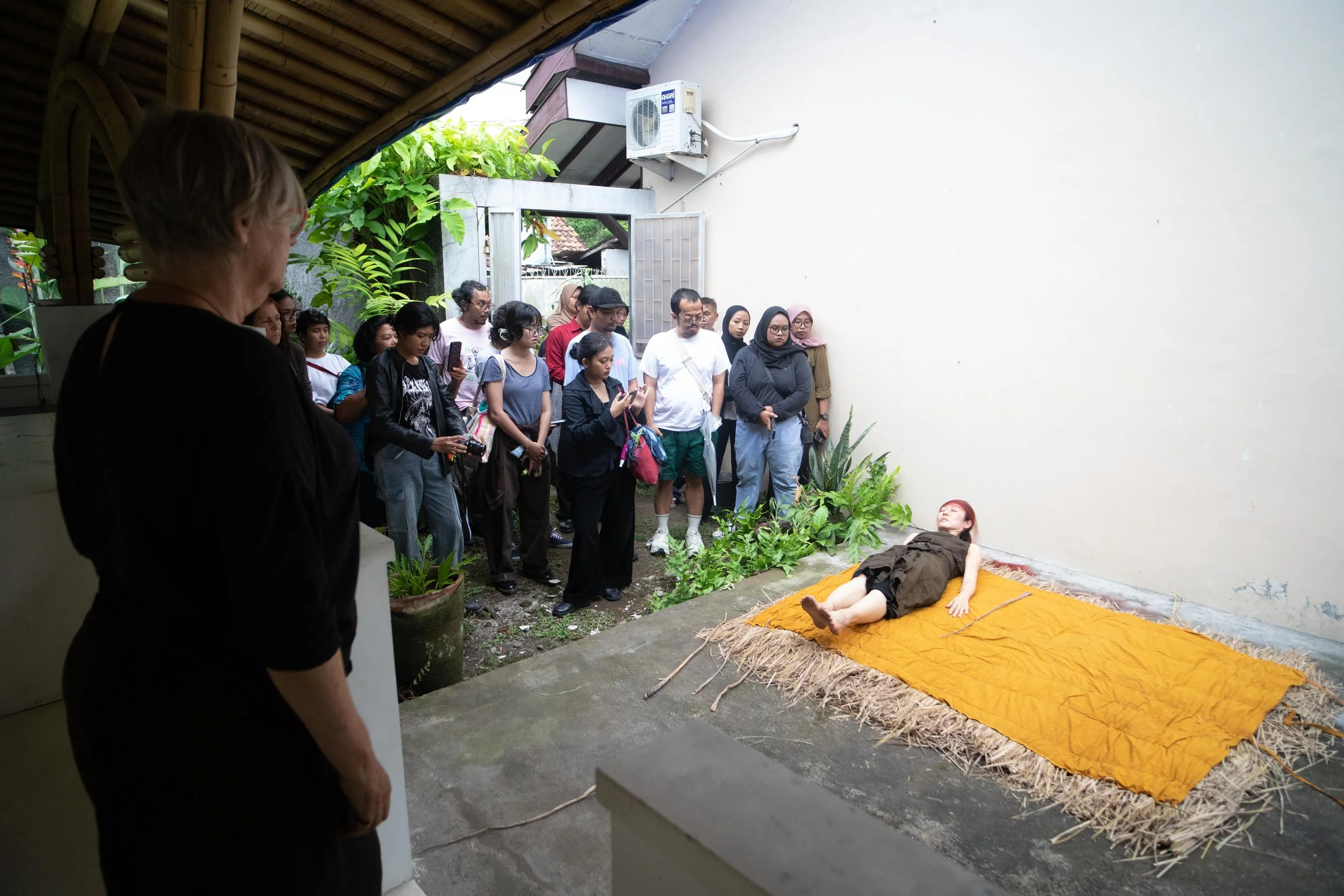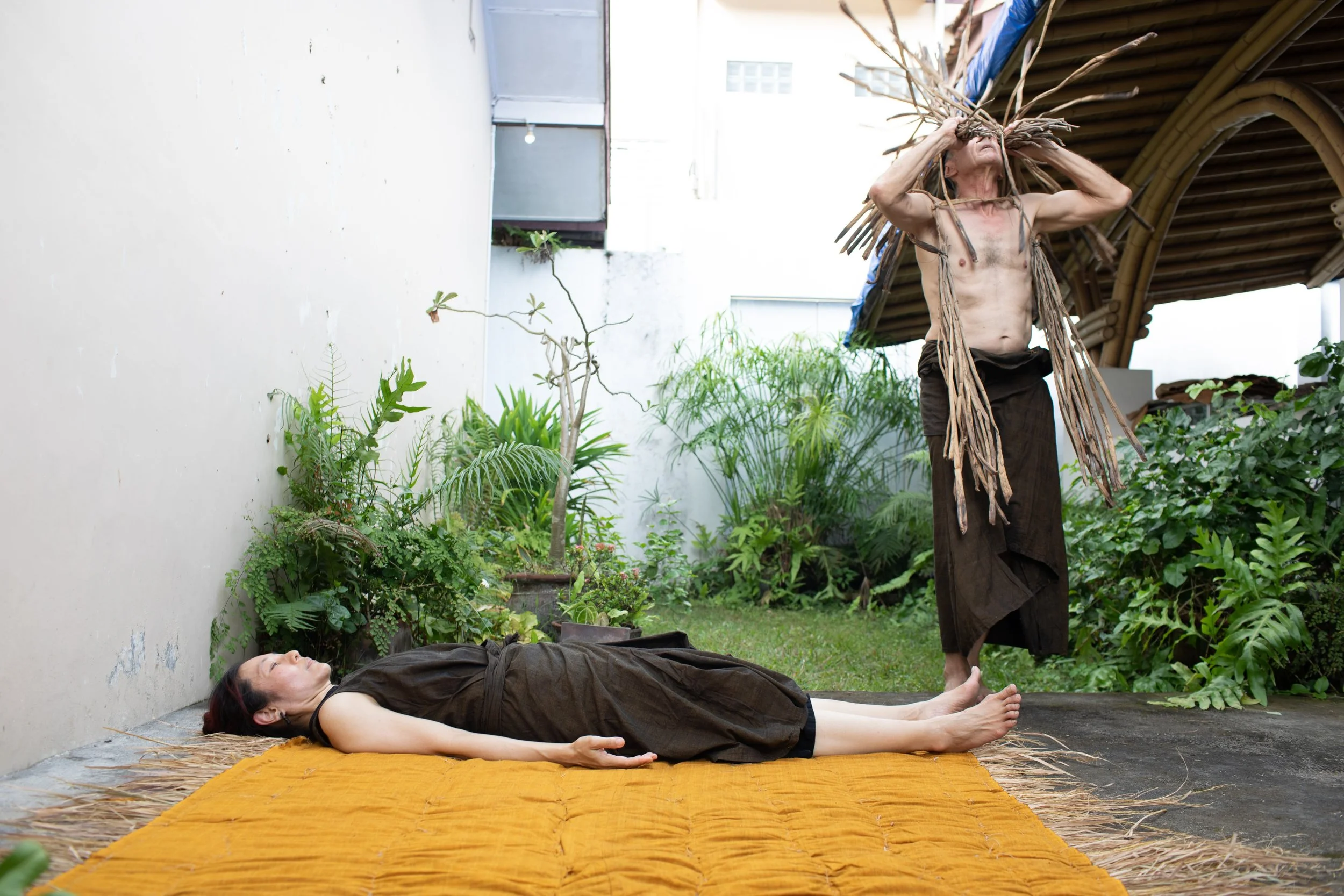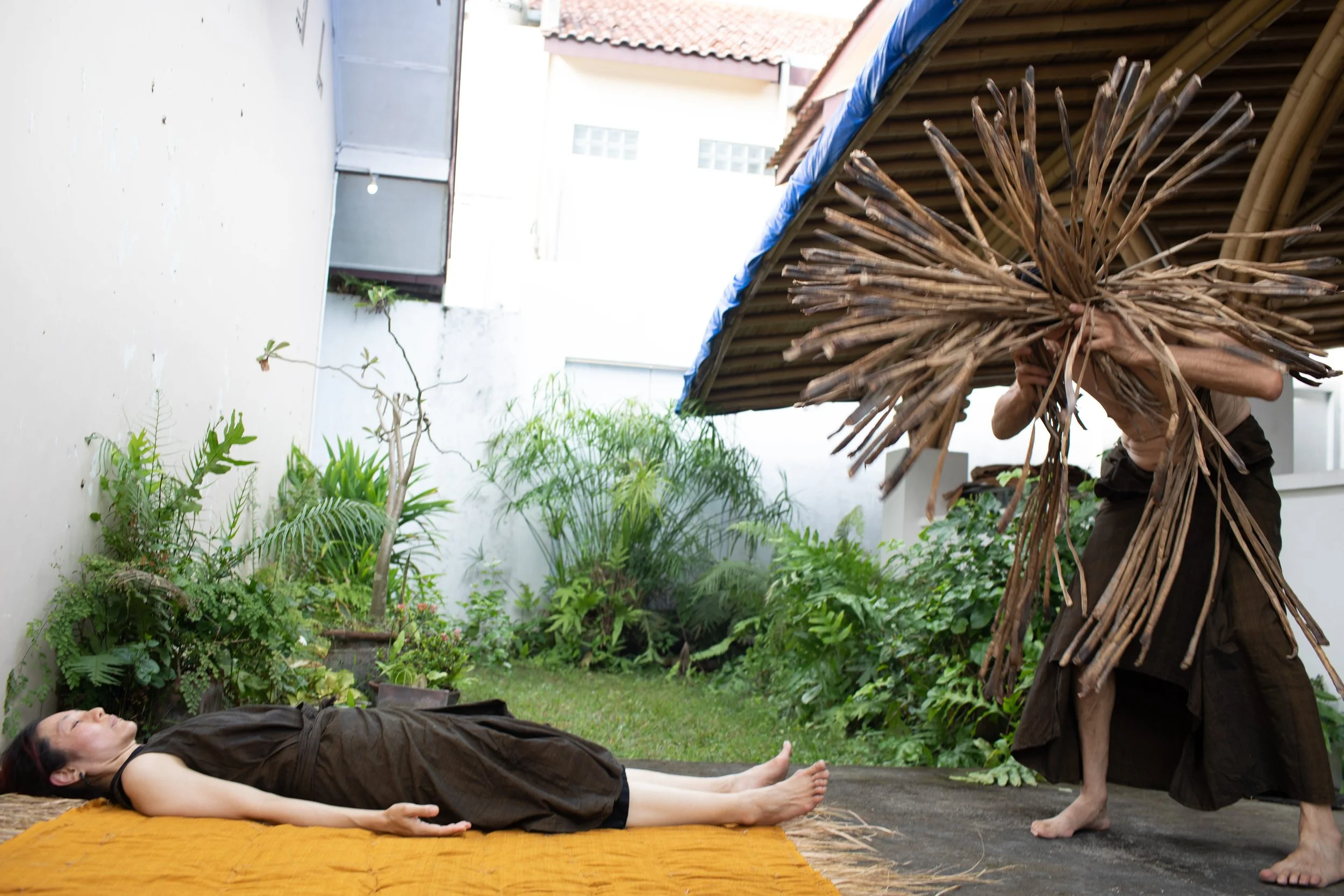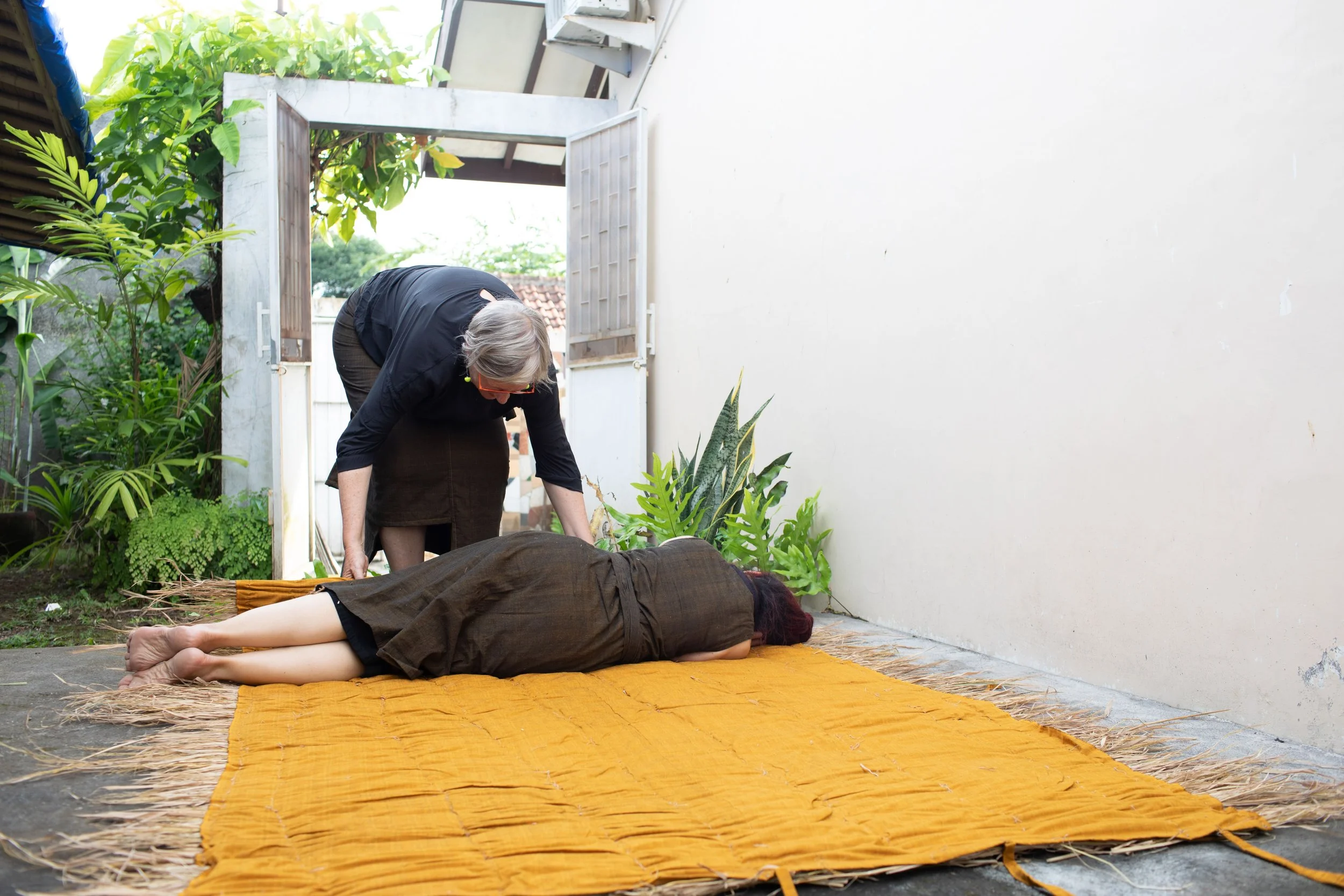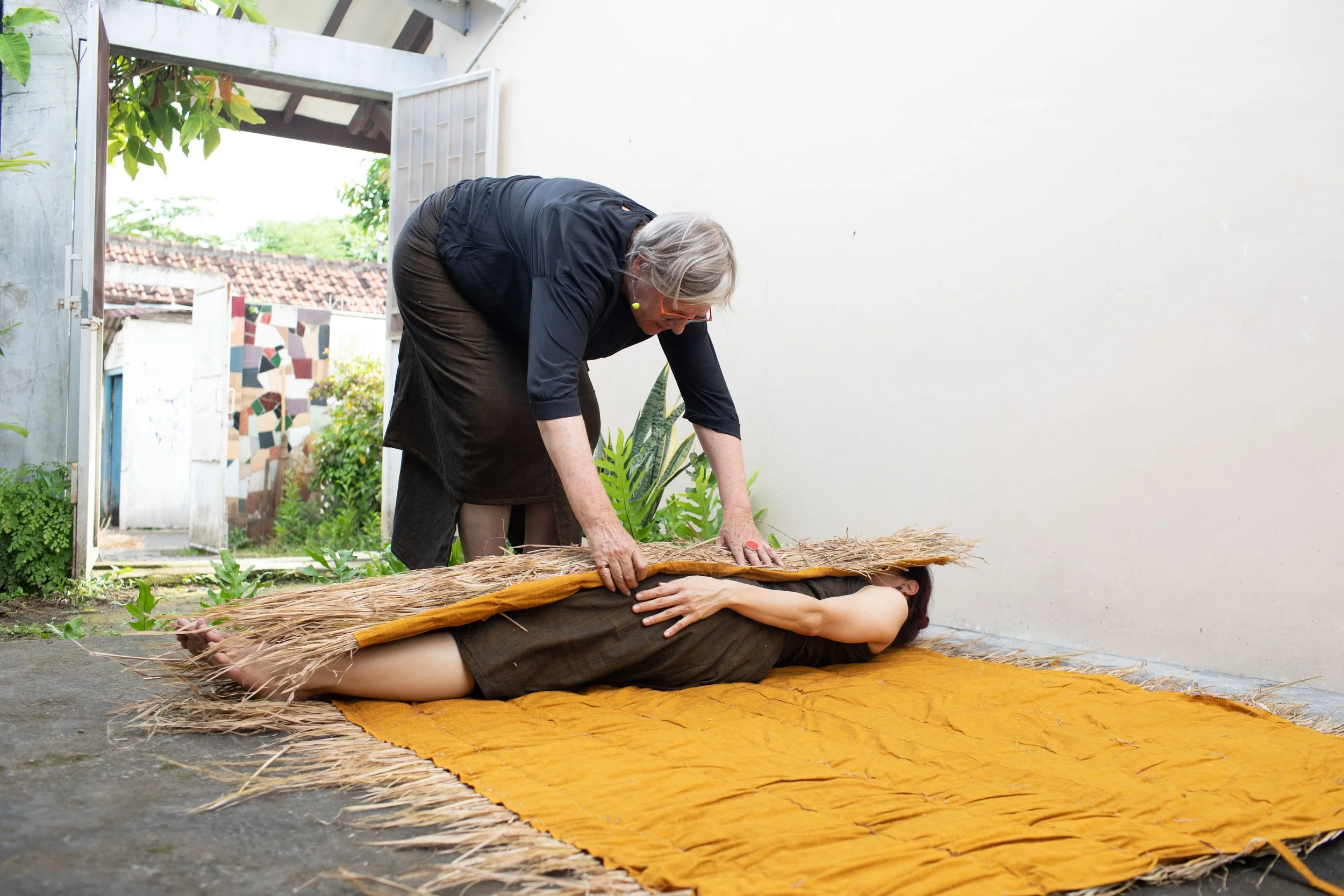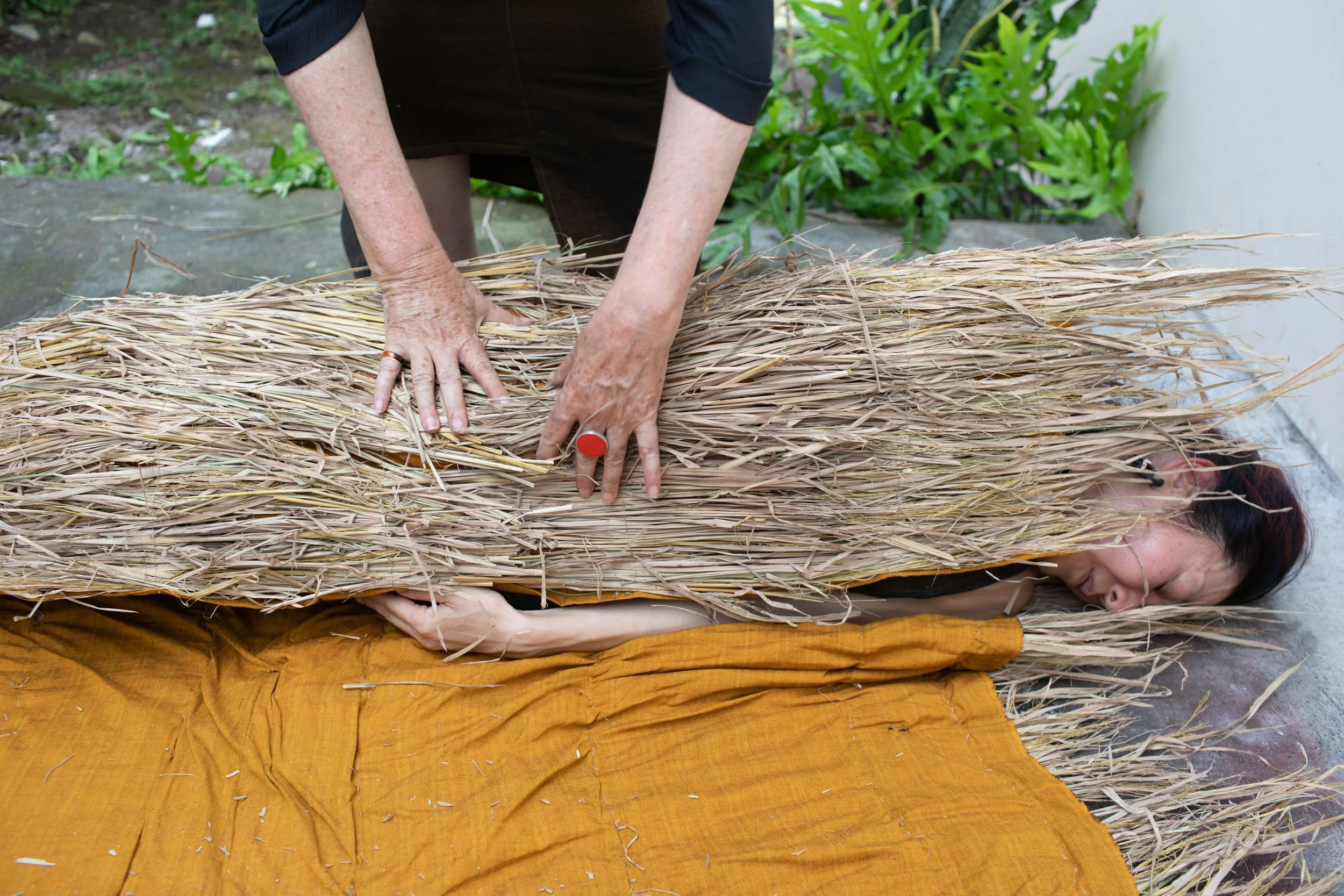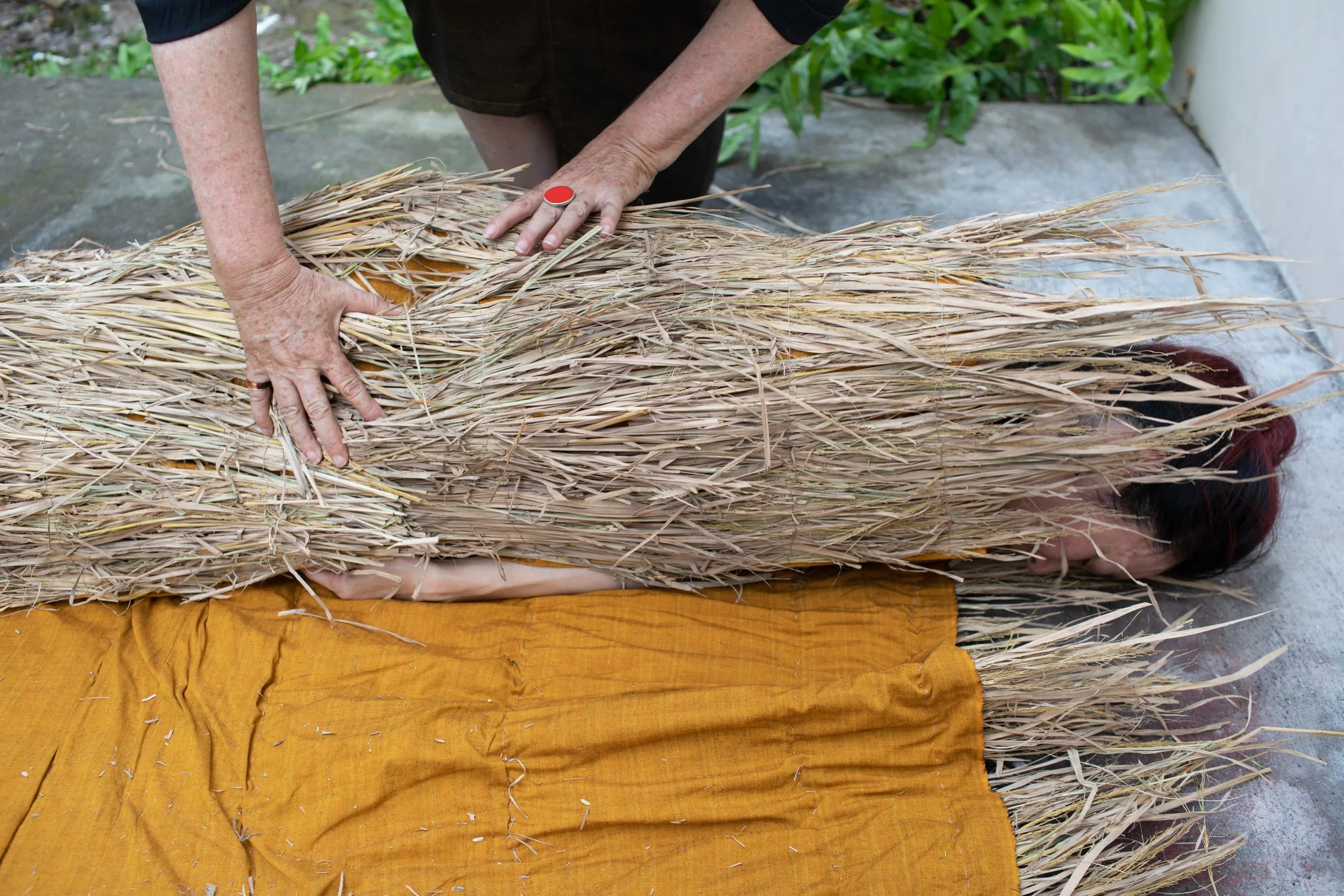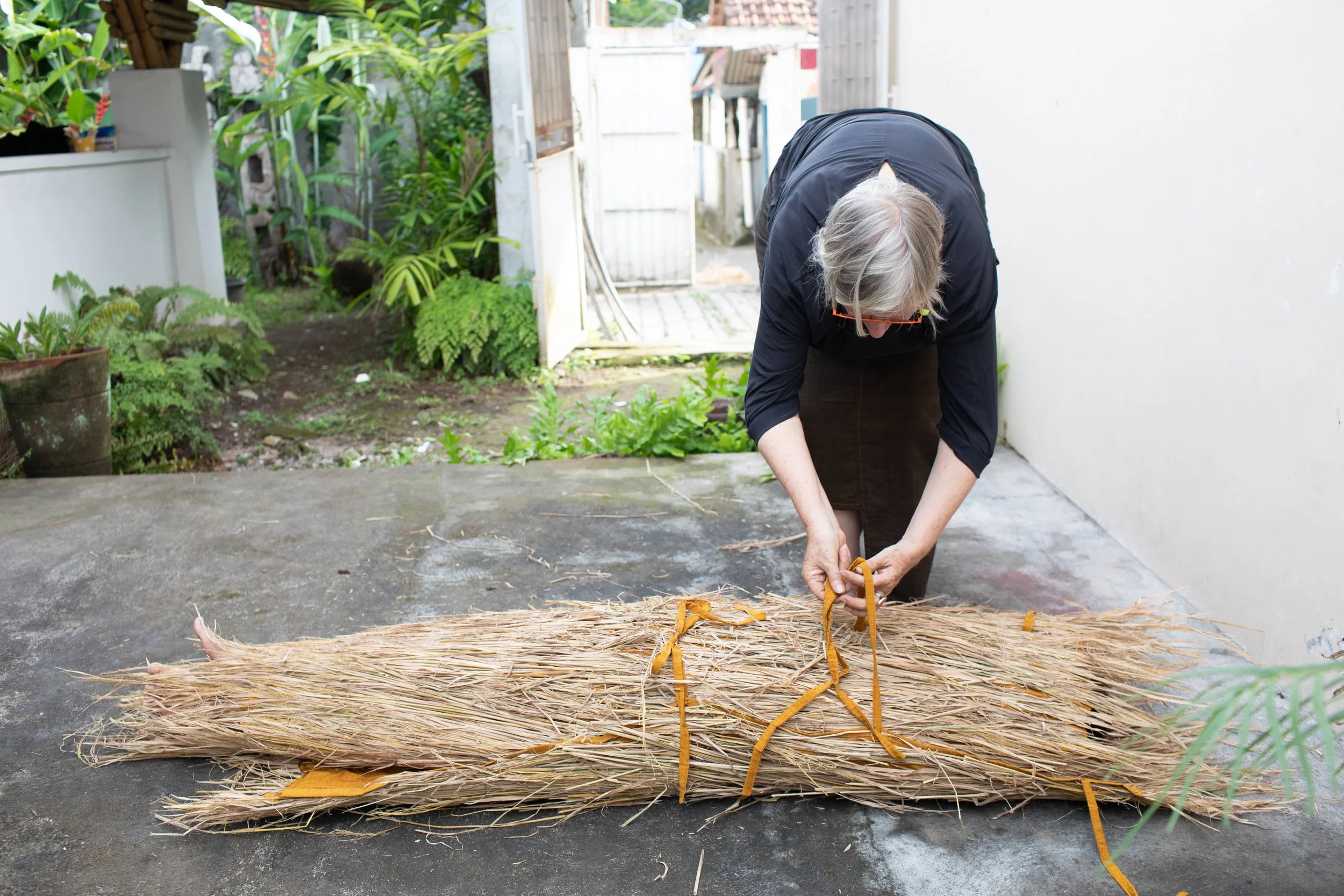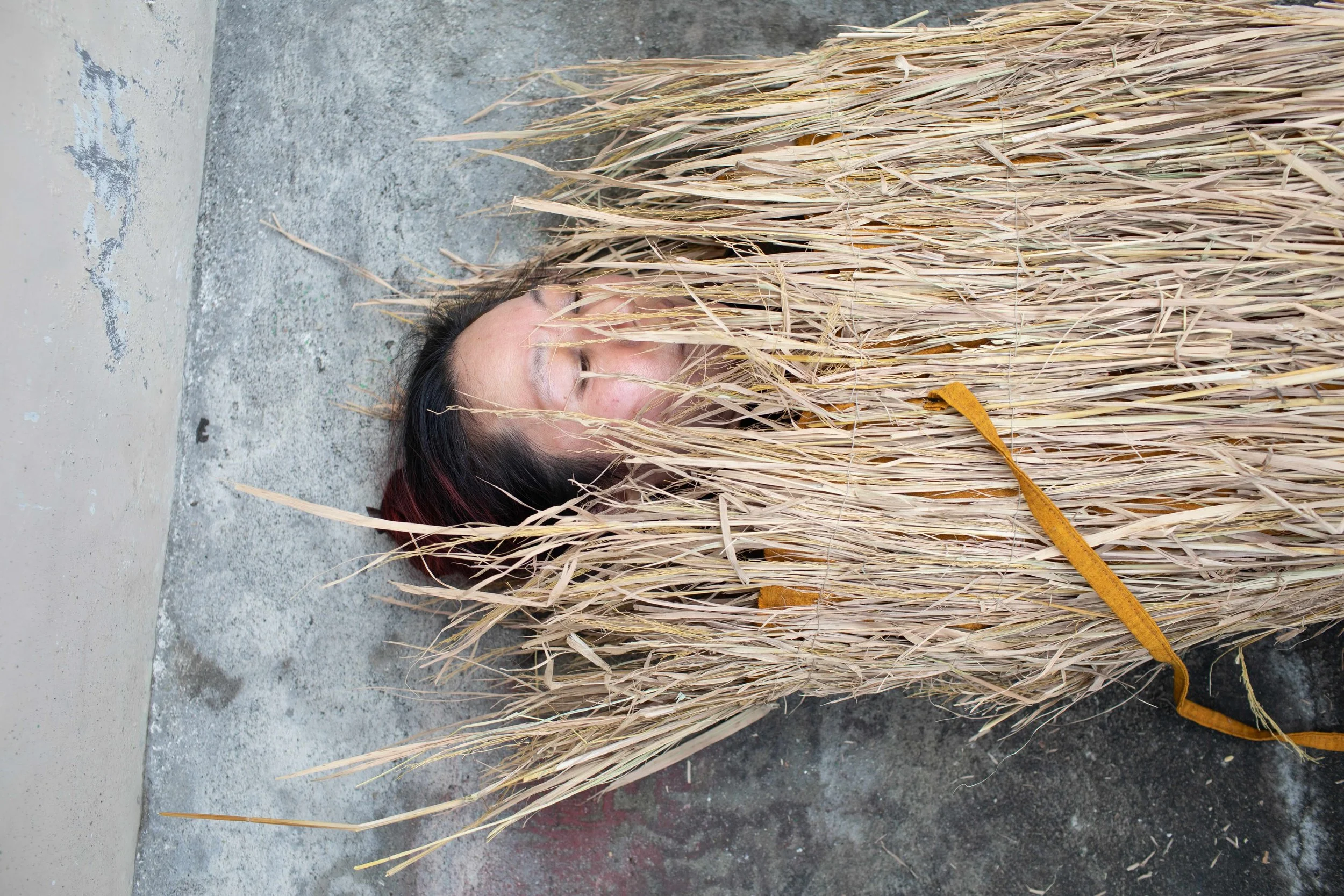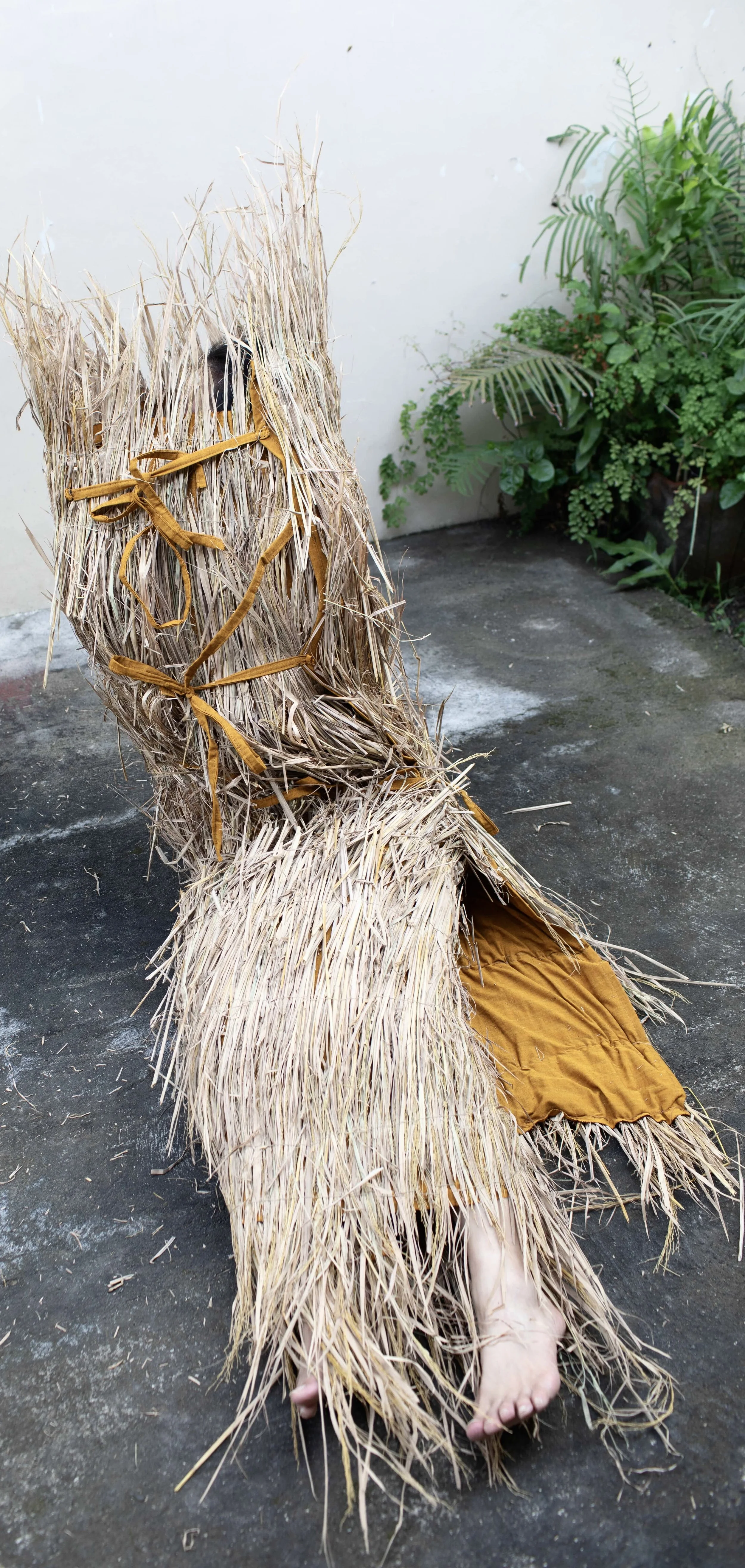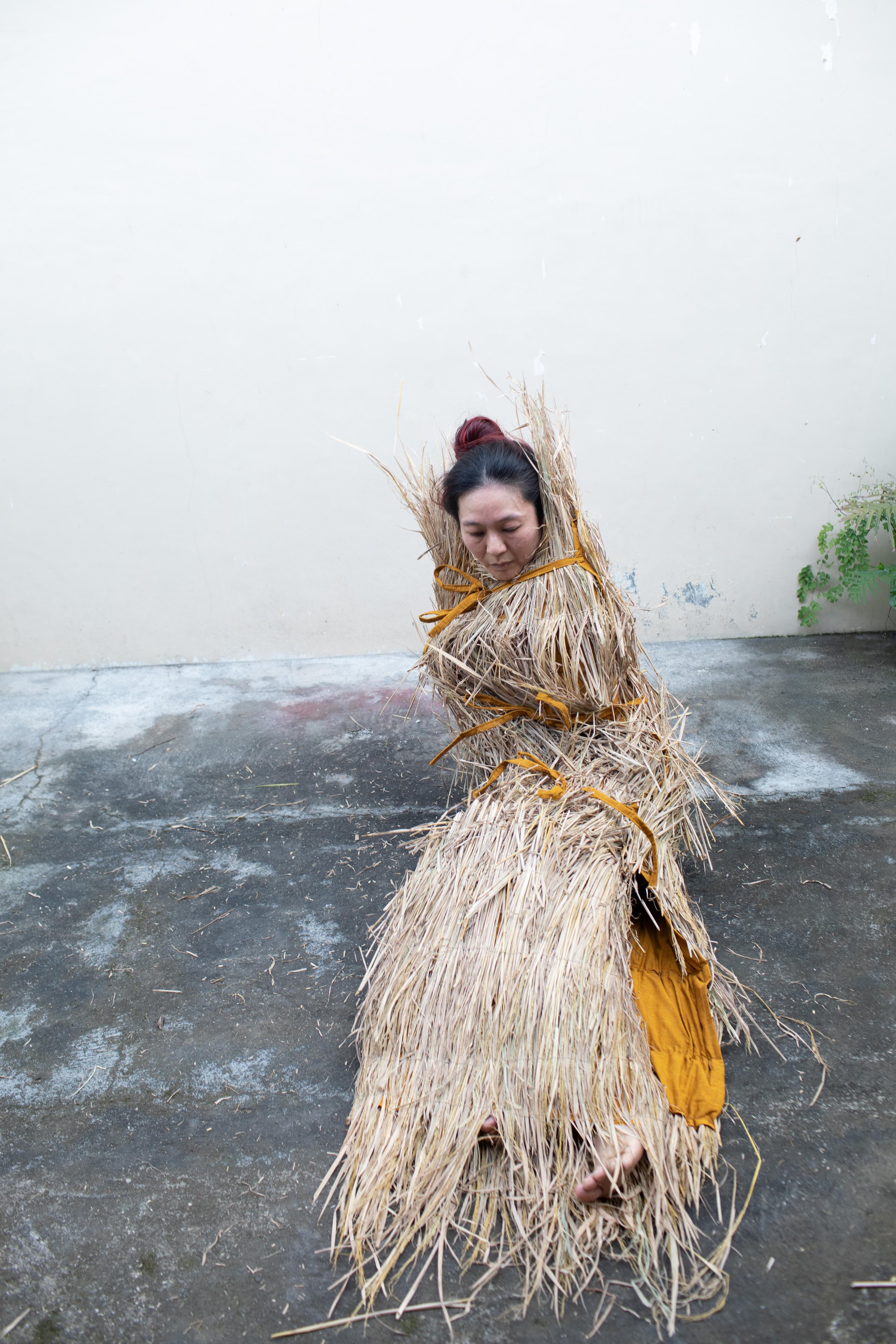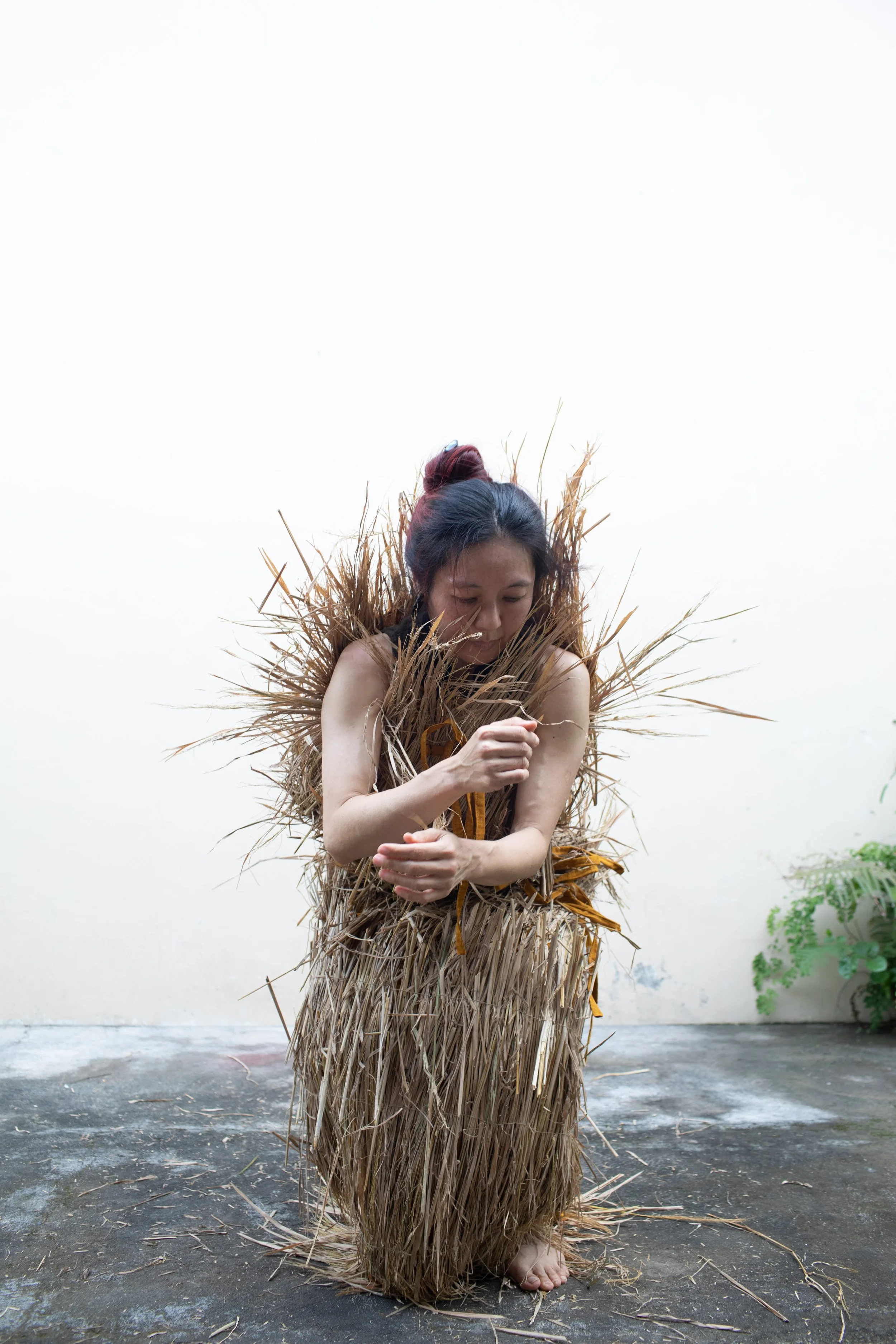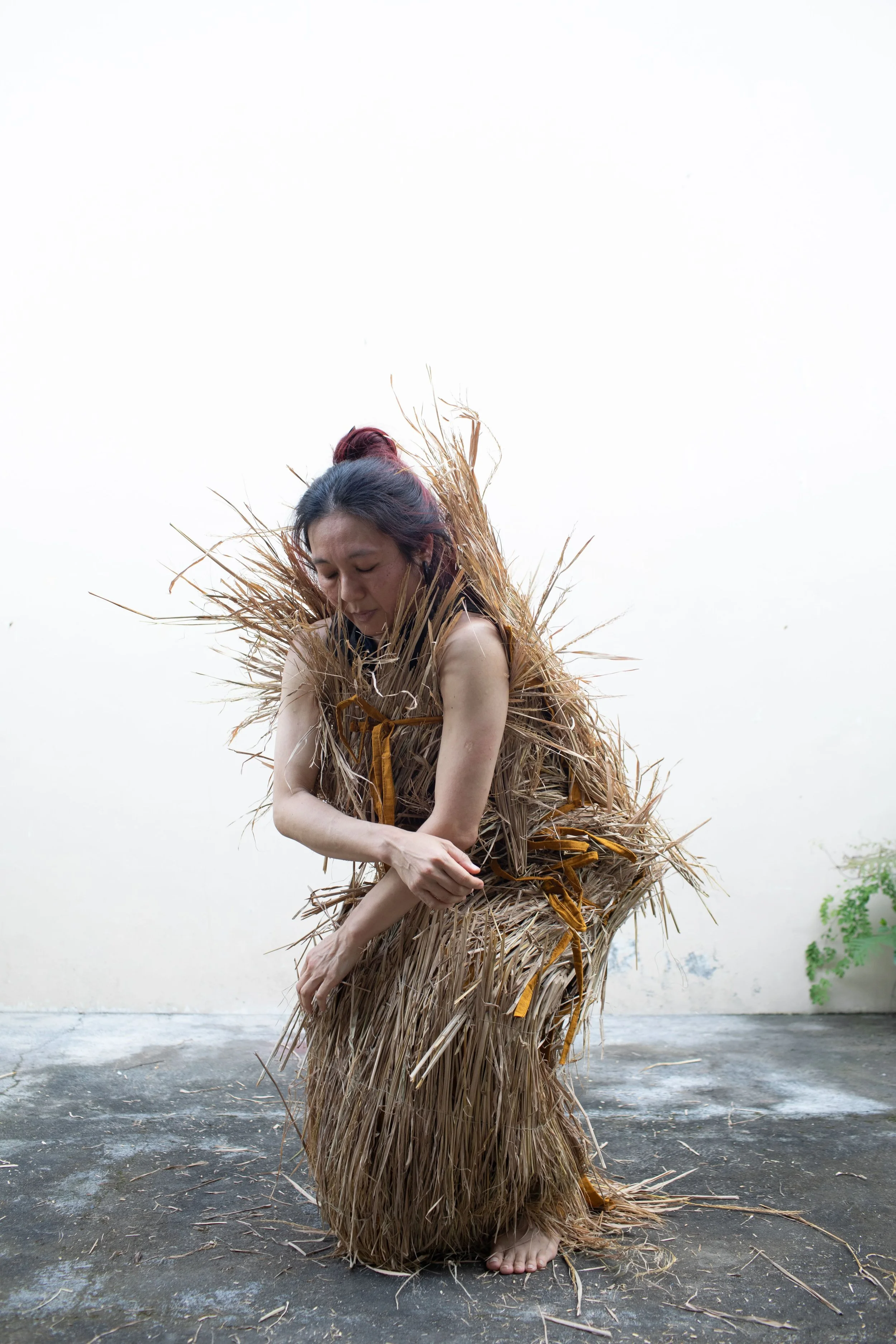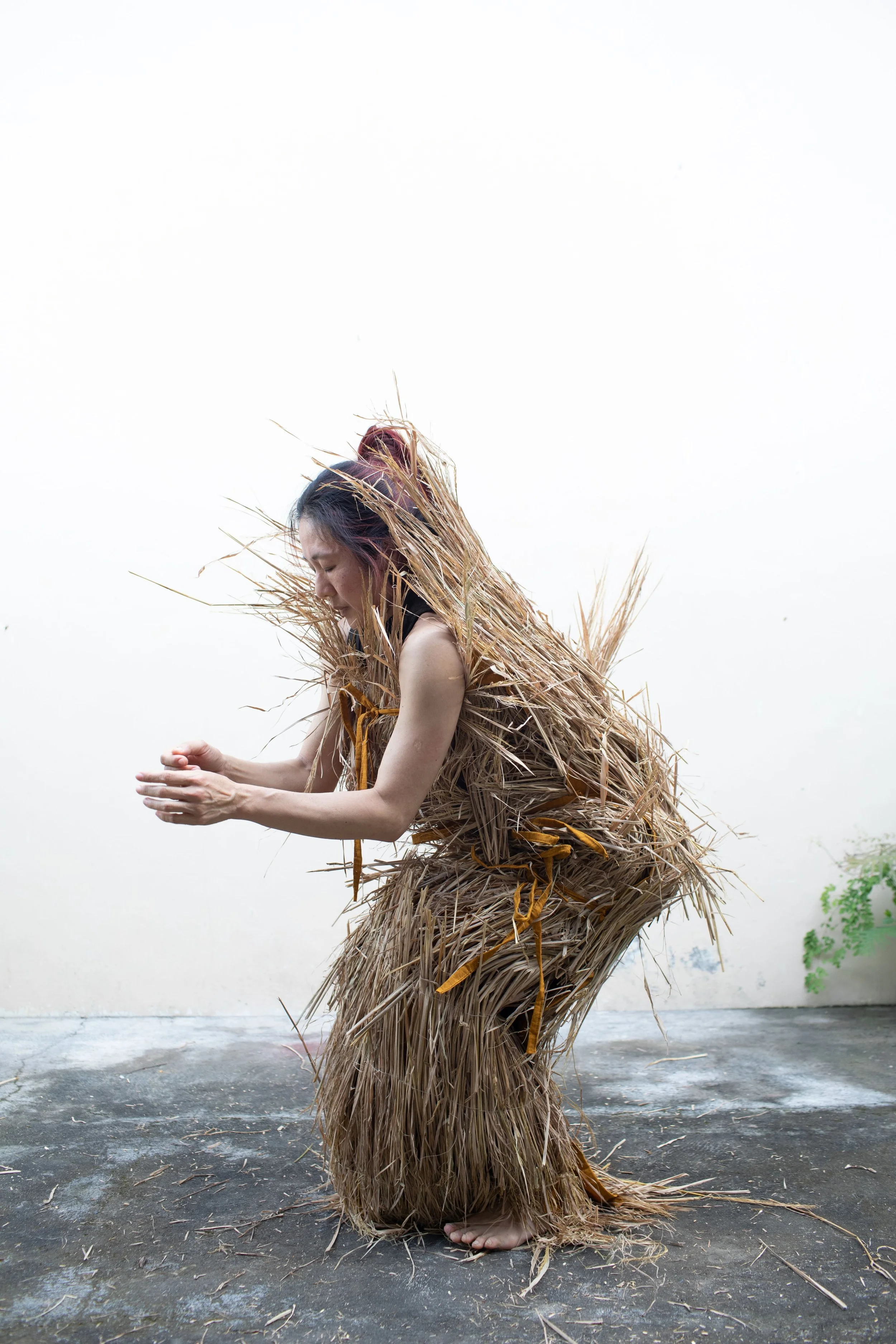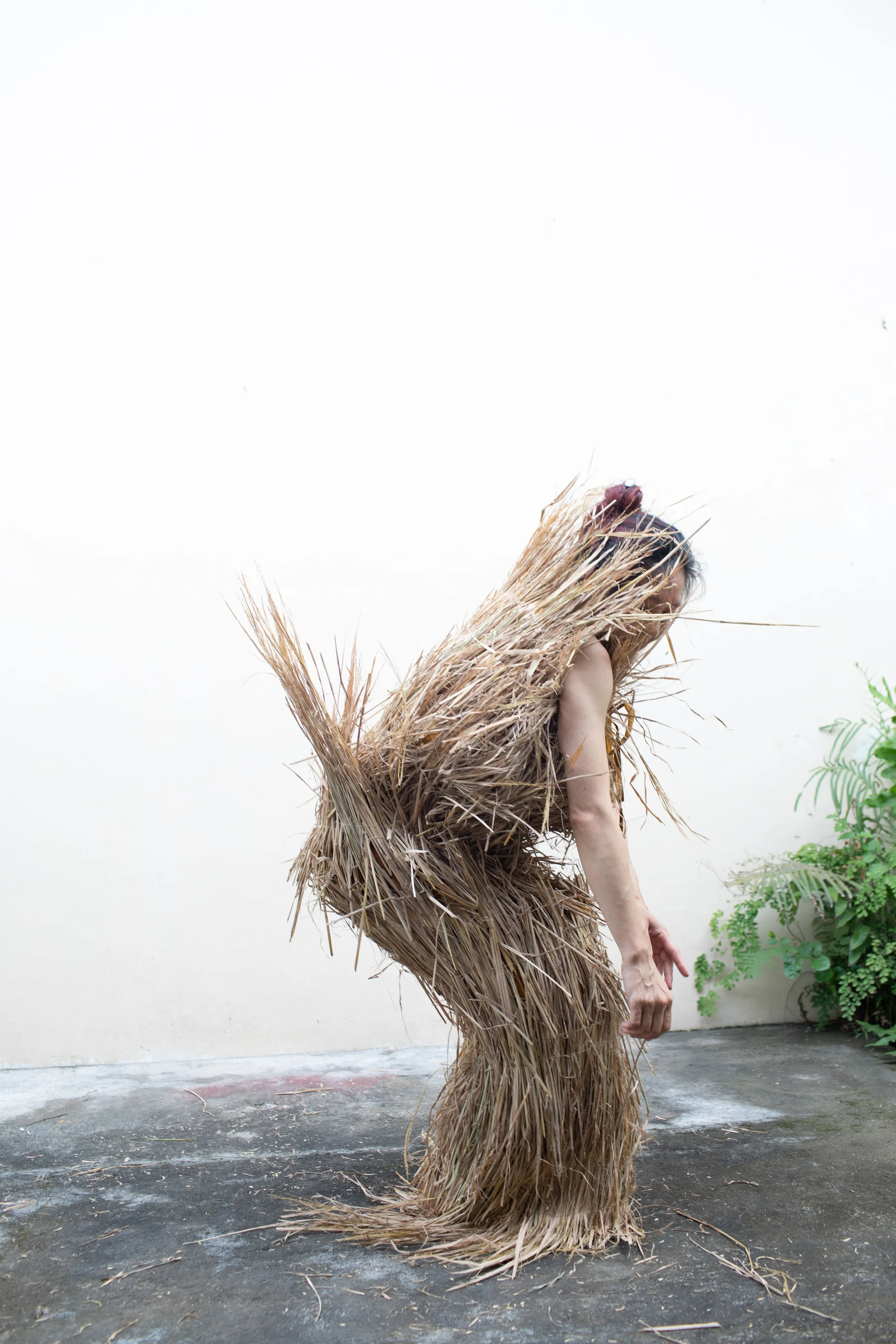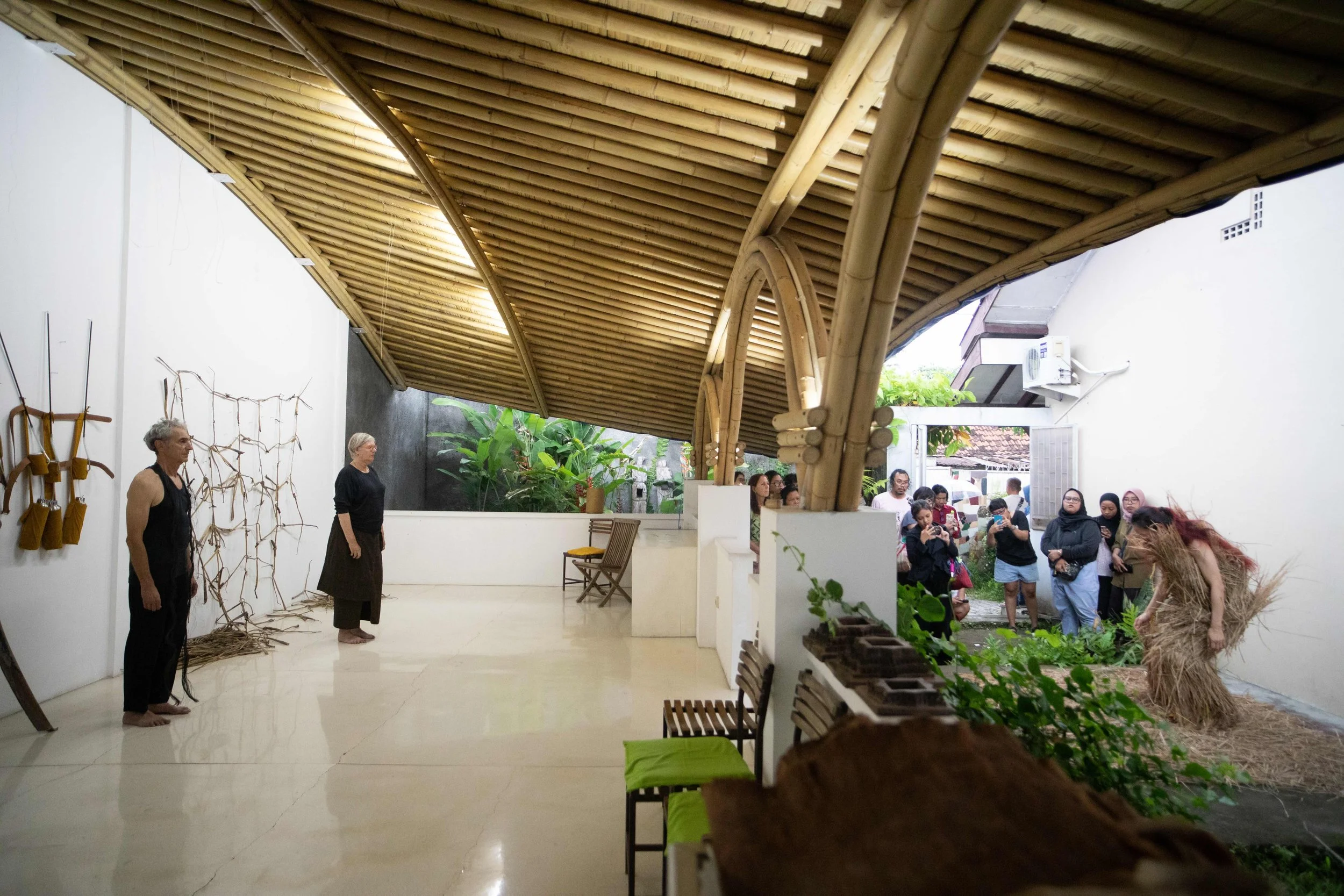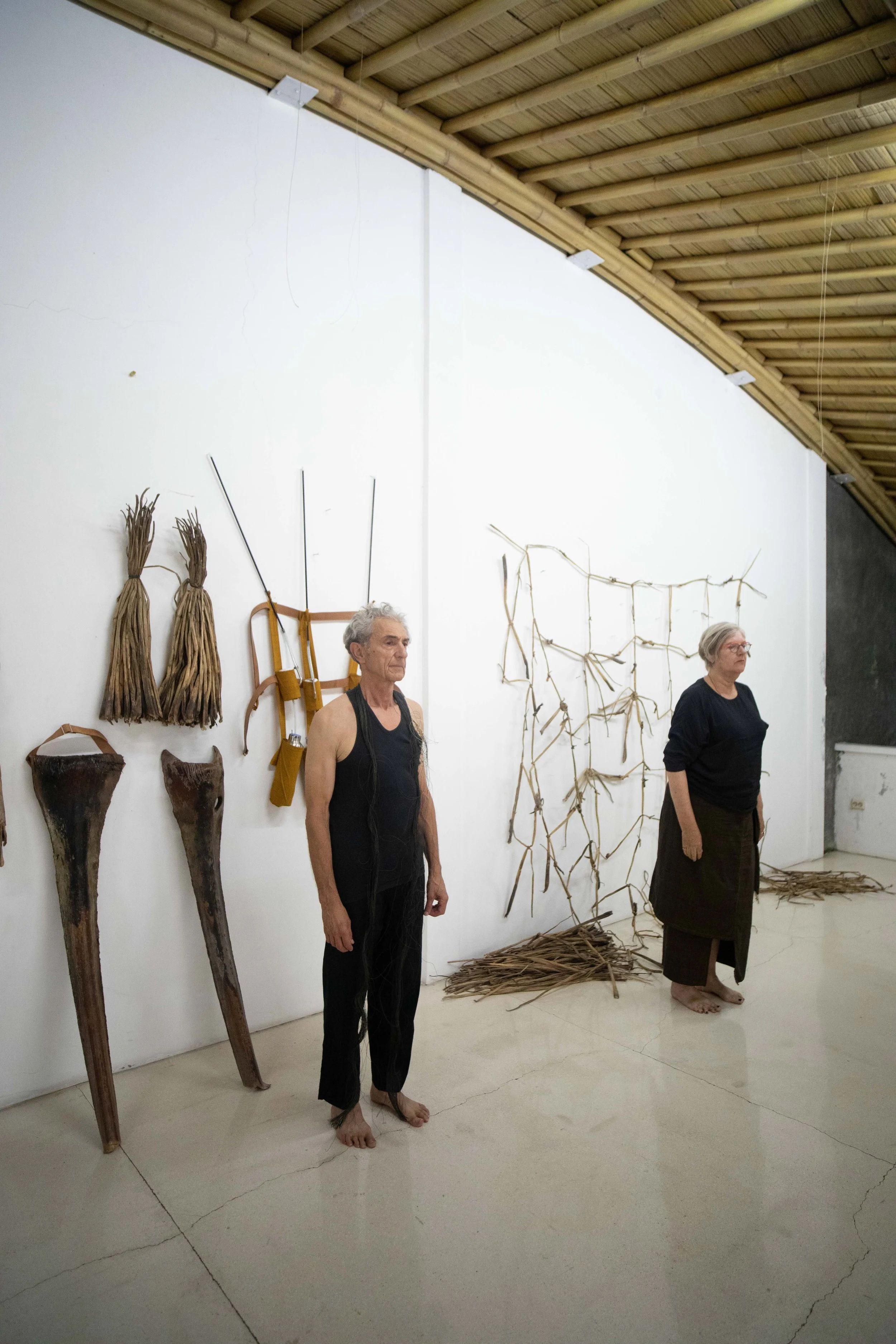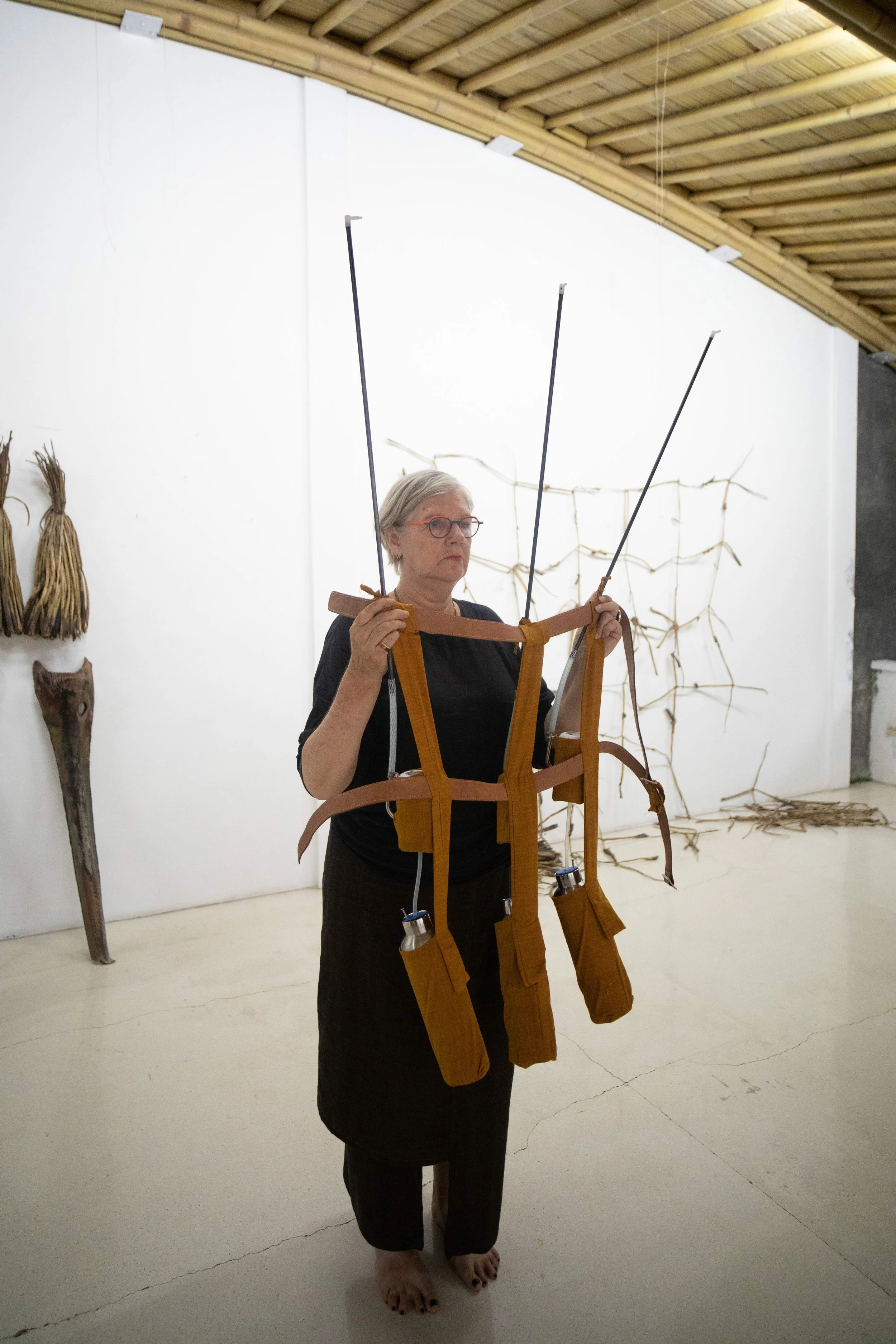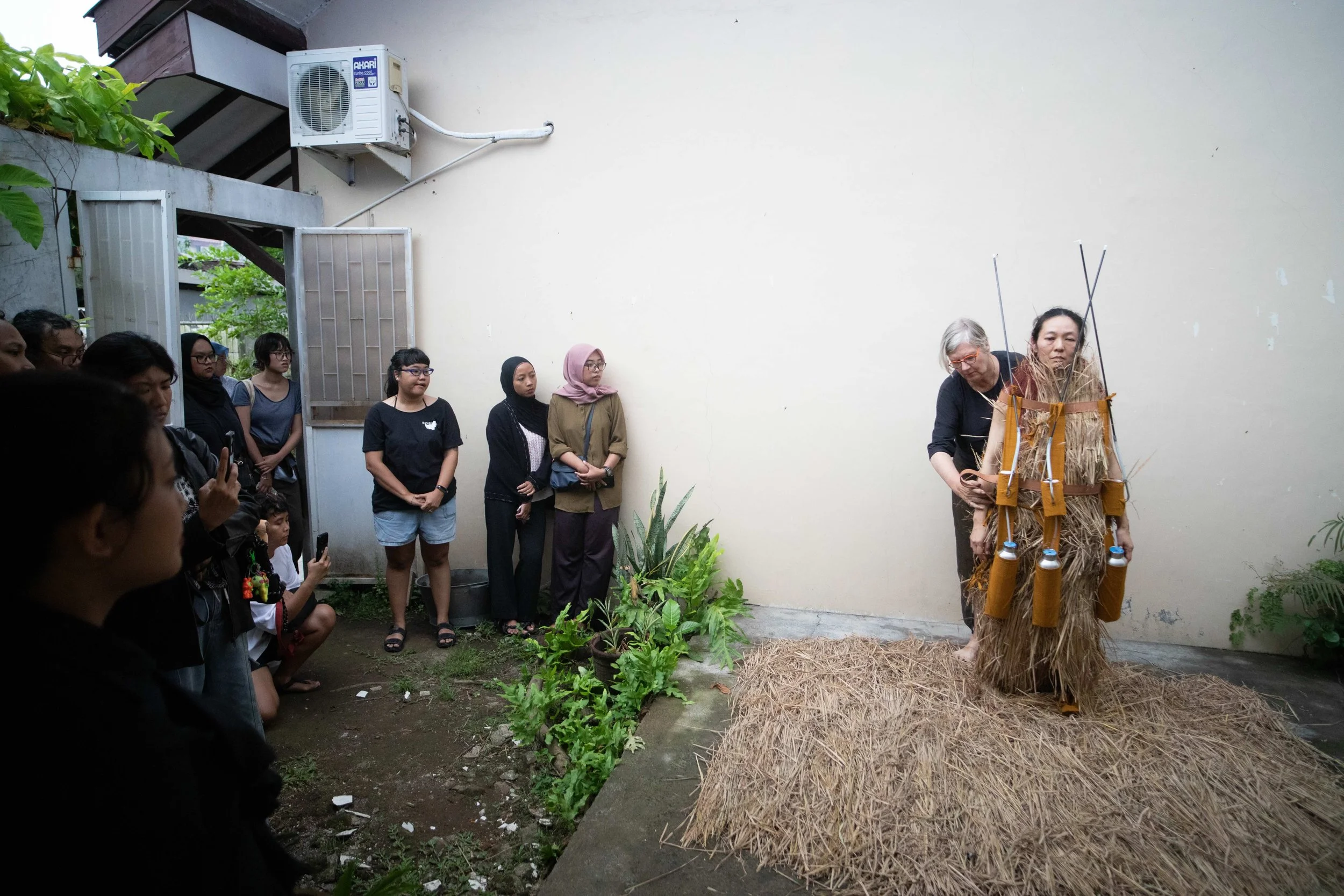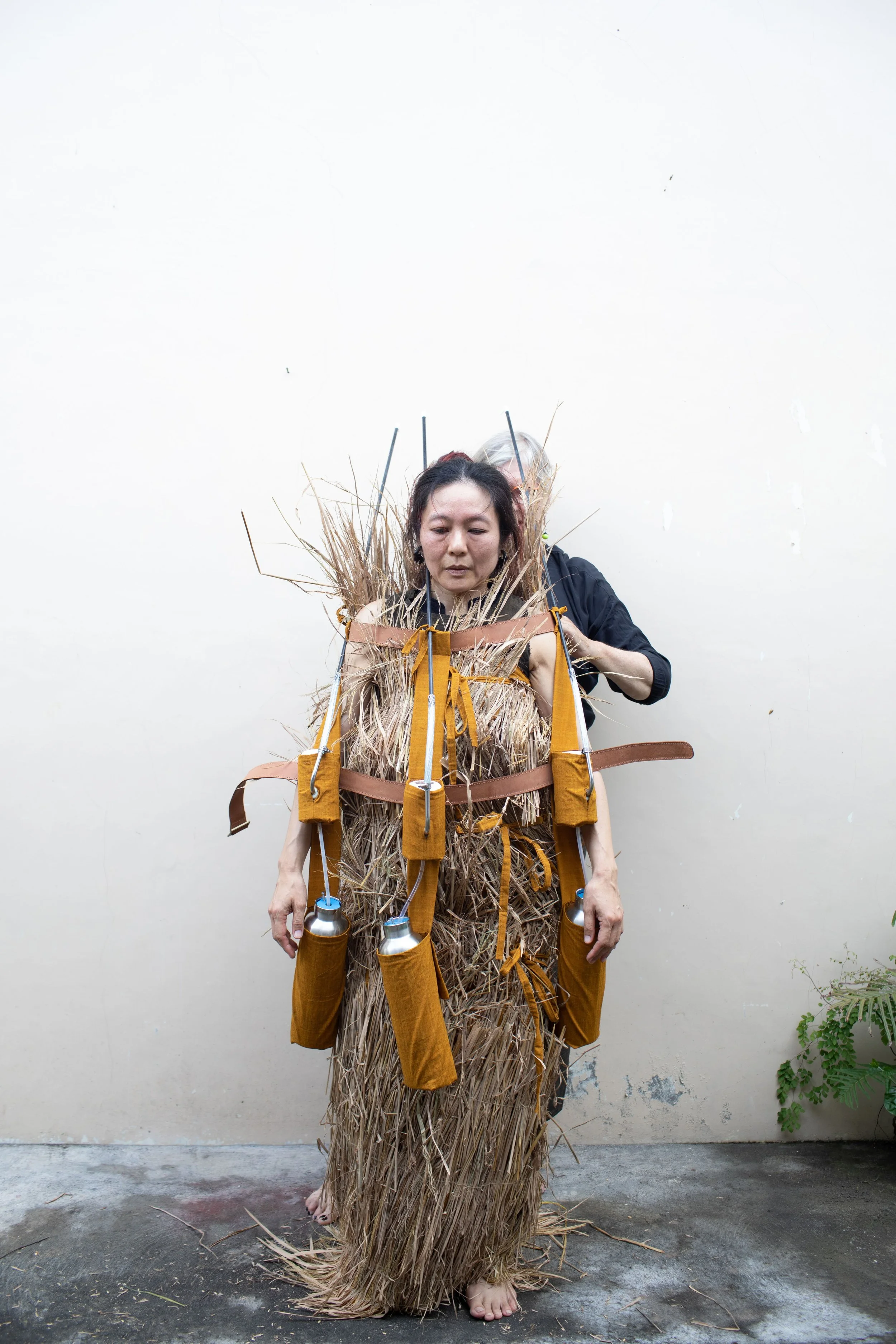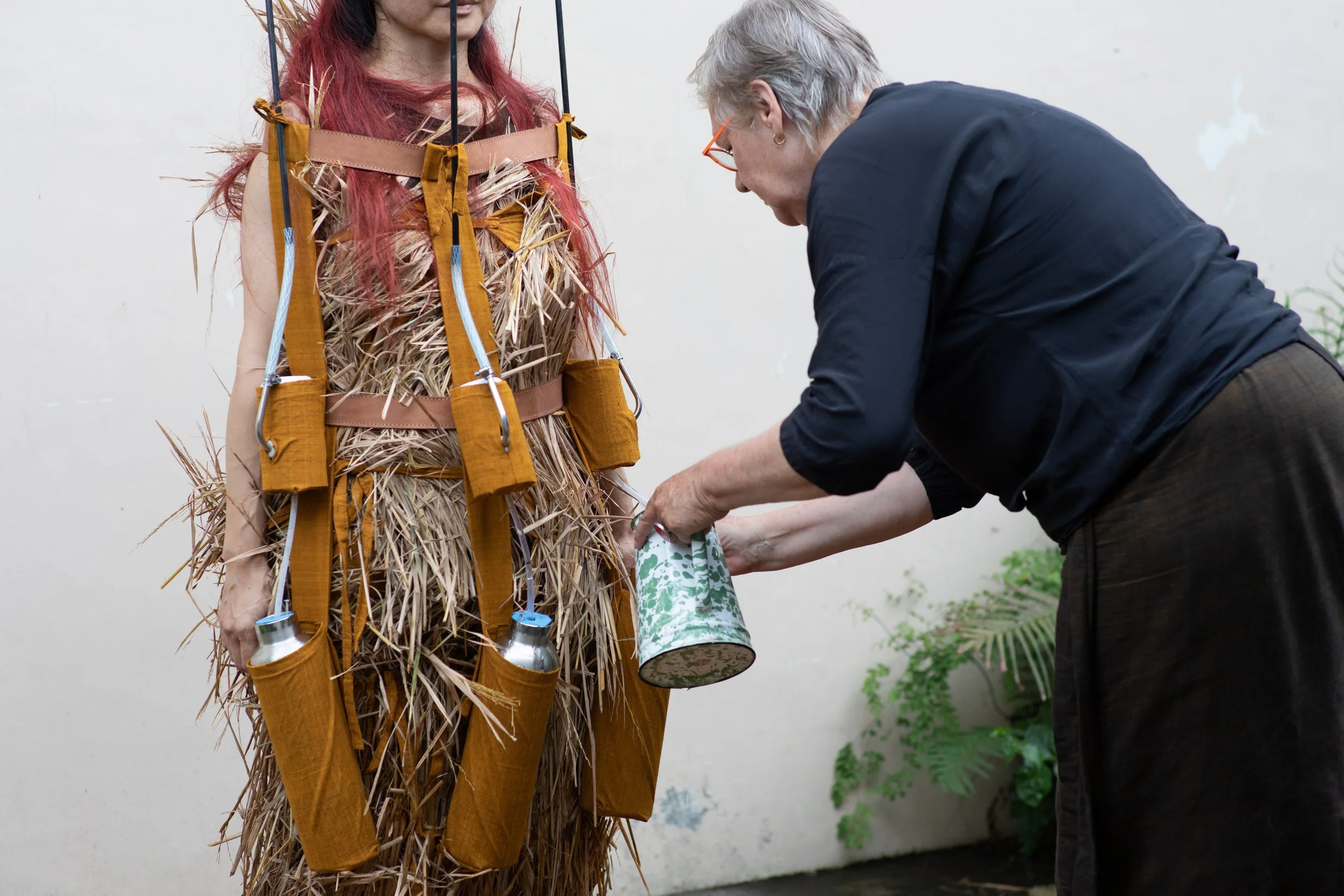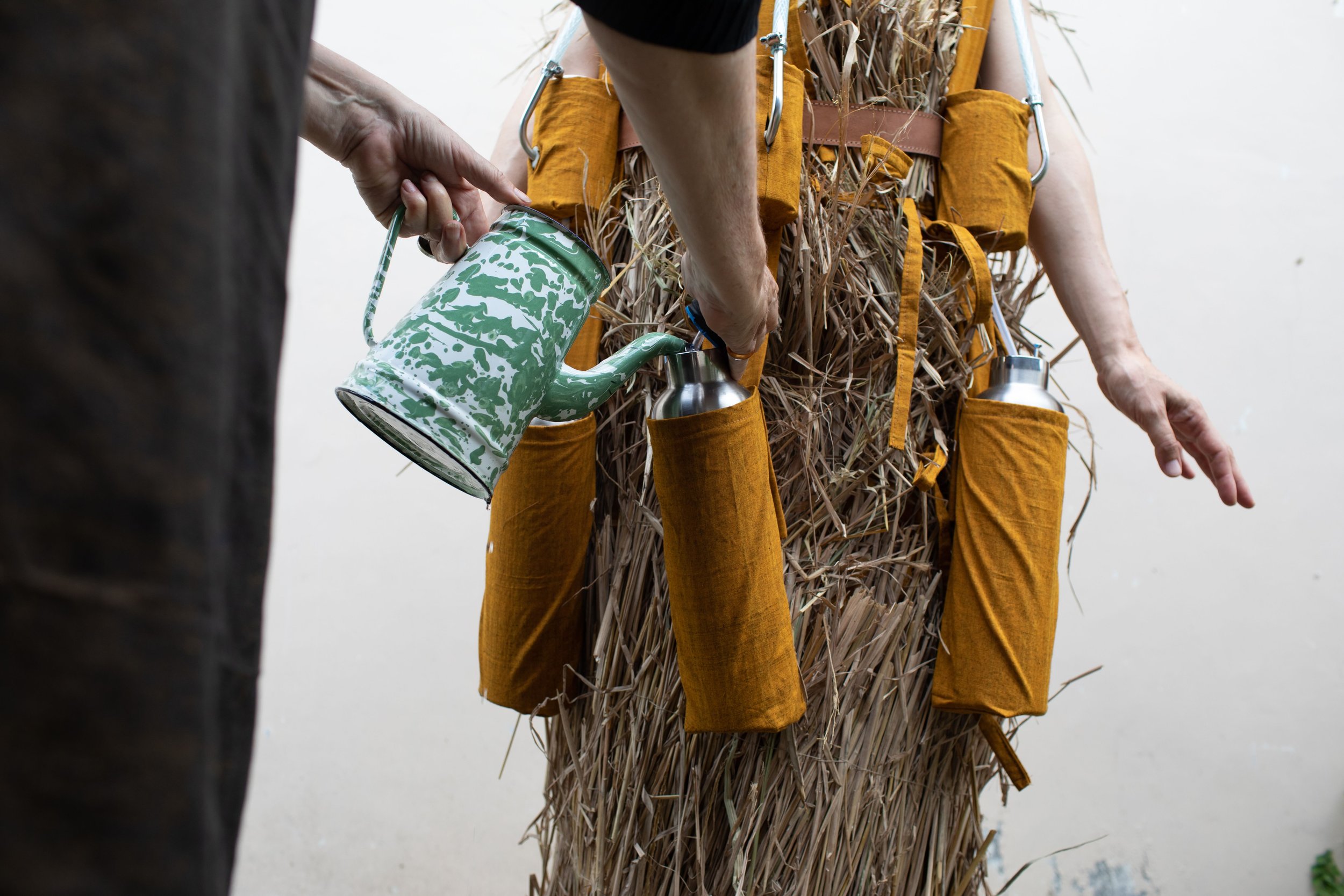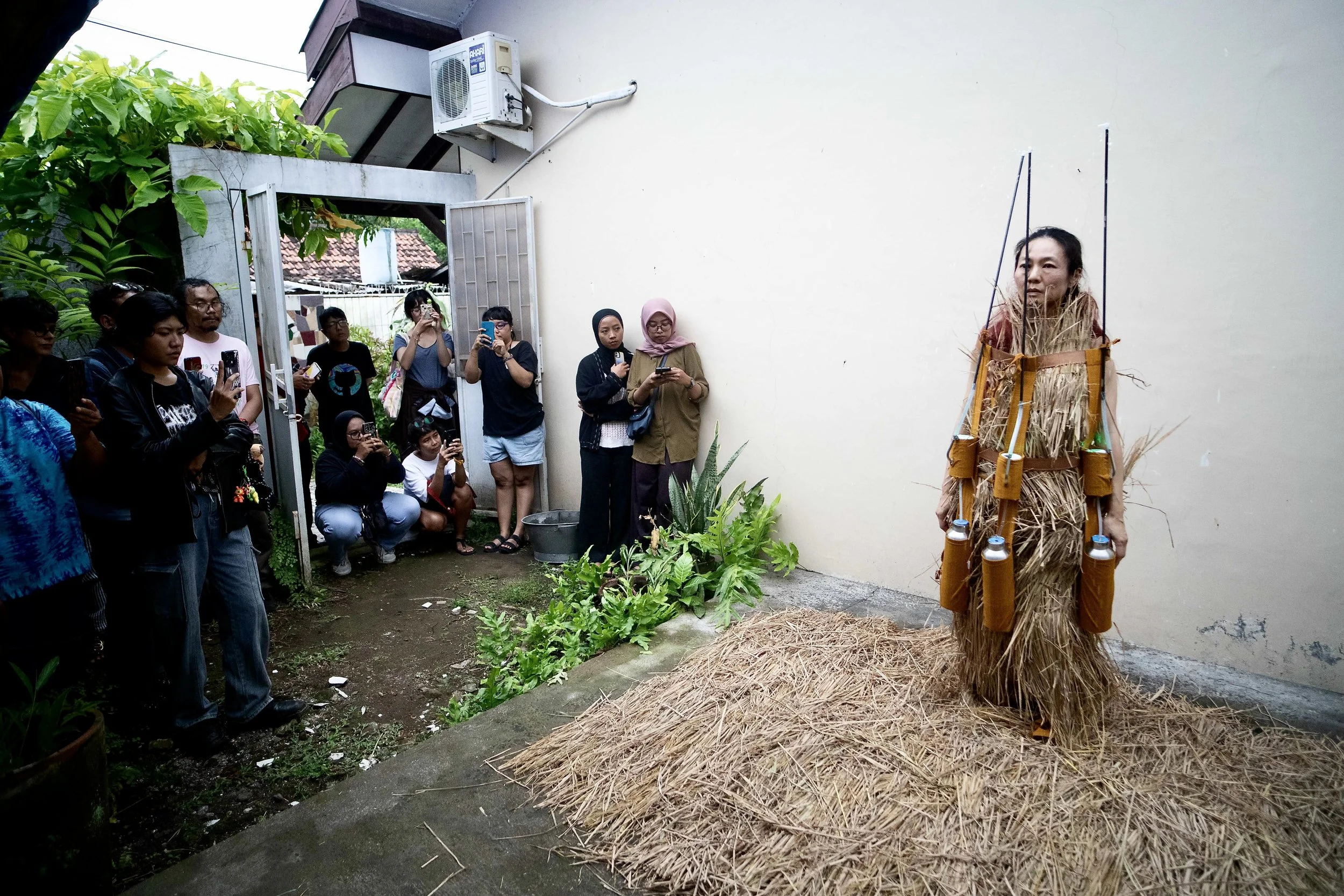
Memory Walks II
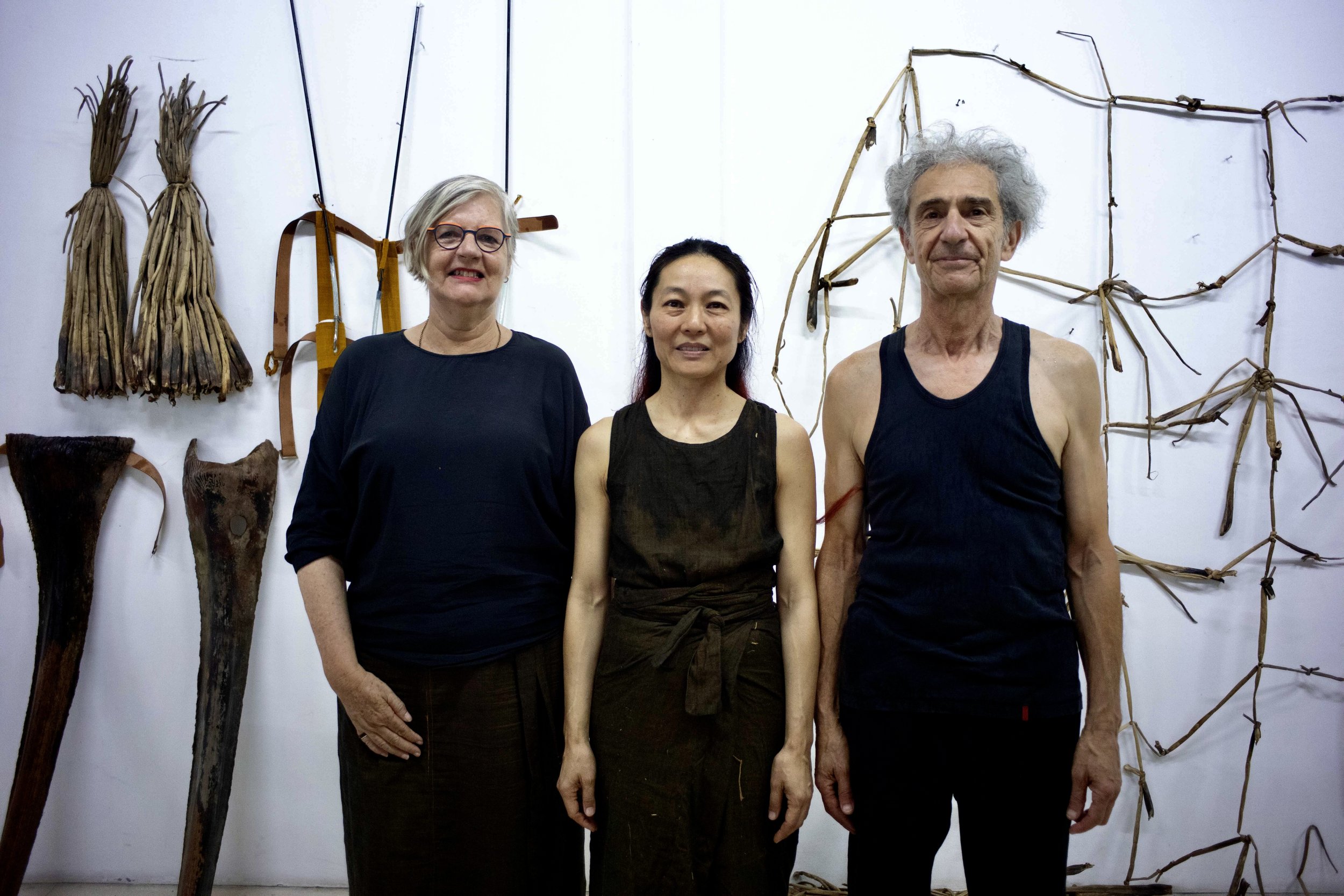
Mella Jaarsma, Alan Schacher, WeiZen Ho
Walks and Stories in Bantul and Kulon Progo areas 23 Dec - 3 Jan 2026
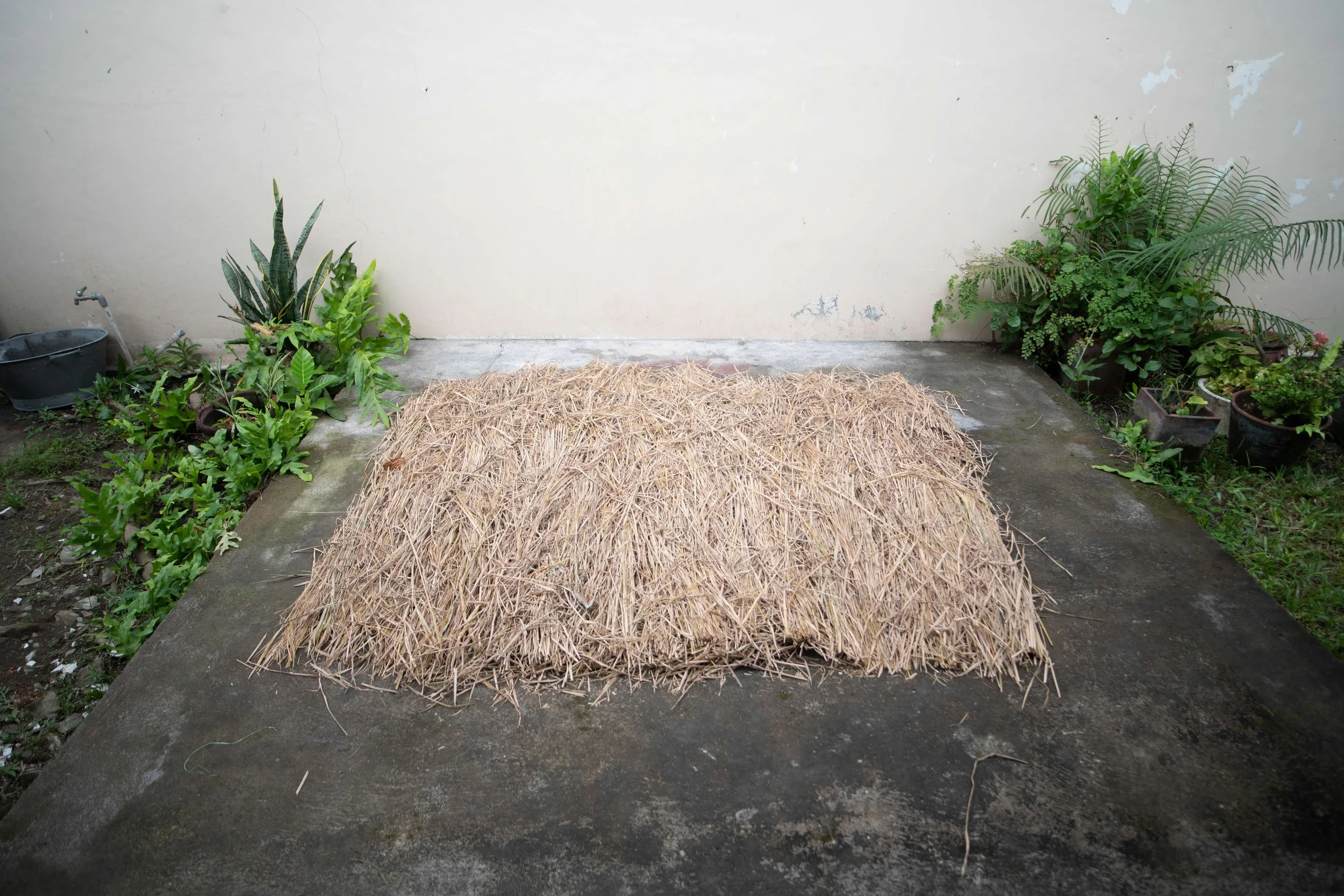
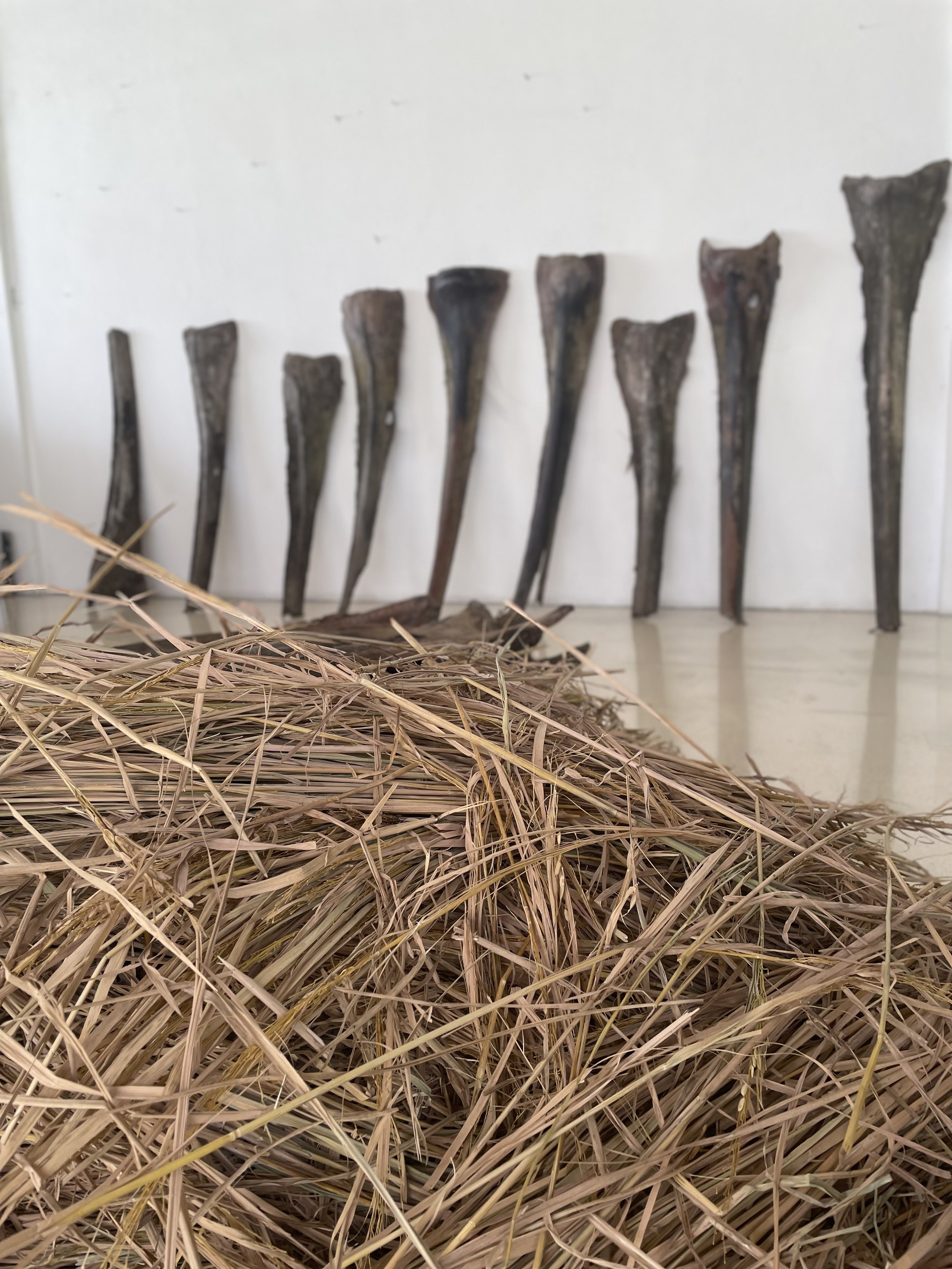
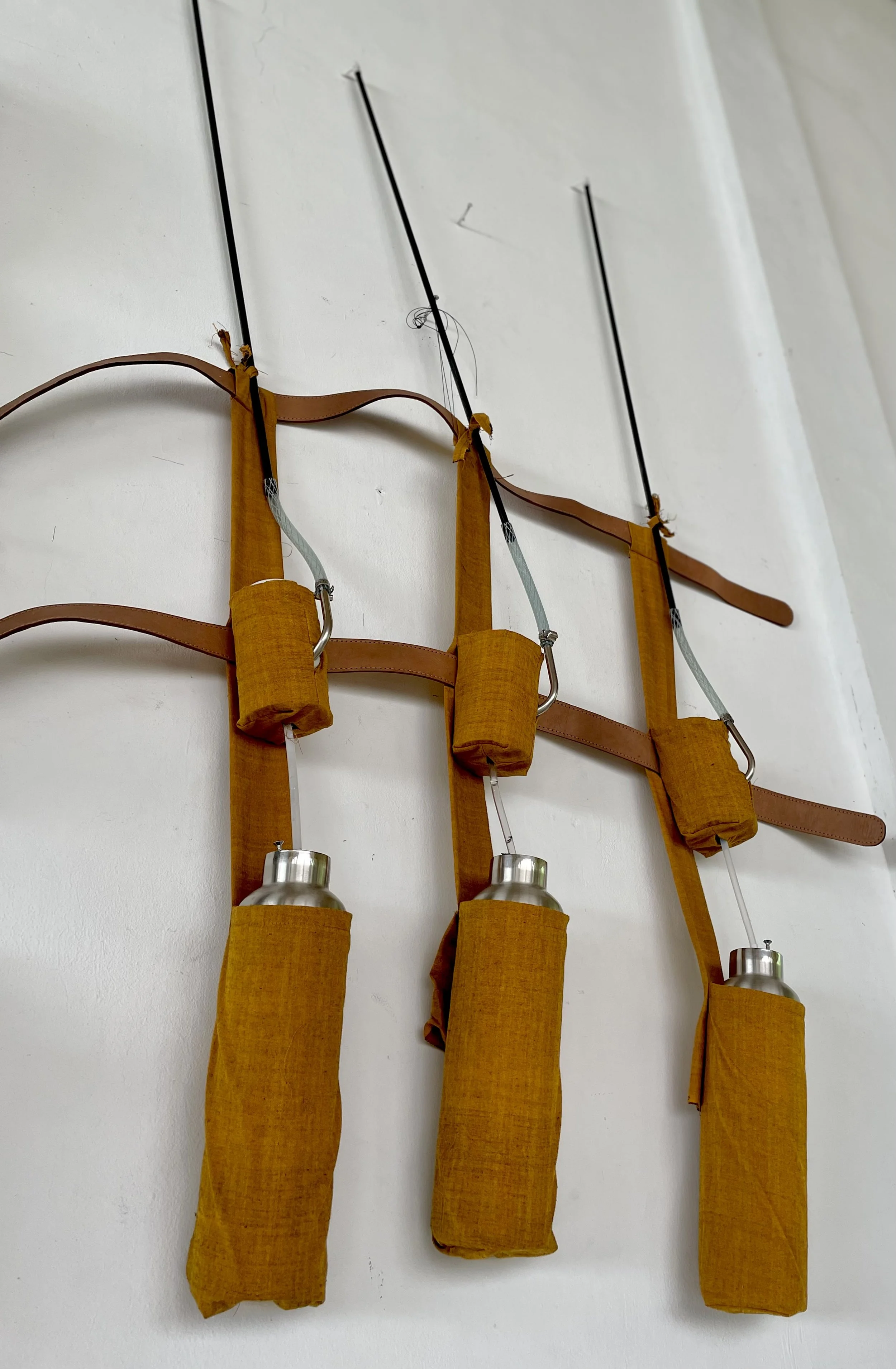
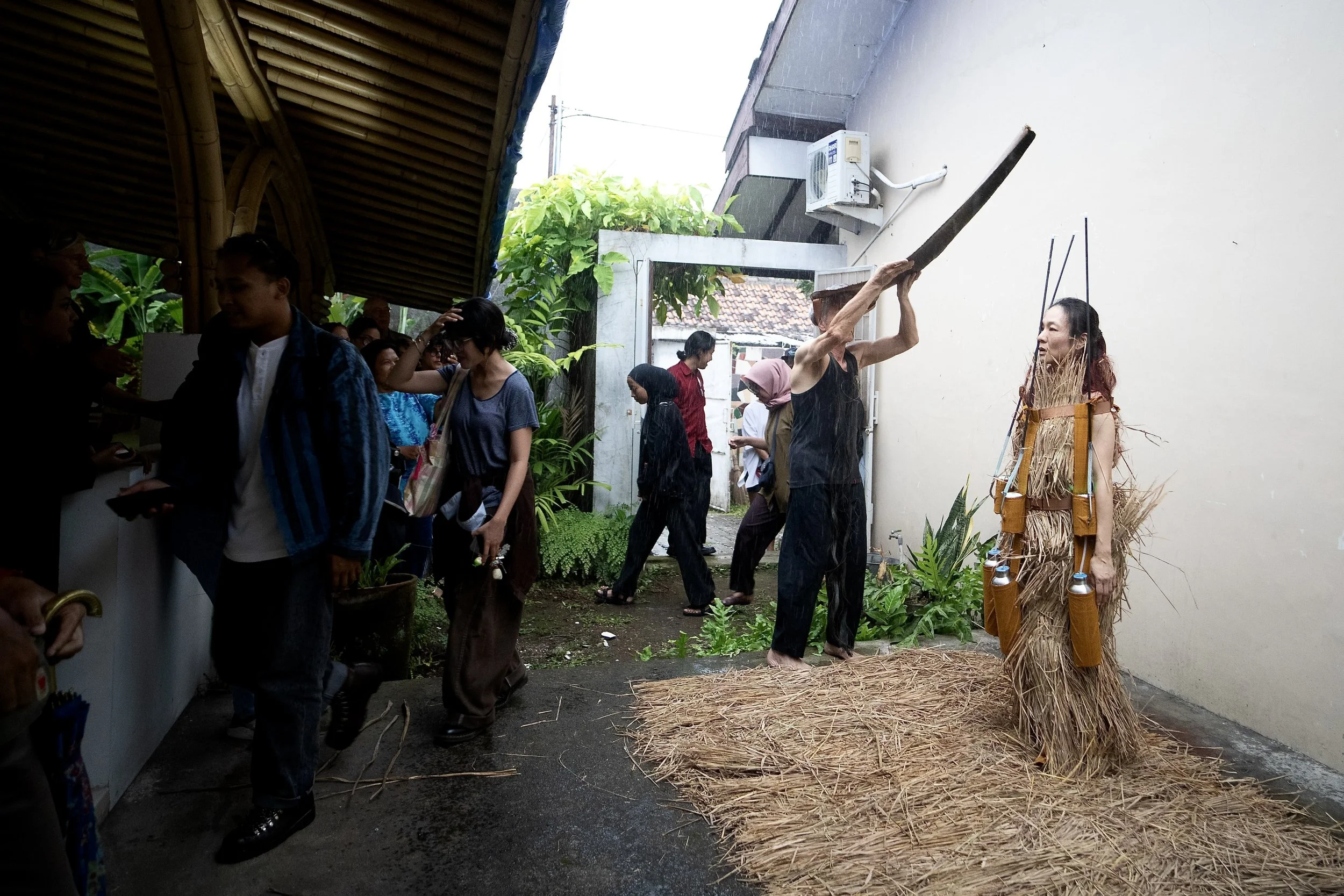
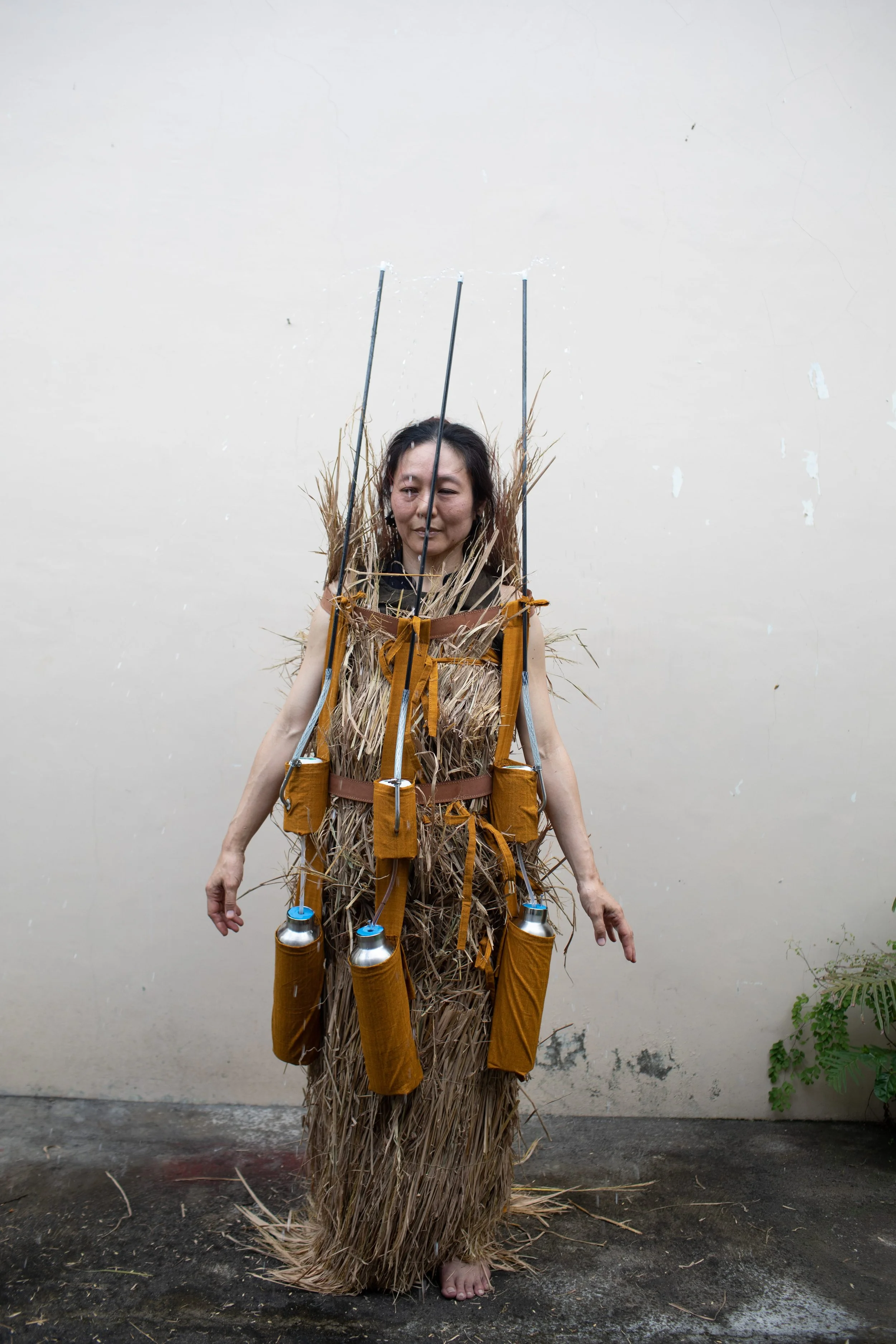
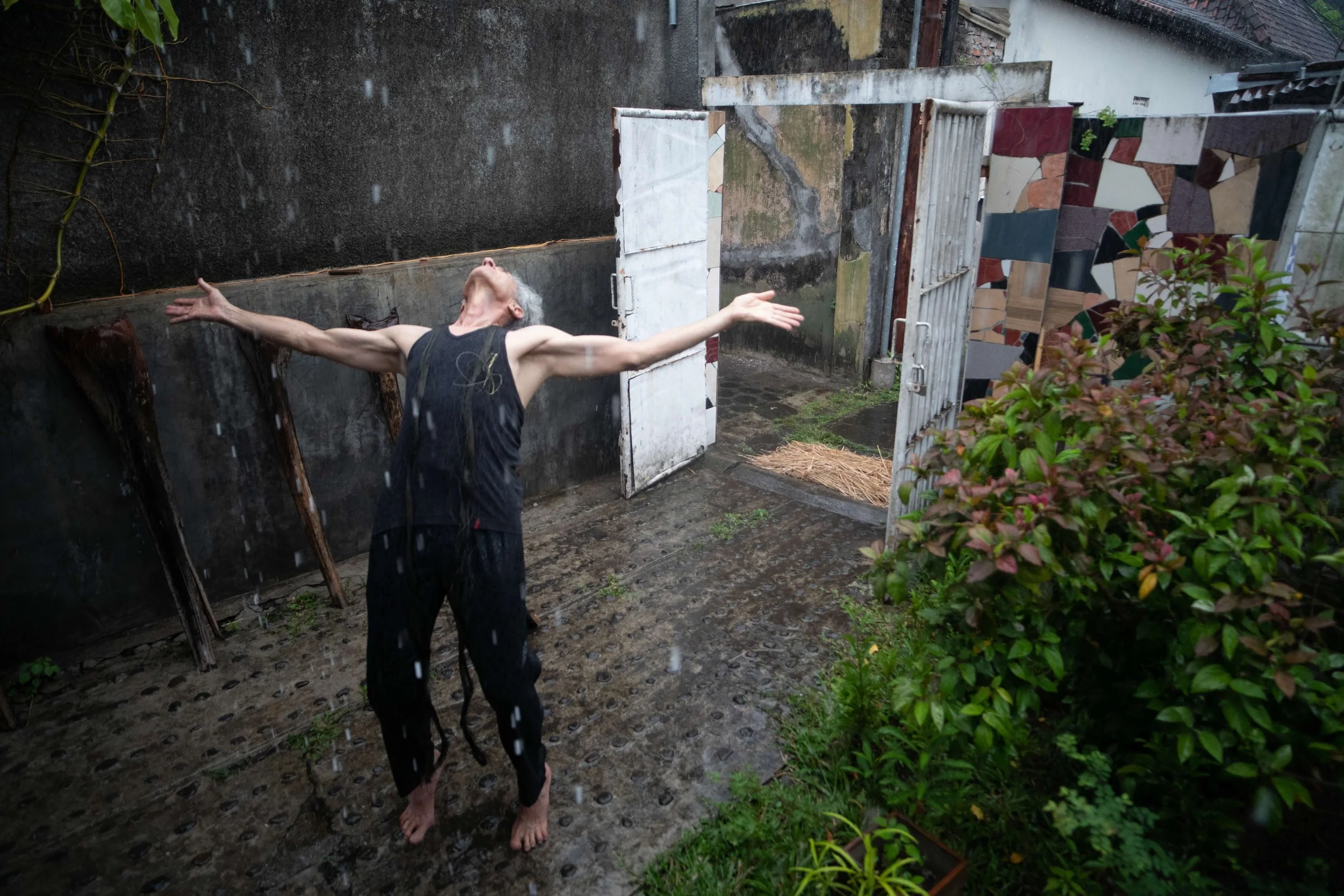
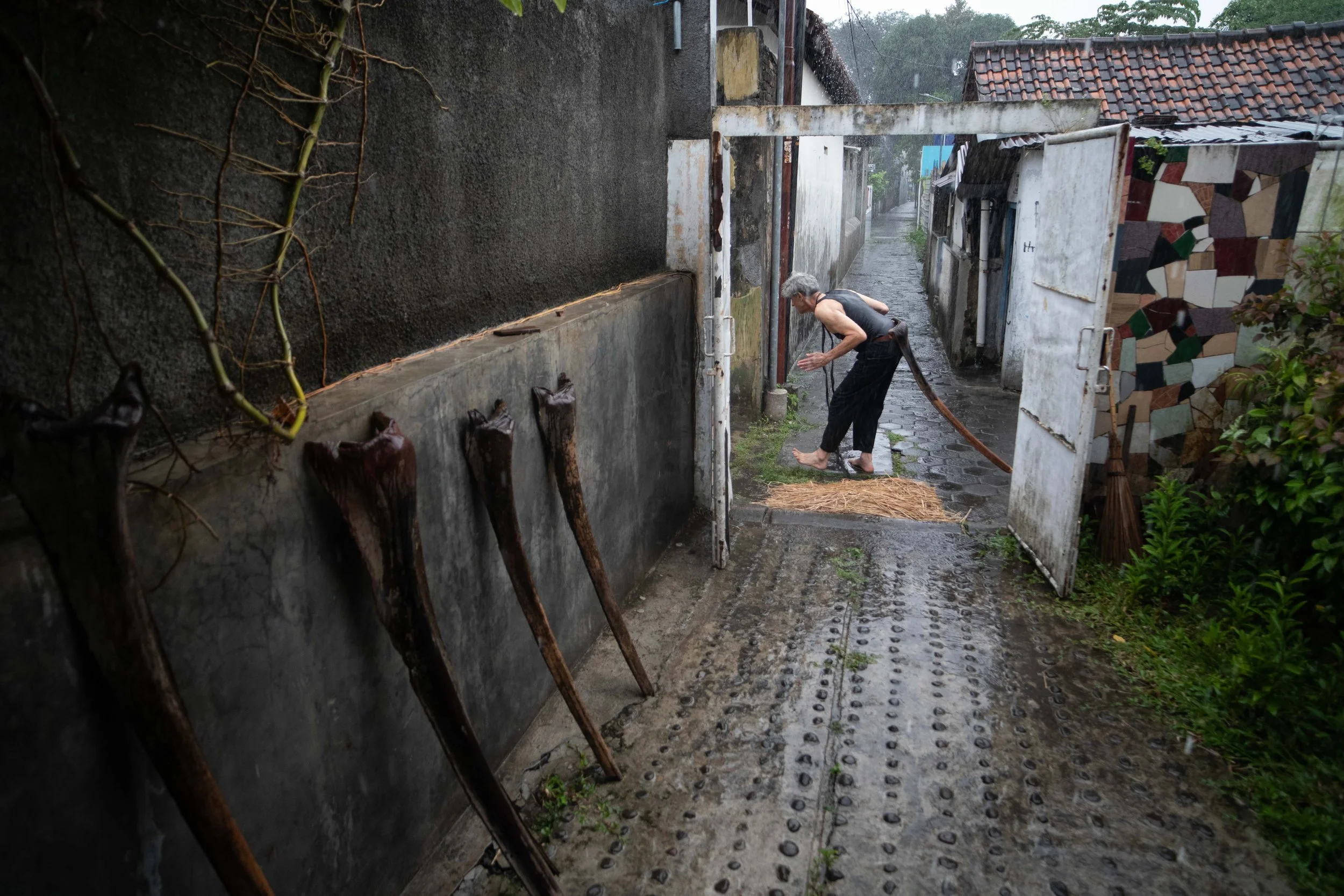
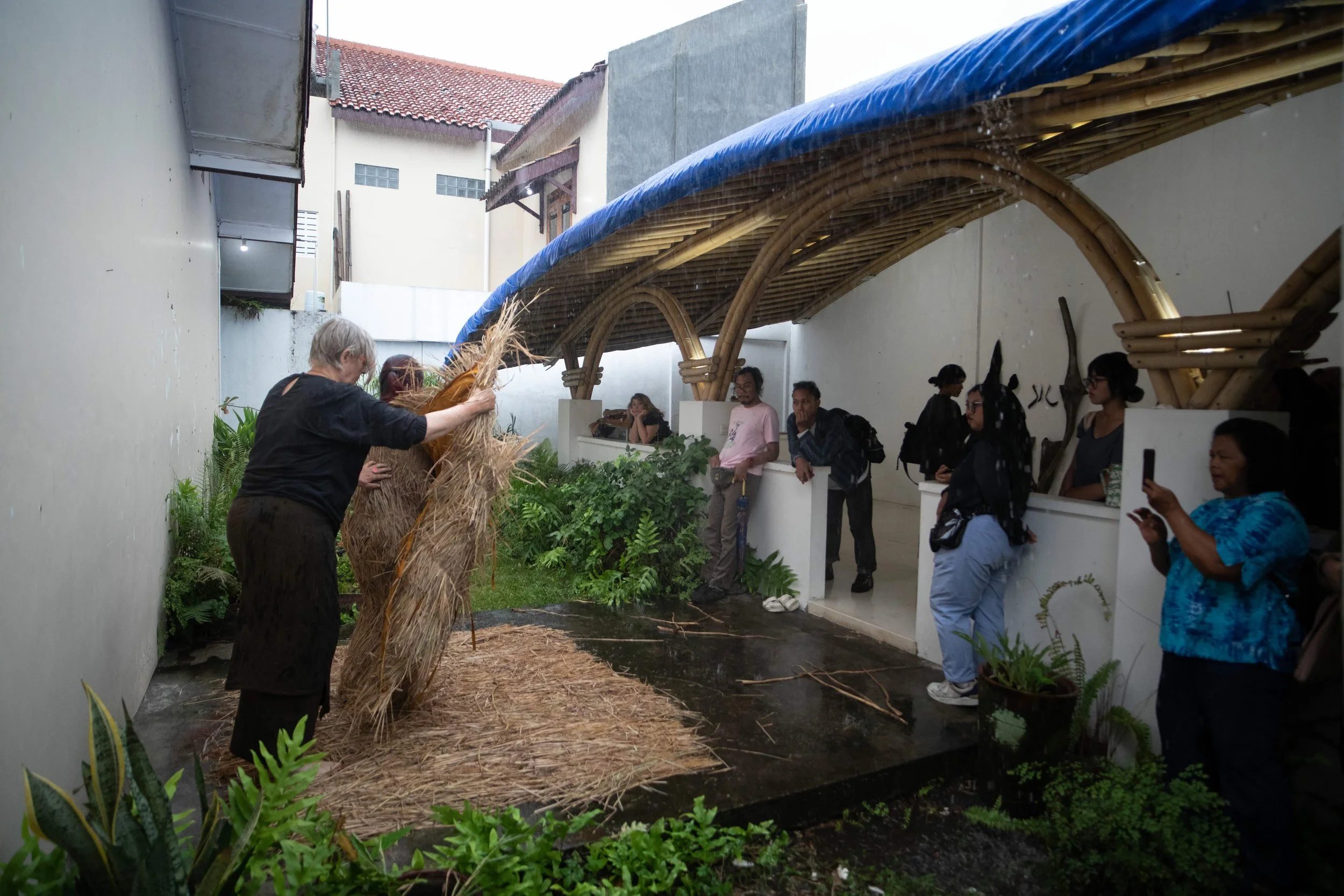
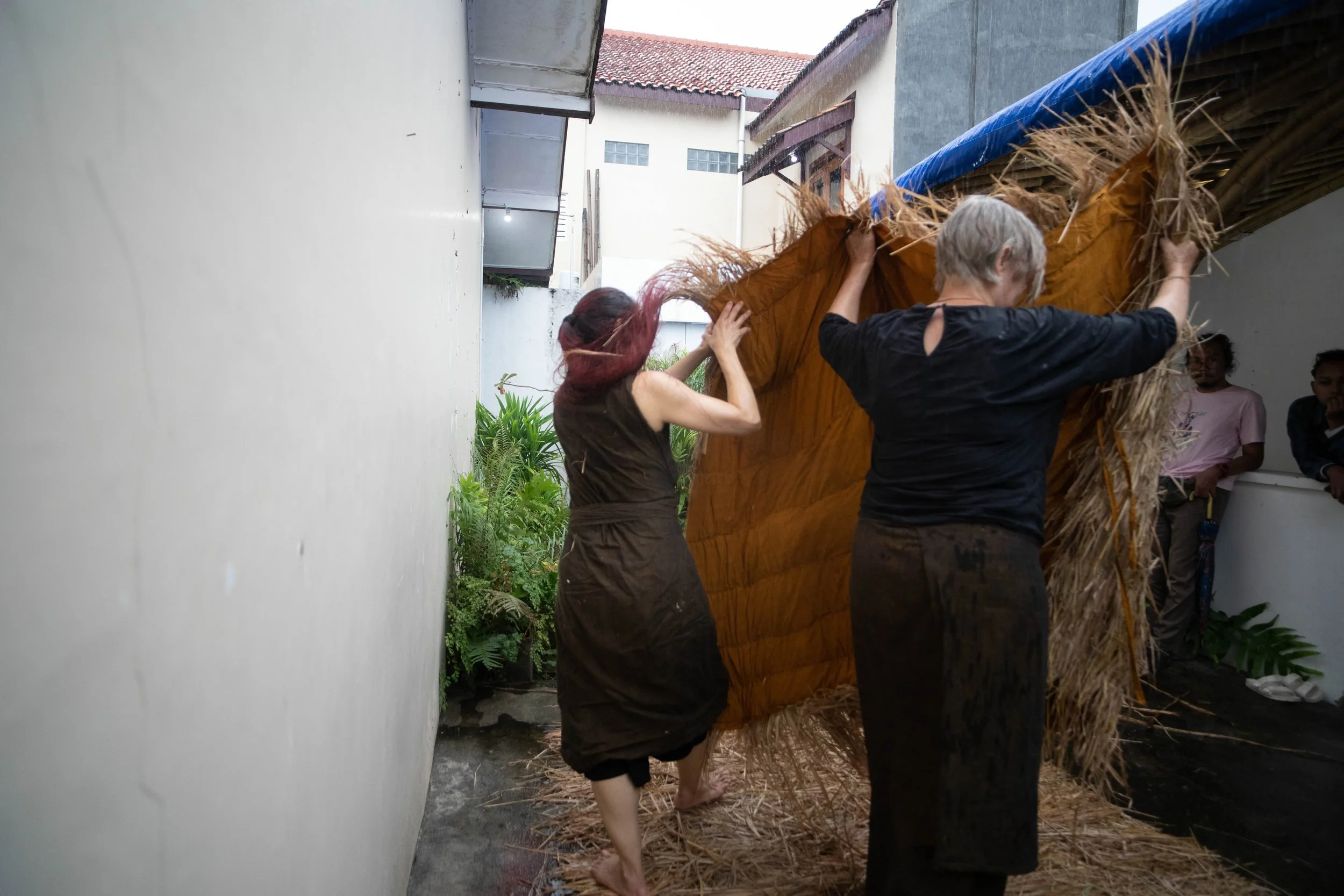
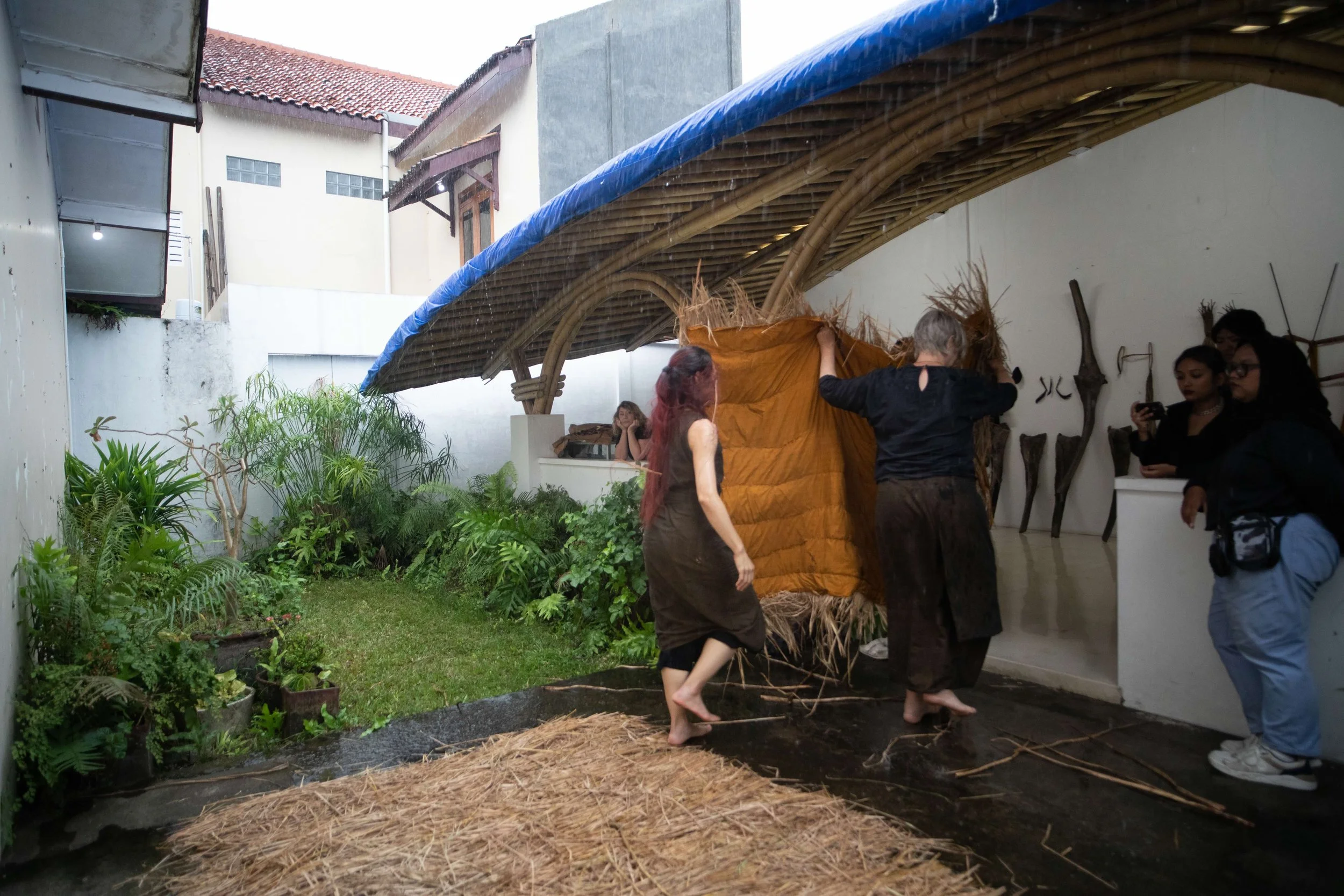
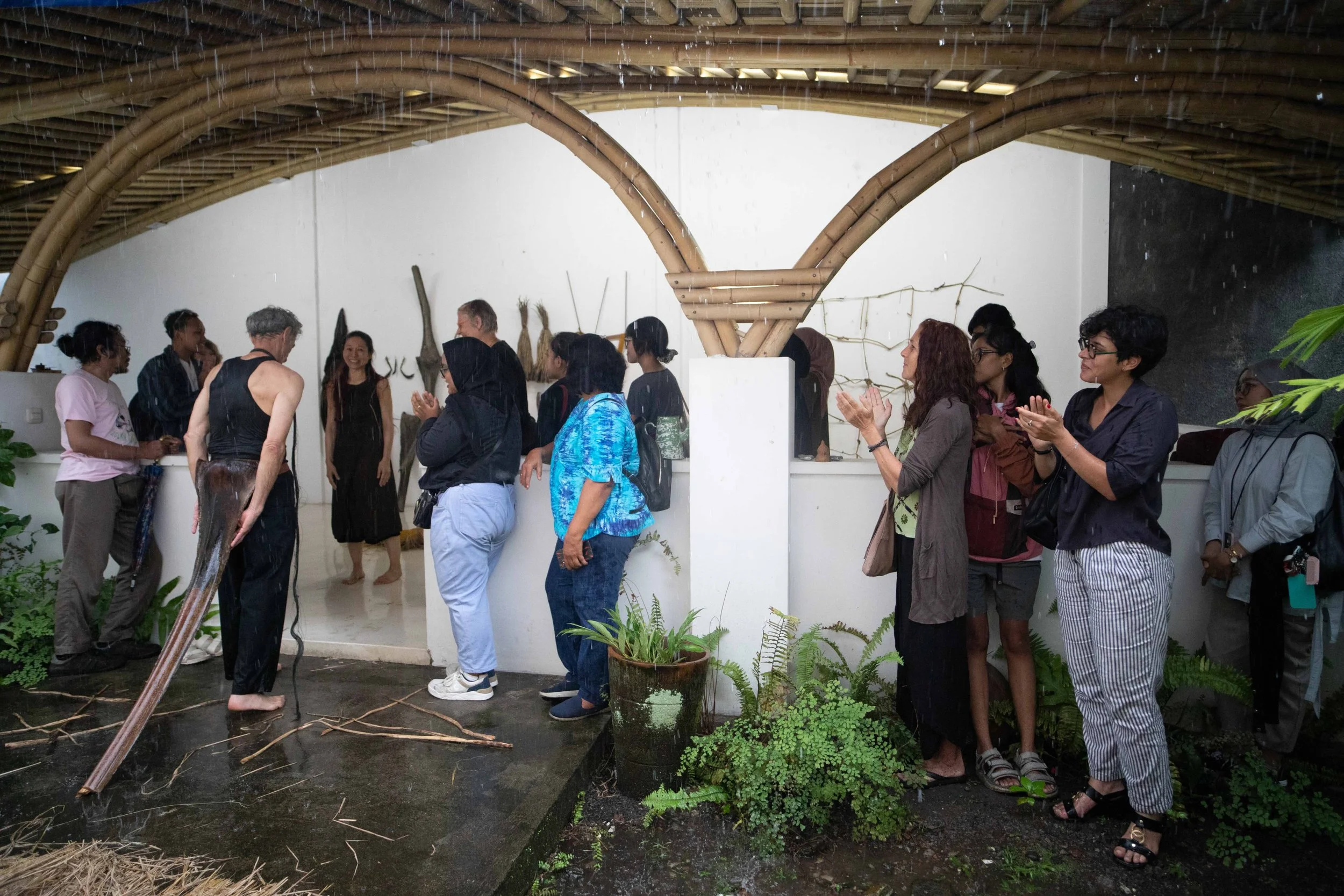
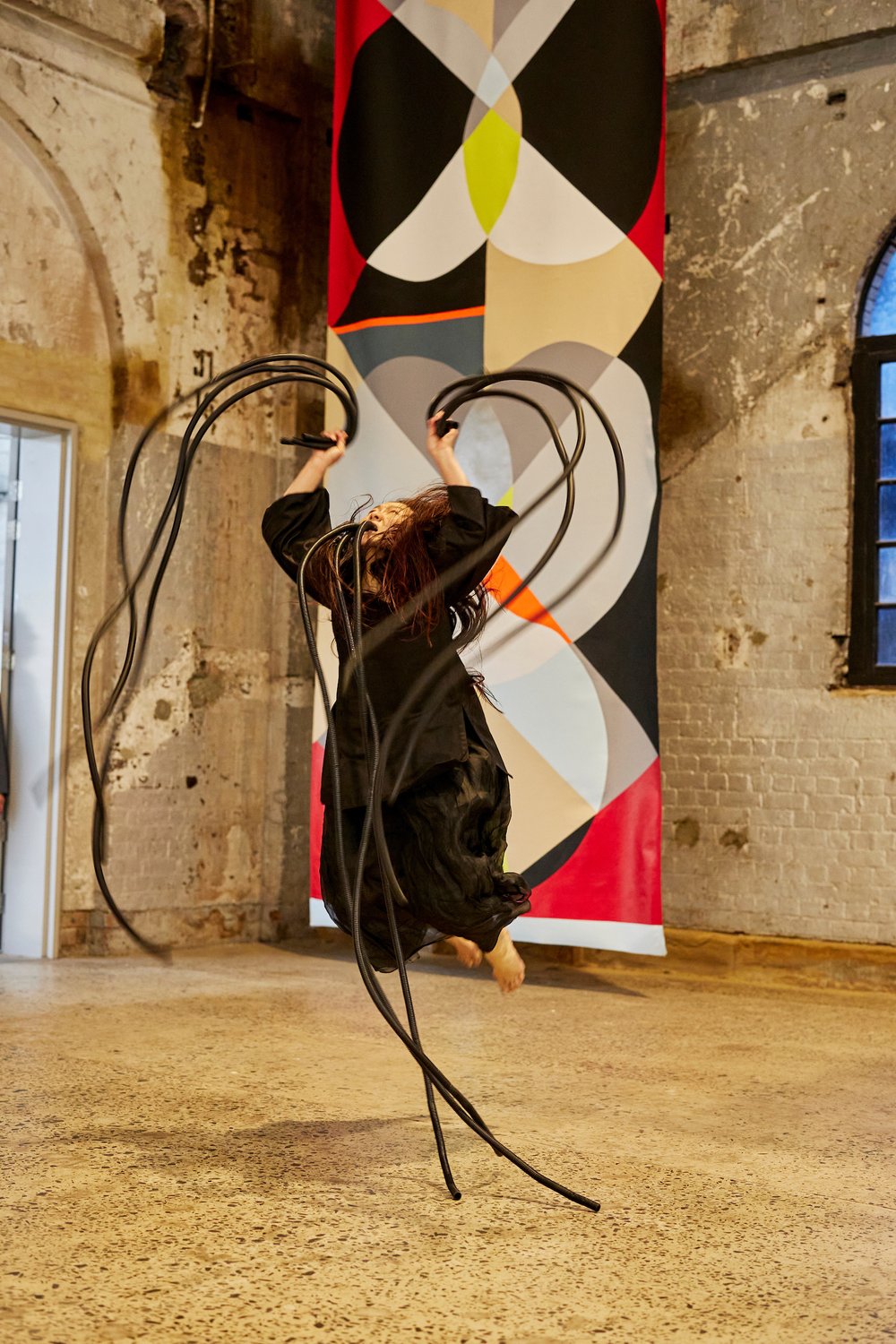
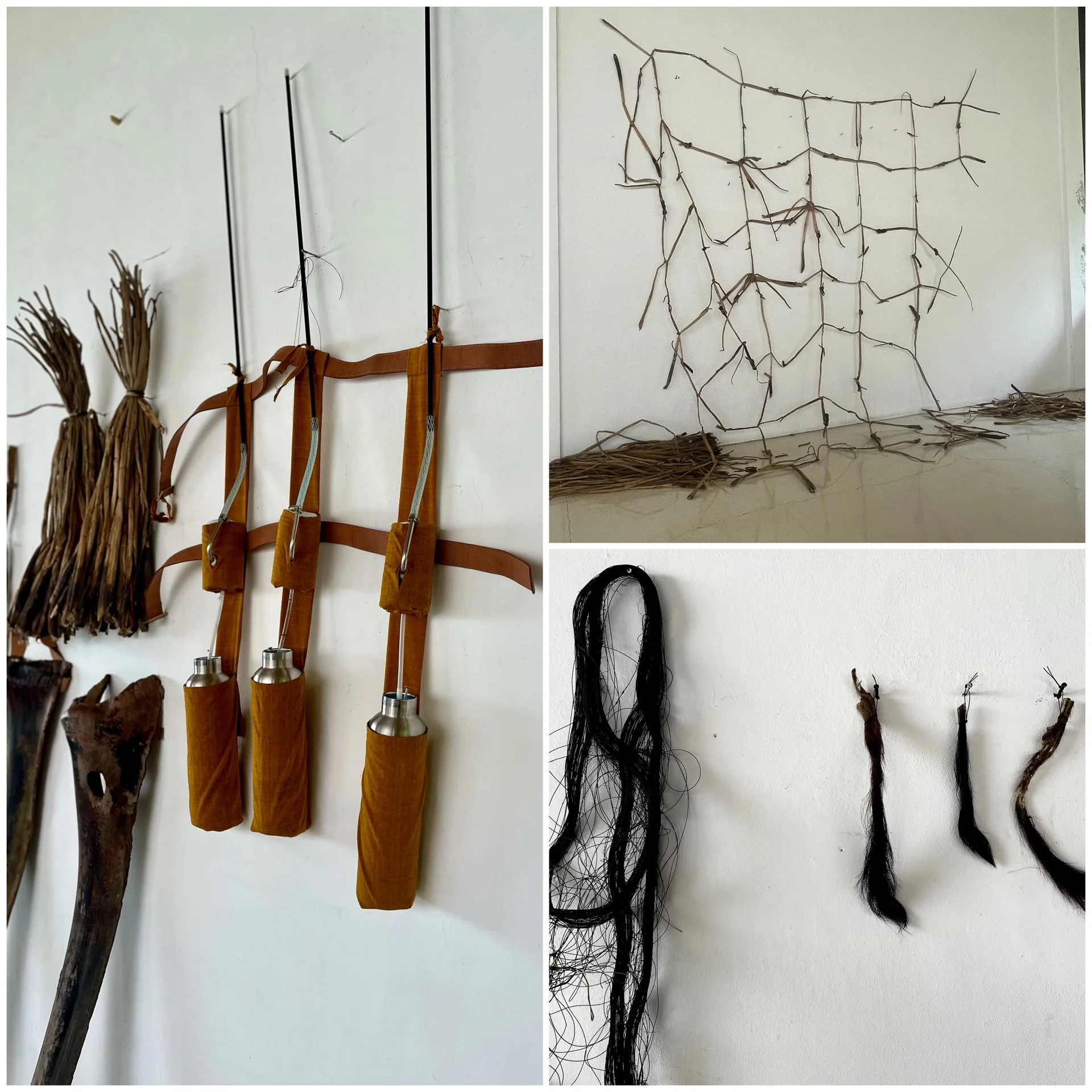
Performance-Installation at Mella’s Studio
9 & 10 Jan 2026
-webpage-in-progress-
-webpage-in-progress-
Mella Jaarsma, Alan Schacher and I wanted to consolidate our collaborative relationship by working side by side, while extending the principle of walking-to-activate-memories with walkers who were residents of a given area. Mella suggested Bantul, a regency south of Yogyakarta city, resulting in our second project iteration, Memory Walks II . Our first research processes What Persists - Memory Walks were carried out in 2022 as part of a Social Choreographic Research project, with Mella working in Kaliurang village and Alan and I working in the Blue Mountains, supported by Critical Path. The original team consisted of Blue Mountains social researcher Phillip Mar and Yogyakarta social researcher and curator who is a Kaliurang local, Mira Asriningtyas.
Many, many thanks to our walker-participants:
Tuesday, 23/12/2025 Herli Setiawan, a local whose family has lived several generations in Cilangharjo, Pandak, Bantul.
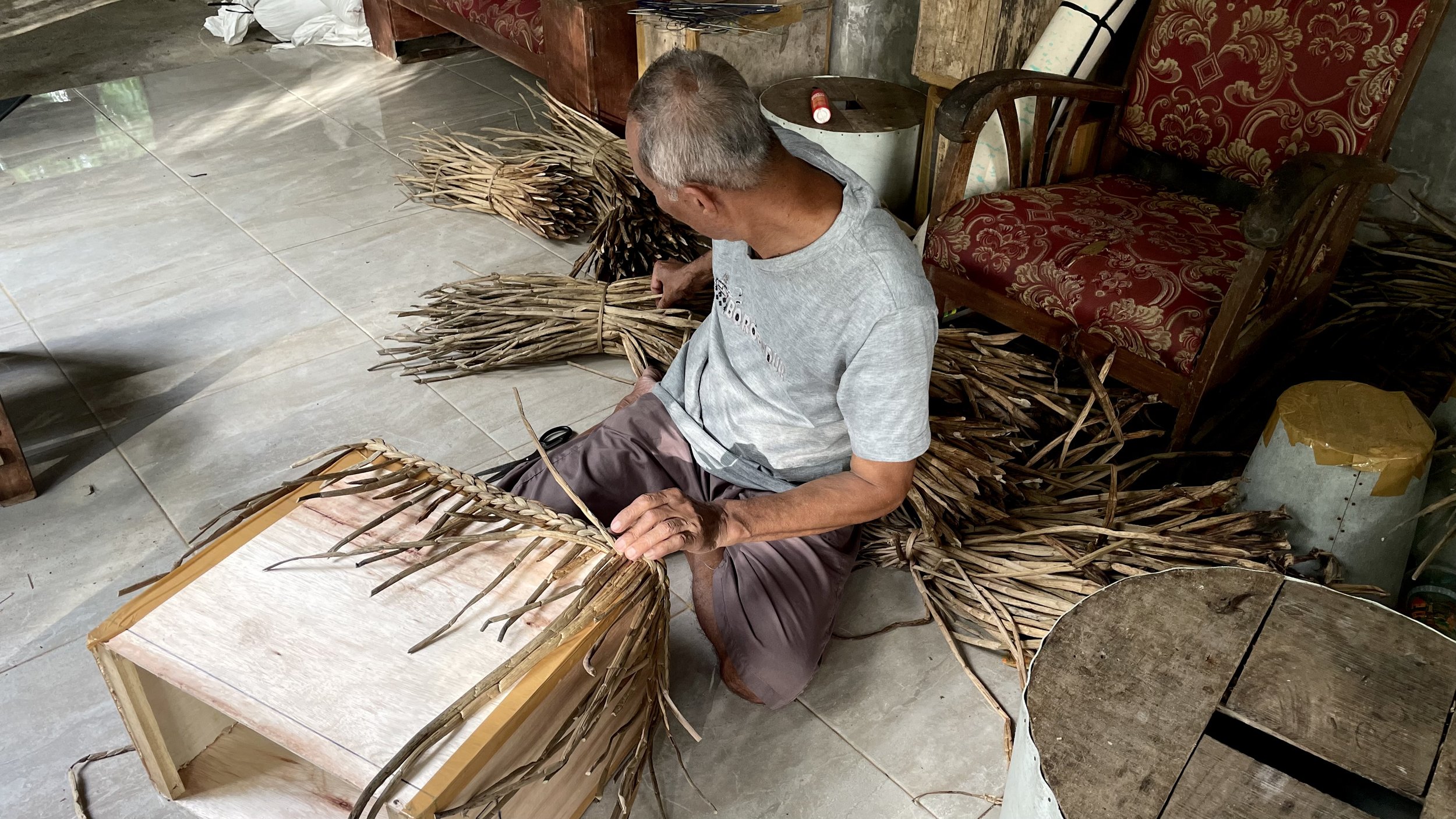
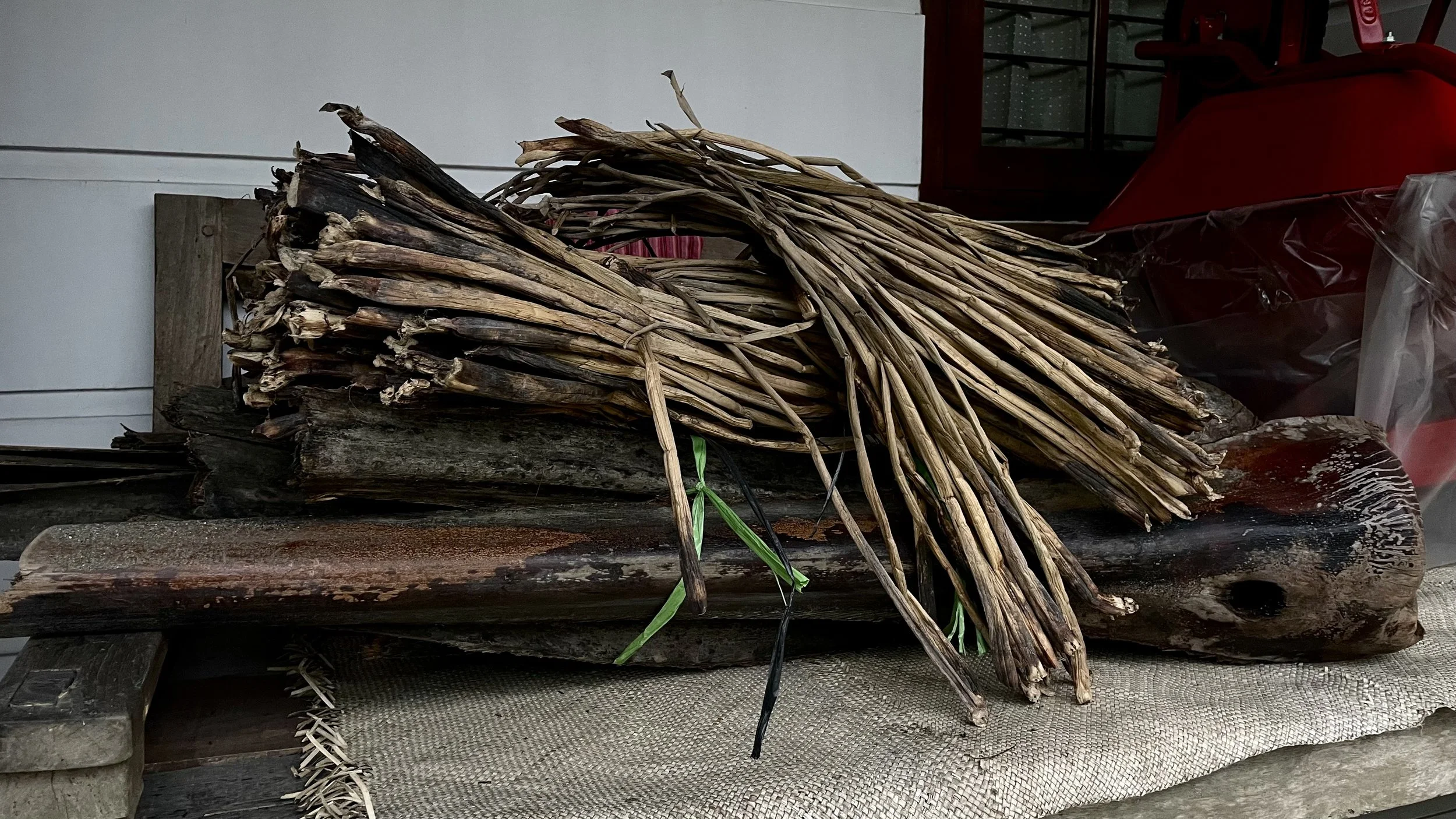
Monday, 29/12/2025 Anang Saptoto introduced us to Endra Saifudin who resides in Dusun Panjatan, Progo. Some members of this village are transitioning from rice-planting to the craft of weaving enceng gondok, the dried stems of water hyacinths using the ‘anyam’ technique.
Tuesday 30/12/2025 Mas Hendri from Desa Pucung, a village of wayang kulit makers.
Tuesday 6/1/2026 Erlis Kusuma Hati, Wilda Monica Mukti & Latifa Nilamsari from Dusun Priyan.
Some thoughts
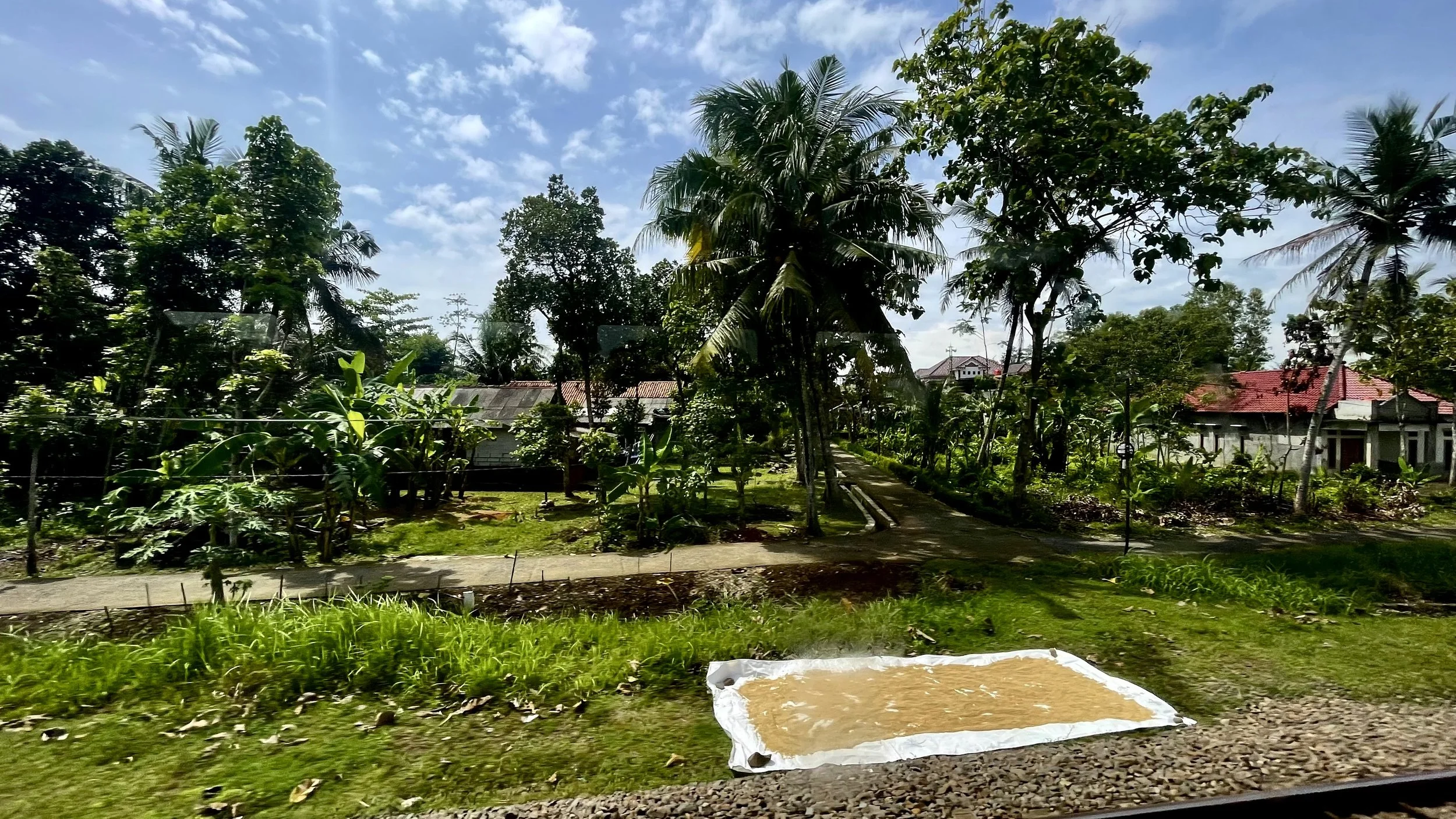
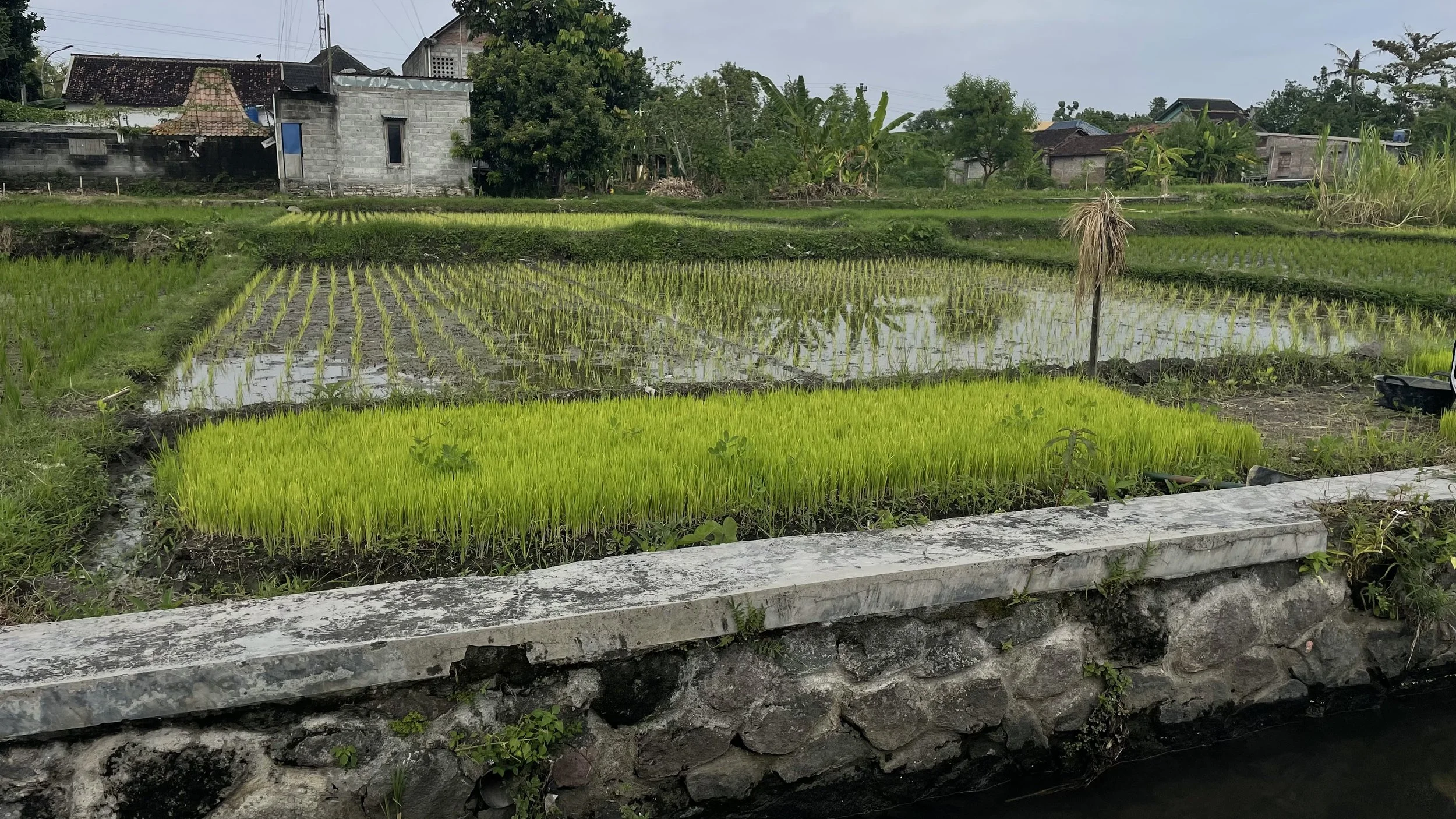
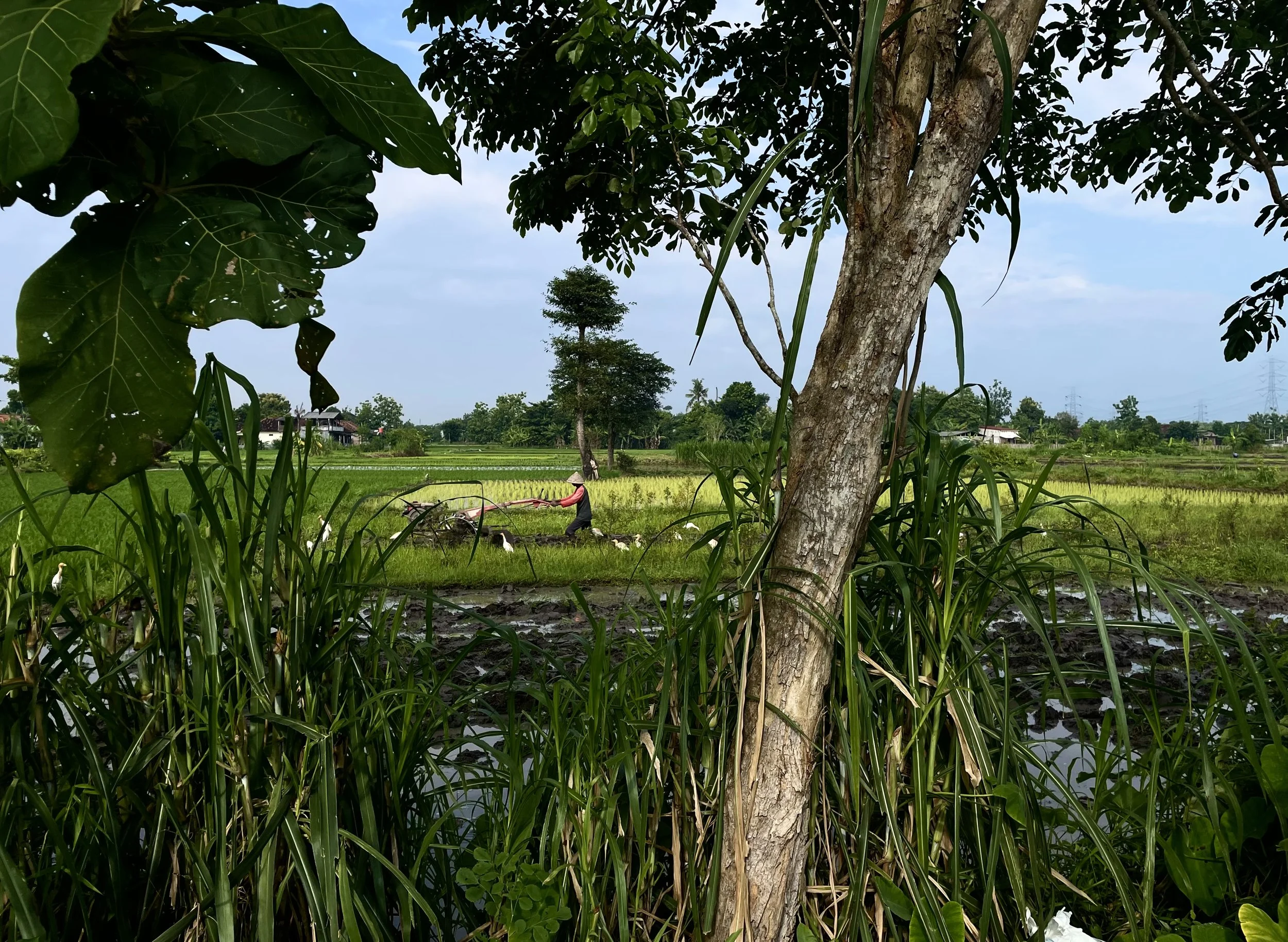
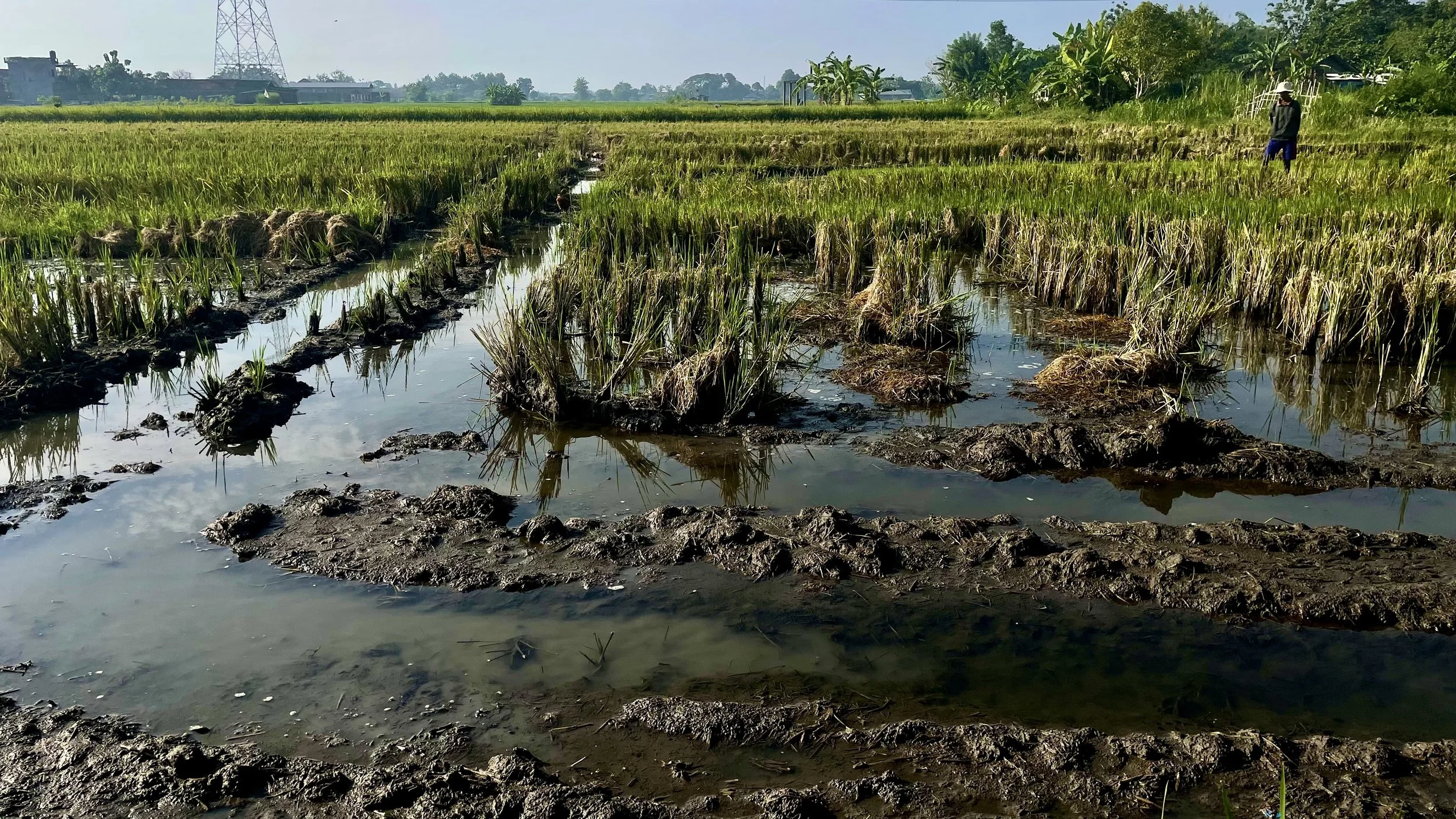
I find it difficult to ignore how communities negotiate livelihood and sociocultural complexity through the materiality of rice and its production, as in places like Bantul, Indonesia. It is sobering to witness how hard rice farmers and their families work. Rice is entangled with many aspects of “development,” including the shifting boundaries as rural areas become urban, and how irrigation infrastructure and road networks reconfigure access. There are the accompanying changes in ways of living and in relation to the money economy - a tempo of life calibrated to seasons, irrigation cycles and market calendars. I am repeatedly struck by the questions: How can one live? How does one live? There exists a sense of communal mutual aid during harvests, unpaid care woven around paid work — all of which sustain household subsistence while producing a commodity that will travel beyond the village.
Social relationships can be traced through the activities of livelihood — from tilling the land and the laborious production process, right through to the moment rice becomes an anonymous item on supermarket shelves or at markets. My reflections are also about my own ignorance of the realities and relationships that are created, maintained, enriched and ended through rice-planting, often carried across multiple generations. This physical practice is embedded in the broader sociocultural and historical contexts of much of Asia. There is, for example a connective thread which leads to the Bali’s Subak system as a thousand-year-old independent, water management associations. There may be Subak principles blended into Javanese customs, which may have been integrated into the state-led water management systems inherited from the 17th century Dutch era, in their current system of synchronised planting, secondary crop, water grains and Water User Associations.
Rice is deeply integrated in Indonesia’s daily consumption culture — and in much of Asia — with more than 90% of the population depending on it for sustenance and a large share of household budgets spent on rice. In 2023 Indonesia produced about 33 million tons of rice and imported 4 million tons. Population growth, land-use conversion, and shrinking agricultural areas make maintaining self-sufficiency increasingly difficult. (Figures from Indonesia International Rice Research Institute, 3/3/2026.)
Who are the growers? Do they own the land they work? How is labor shared within rice-farming communities? Who buys the farmers’ harvests? How involved is the government in the rice-planting system? How does the soil recover? Has rice ever been grown in ways that did not depend on medium- to large-scale irrigation systems on the lowland plains? Were terraced hills used to cultivate rain-fed rice? Has rice always been part of Indonesia’s staple diet?
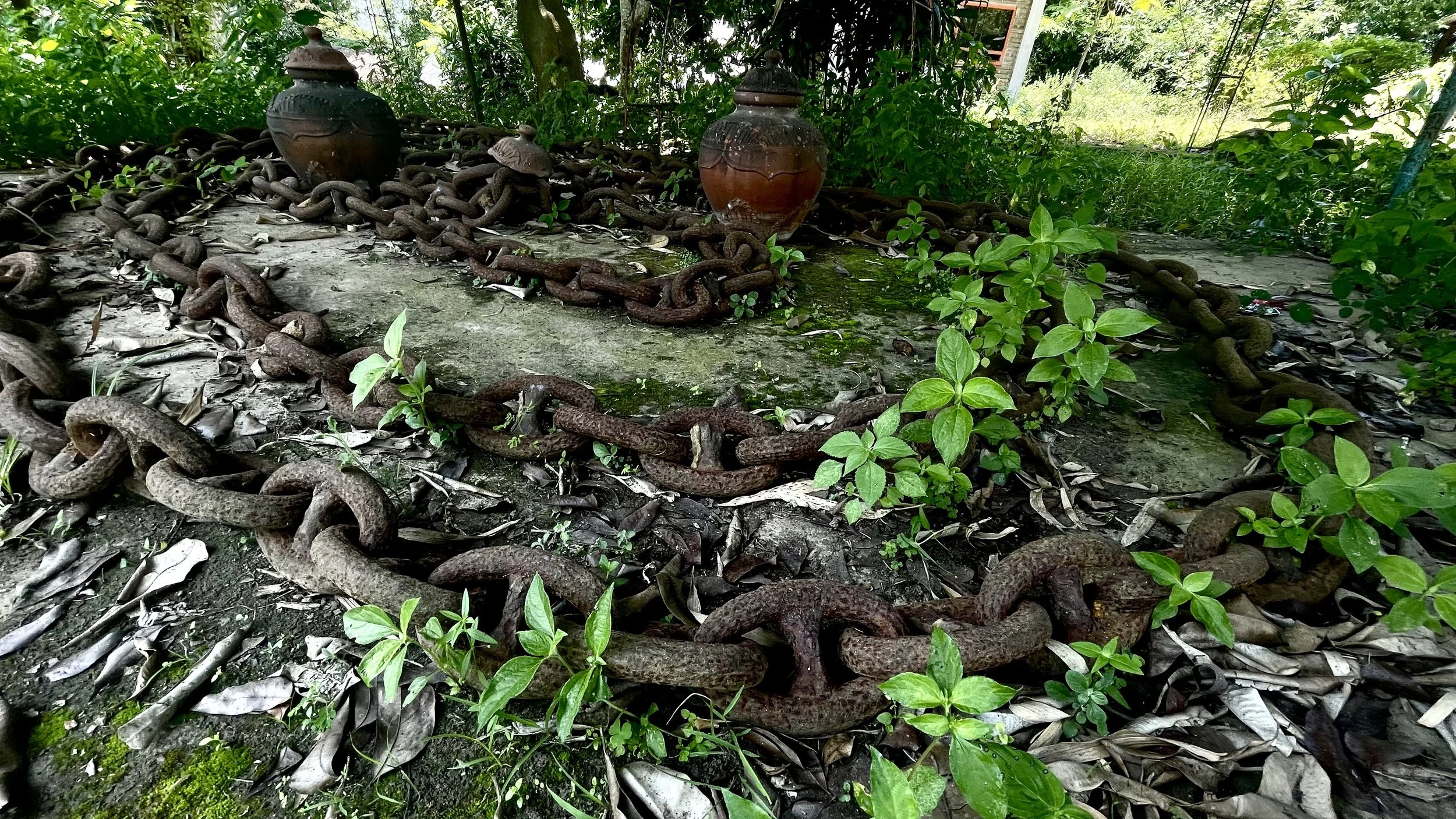
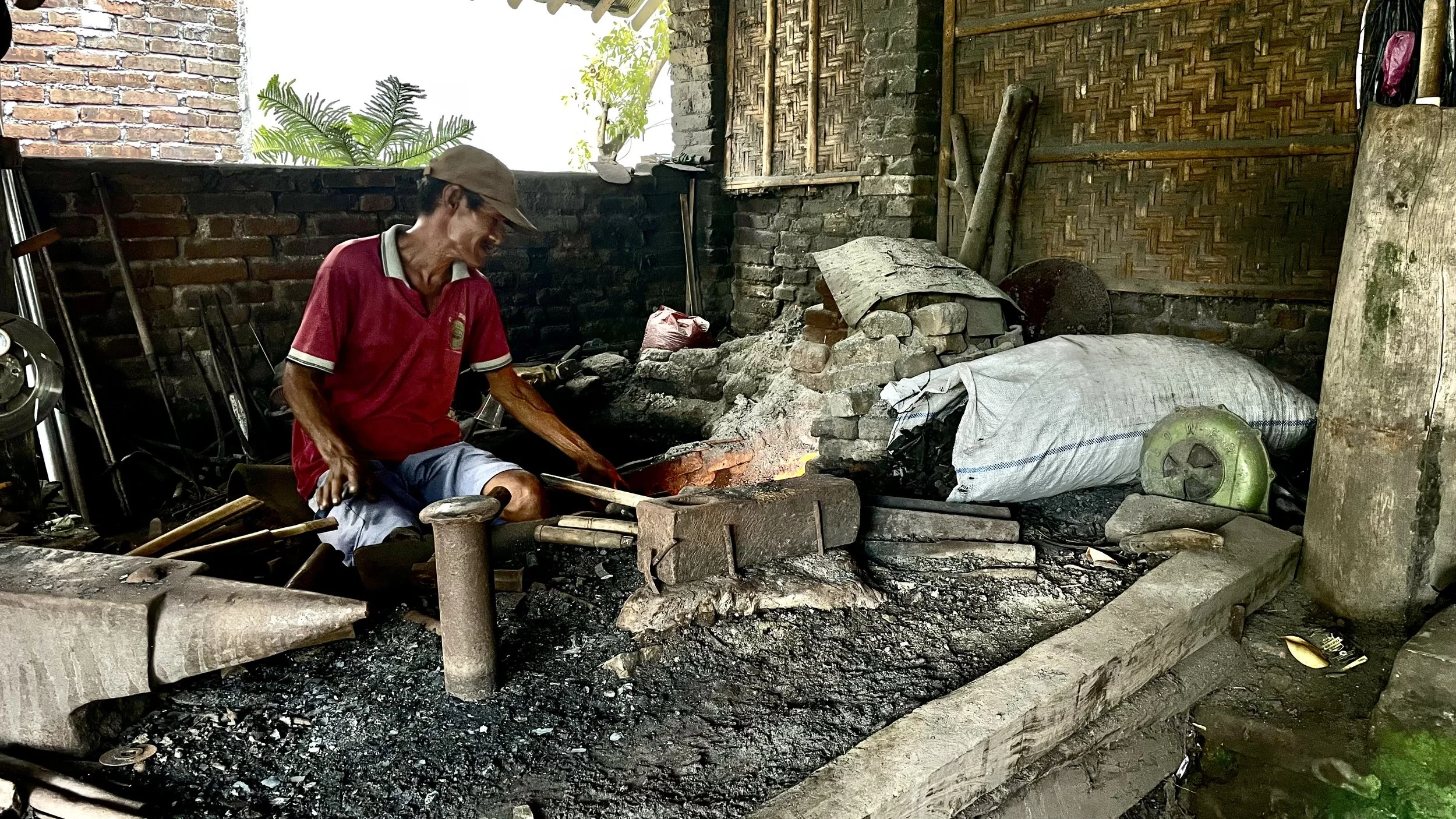
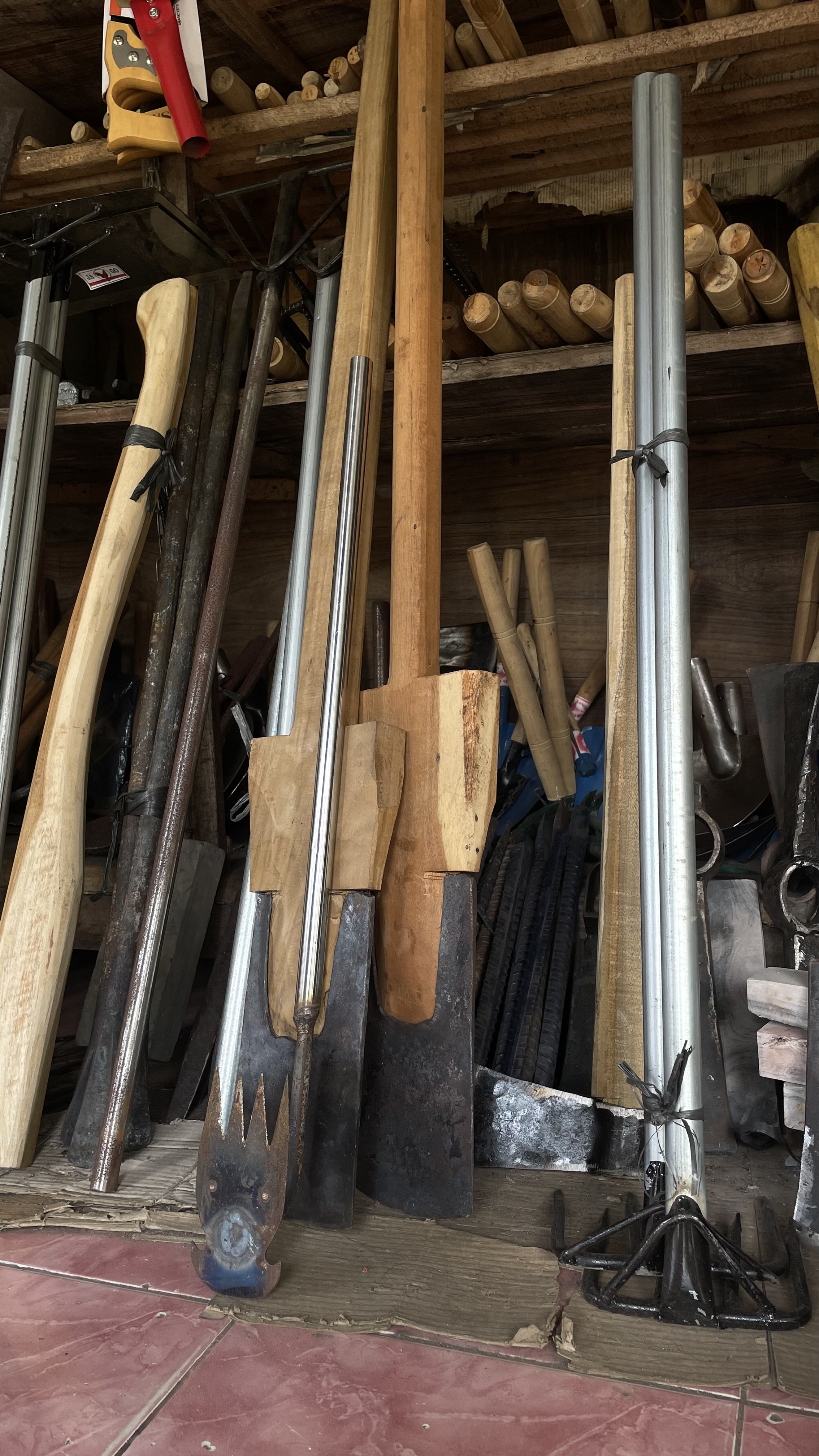
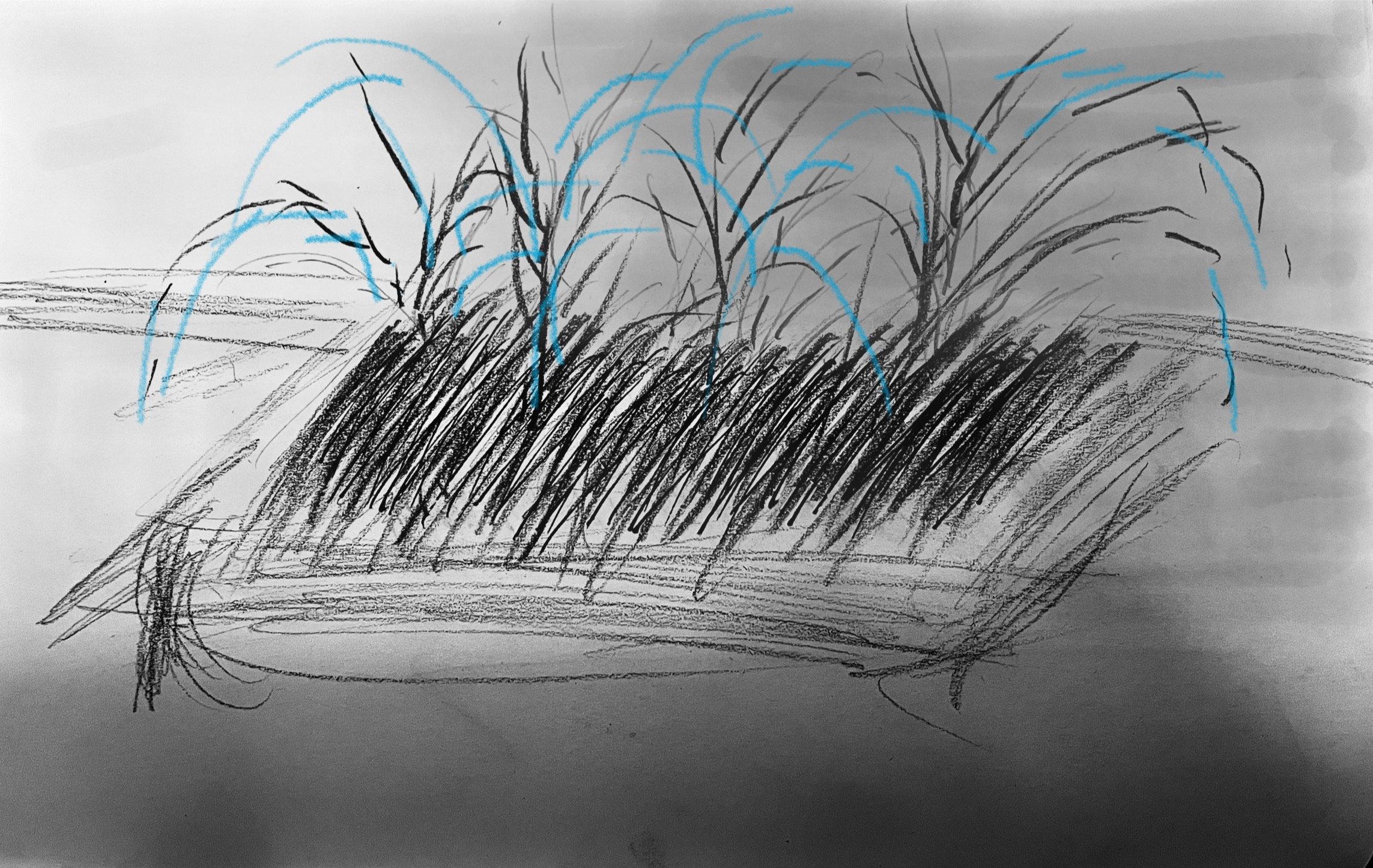
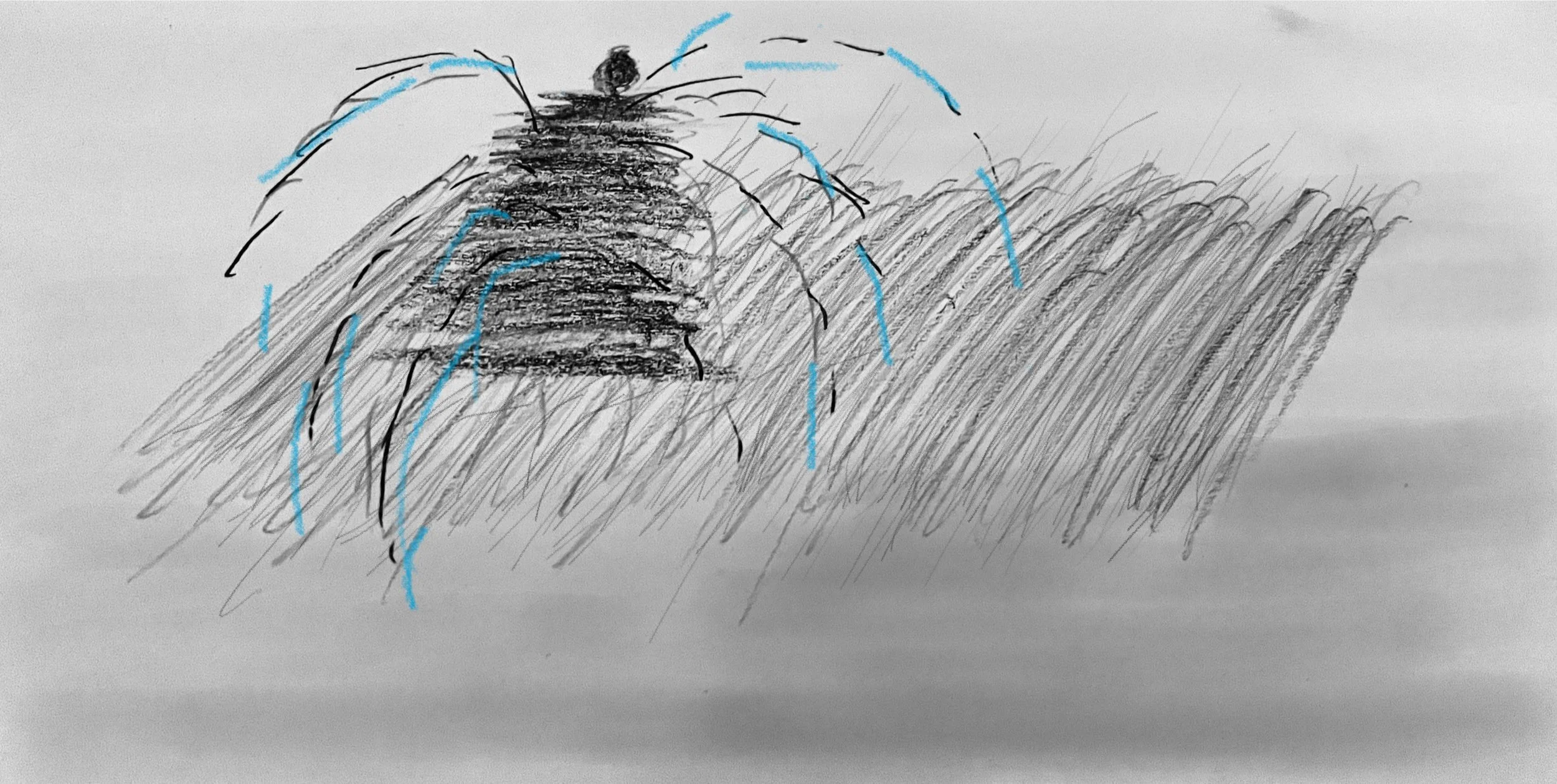
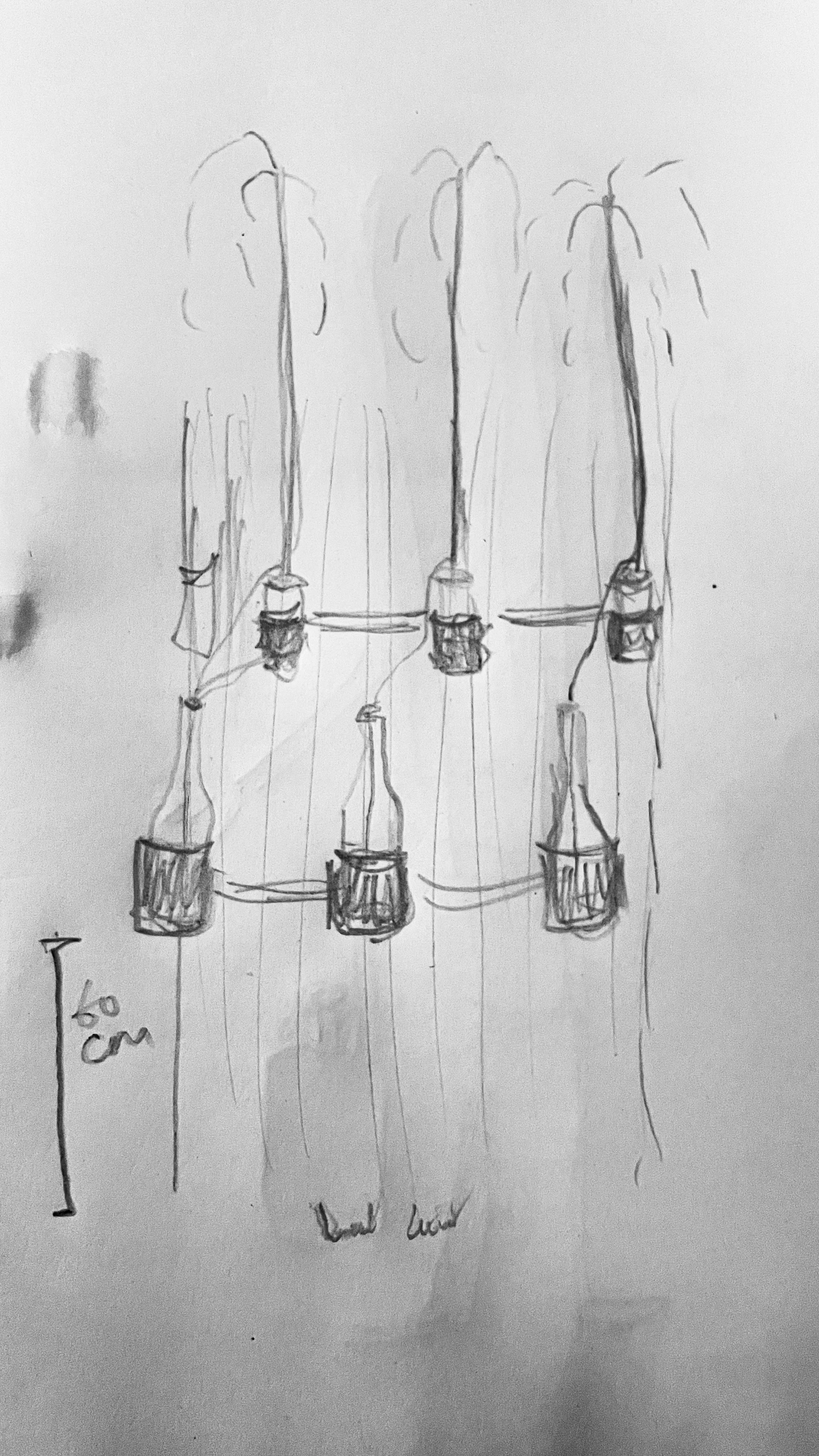
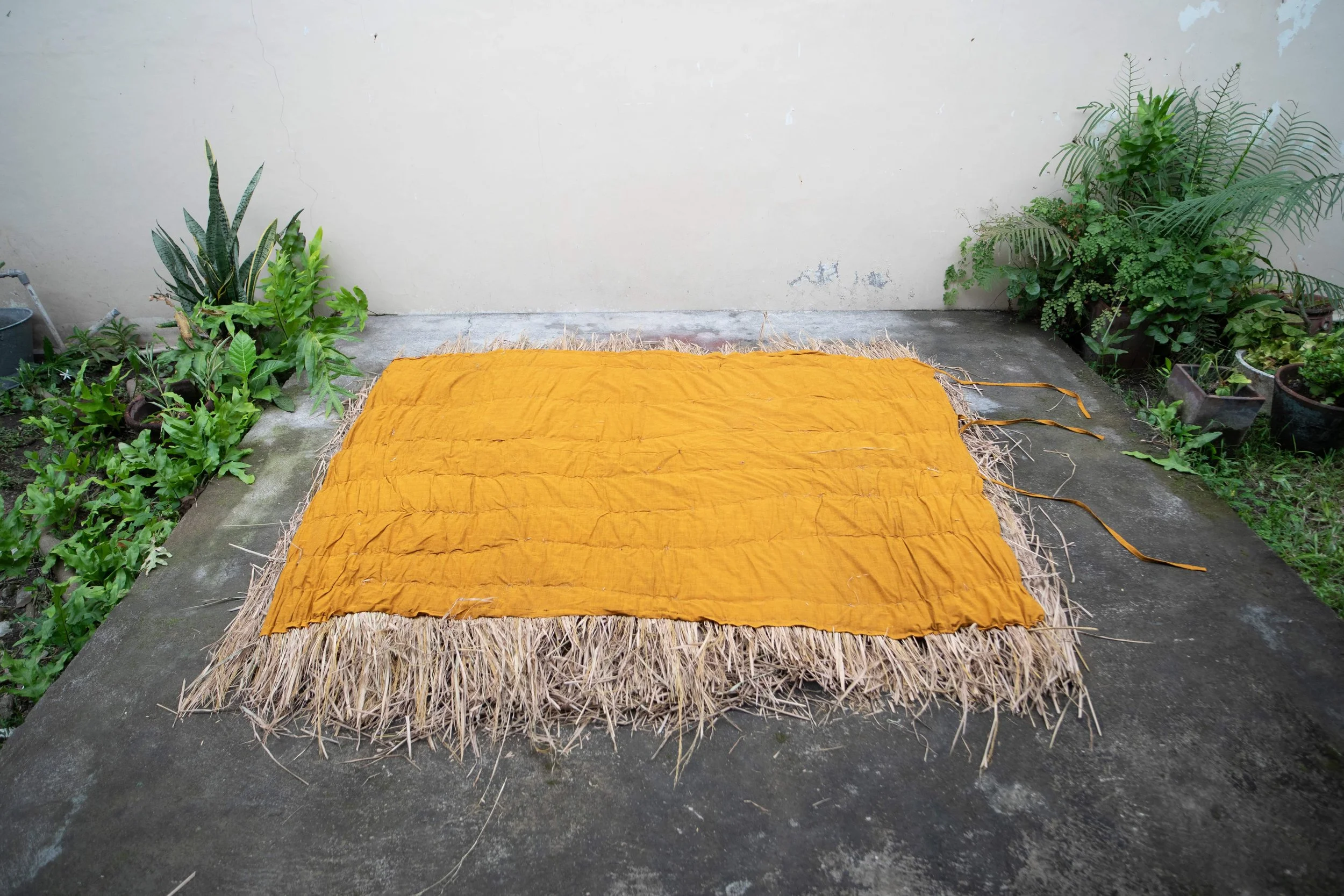
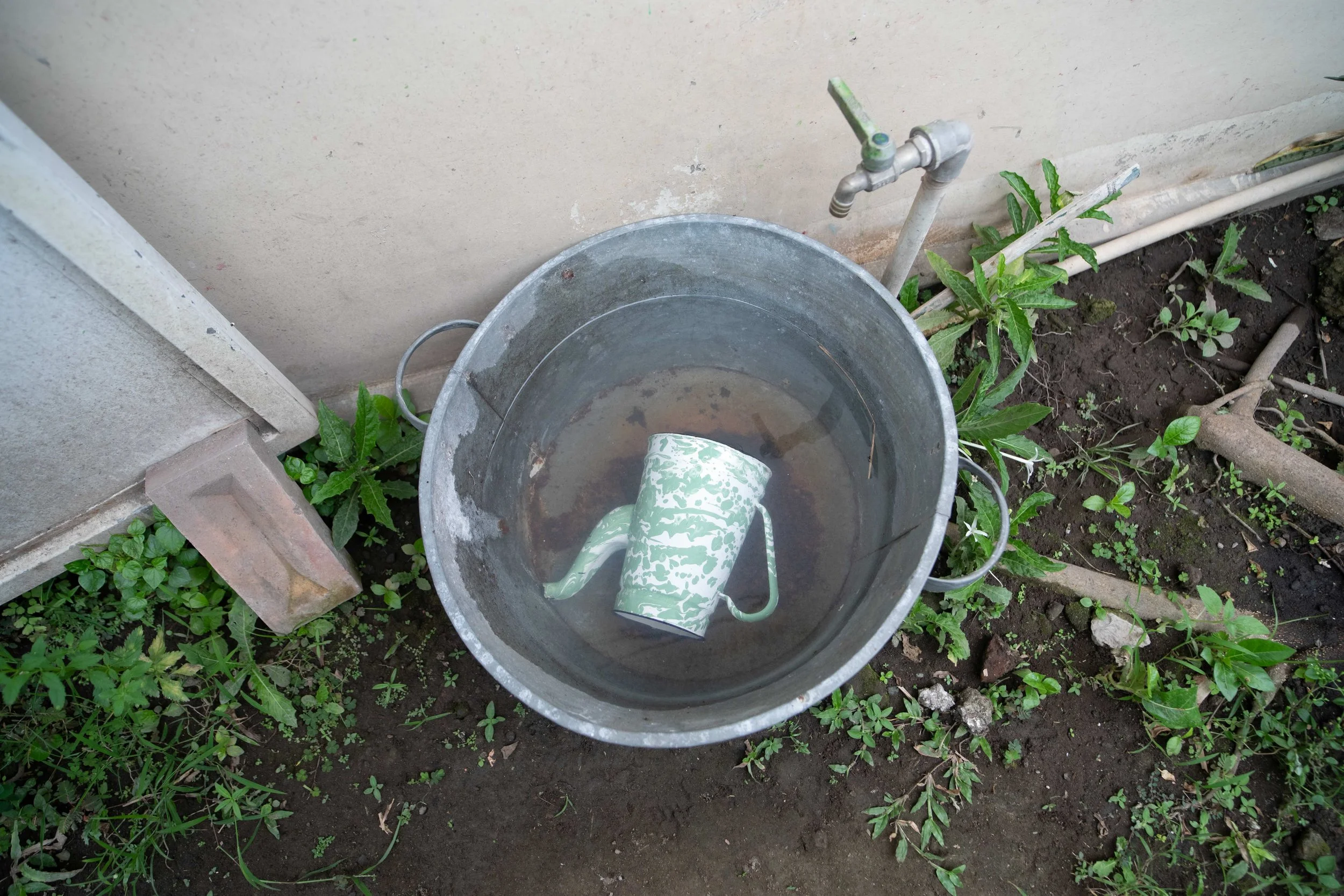
More photos with some of my journal sketches: